
Blooming
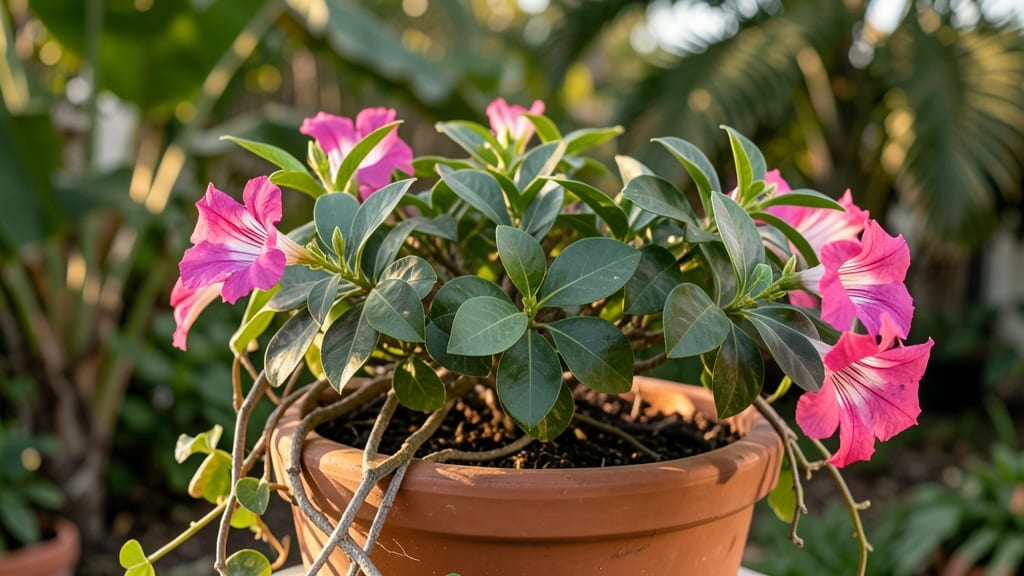
Your Mandevilla’s bloom time can stretch from spring through fall—or even into winter—with the right care, turning your patio into a year-round tropical paradise 🌸.
Most gardeners only see 2-3 months of color because they miss the 5-month cycle secrets hidden in light, temperature, and pruning. That’s the difference between a single summer burst of flowers and a cascading vine in full bloom for half the year.
In this guide, I’ll break down the science behind Mandevilla’s natural rhythm—how to extend blooms, trigger earlier flowers, and avoid the common mistakes that cut your display short. Whether you’re in USDA zones 9a-11 or pushing the limits in cooler climates, these strategies will keep your vine thriving.
You’ll learn the exact pruning schedule, fertilizer timing, and companion plants that maximize blooms, plus a seasonal checklist to ensure your Mandevilla stays vibrant longer than ever before.
Understanding the Mandevilla’s natural bloom cycle and how to extend it
If you’ve ever watched your Mandevilla vine burst into vibrant blooms for just a few months before fading, you’re not alone. Most gardeners assume these tropical beauties only shine from late spring to early fall, but with the right approach, you can double their bloom time.
The secret lies in understanding their natural cycle and how to gently nudge it into overtime.
The Mandevilla’s natural bloom cycle typically runs from May through September in most climates, but this can shrink to just 2-3 months if conditions aren’t ideal. In their native tropical habitats, they experience consistent warmth and daylight, which triggers continuous flowering.
When we bring them into temperate zones, their blooms often taper off as days shorten and temperatures drop.
Here’s the bloom cycle breakdown you need to know—plus how to extend it into winter or early spring:
| Season | Natural Bloom Phase | Key Conditions | Extending Blooms |
|---|---|---|---|
| Spring (Mar-May) | New growth, bud formation | 60-70°F, 6+ sun hours | Start balanced fertilizer (7-9-5) |
| Summer (Jun-Aug) | Peak blooming (5+ months possible) | 75-85°F, consistent moisture | Deadhead spent blooms, prune lightly |
| Fall (Sep-Nov) | Bloom slowdown, dormancy prep | 55-65°F, shorter days | Move indoors (60°F+), reduce water |
| Winter (Dec-Feb) | Dormancy (no blooms) | Below 50°F, minimal light | Provide grow lights (12+ hours), minimal care |
The biggest mistake gardeners make is assuming Mandevillas can’t handle cooler months. In reality, they’re semi-dormant in winter—not dead. With artificial light and stable temperatures, you can coax them back into blooming as early as February.
Think of it like giving your vine a tropical vacation indoors until spring arrives.
Light exposure is the #1 factor controlling bloom duration. Mandevillas need 6+ hours of direct sunlight daily to produce flowers, but too much afternoon sun in hot climates can scorch leaves.
If your vine is in a container, rotate it weekly so all sides get even light. For indoor plants, a south-facing window or grow lights can make all the difference.
Temperature control is equally critical. These plants thrive in 60-85°F ranges, but drops below 50°F trigger dormancy. If you live in USDA zones 8 or below, overwinter your Mandevilla in a garage or greenhouse with a space heater set to 55°F.
Avoid sudden temperature swings, which stress the plant and halt flower production.
Pruning plays a surprising role in extending blooms. Many gardeners prune too late in the season, cutting off potential blooms. Instead, prune lightly in early spring (just above a leaf node) to encourage new growth and buds.
Avoid heavy pruning after July, as this can delay fall blooms. For container plants, a quarterly trim keeps them compact and flowering.
Fertilizer timing is another game-changer. Most blooms fizzle out because gardeners stop feeding too soon. Use a balanced 7-9-5 NPK fertilizer every 4-6 weeks from spring through early fall.
Switch to a low-phosphorus formula (like 5-10-10) in late summer to promote root strength rather than just foliage. Over-fertilizing in winter can burn roots and prevent spring blooms.
Finally, watering habits directly impact bloom duration. Mandevillas hate wet feet but also dry spells. Water when the top inch of soil is dry, and always water at the base of the plant to avoid fungal issues.
In winter, reduce watering to every 2-3 weeks—overwatering is the #1 killer of dormant Mandevillas.
With these adjustments, you can transform your Mandevilla from a summer-only showstopper into a year-round bloomer. Start with just one technique—like adding grow lights or adjusting your pruning schedule—and watch your vine reward you with months of extra color. 🌸
5 Proven strategies to trigger earlier and longer Mandevilla blooms
Your Mandevilla can bloom for months longer than you think—if you follow these science-backed strategies. Most gardeners only see blooms from June to August, but with the right timing and care, you can extend that to May through October or even into early winter in warm climates.
The key lies in understanding how to stimulate new growth and encourage continuous flowering.
One of the biggest mistakes I see is over-pruning or skipping fertilizers at critical times. Your Mandevilla needs a balanced approach to light, nutrients, and water to keep producing those stunning 5-inch blooms.
Let’s break down the exact steps that will transform your plant from a one-season showstopper to a year-round star.
- 1 Prune for Rebloom
- 2 Fertilize on a Schedule
- 3 Adjust Watering for Blooms
- 4 Repot Strategically
- 5 Deadhead & Deadhead Again
Let’s start with pruning, which is your first step to triggering new blooms. Most gardeners prune their Mandevilla once in early spring, but that’s only half the battle.
To get longer bloom times, you need to prune twice a year: once in late winter (to encourage new growth) and again in mid-summer (to remove spent blooms and leggy stems). Use clean, sharp shears and cut just above a leaf node—this is where new buds will form.
Next, fertilizer timing makes all the difference. Your Mandevilla thrives on a 7-9-5 NPK ratio, but you must apply it at the right times. Start feeding in early spring (March) with a light application to wake up the roots, then switch to monthly feedings from May through September.
Avoid fertilizing in winter—this is when your plant enters dormancy, and extra nutrients can burn roots.
Watering is another critical factor most gardeners get wrong. While Mandevillas love moisture, overwatering can lead to root rot and dropped buds. Instead, water deeply every 2-3 days in summer (or when the top inch of soil feels dry) and reduce to once a week in fall.
Always water in the morning to prevent fungal issues, and use well-draining soil to keep roots happy.
If your Mandevilla has outgrown its pot, repotting can give it a bloom boost. Choose a container 2-3 inches larger than the current one and use a fast-draining mix with perlite or orchid bark.
The best time to repot is in early spring, right before the growing season kicks off. This gives roots time to establish before the bloom-heavy summer months.
Avoid these common mistakes that kill blooms: pruning after flowers appear, using high-nitrogen fertilizers, or letting the plant dry out completely. Instead, focus on consistent care, and your Mandevilla will reward you with months of vibrant color.
With these strategies, you’ll turn your patio into a non-stop floral display that neighbors will envy.