
Blooming
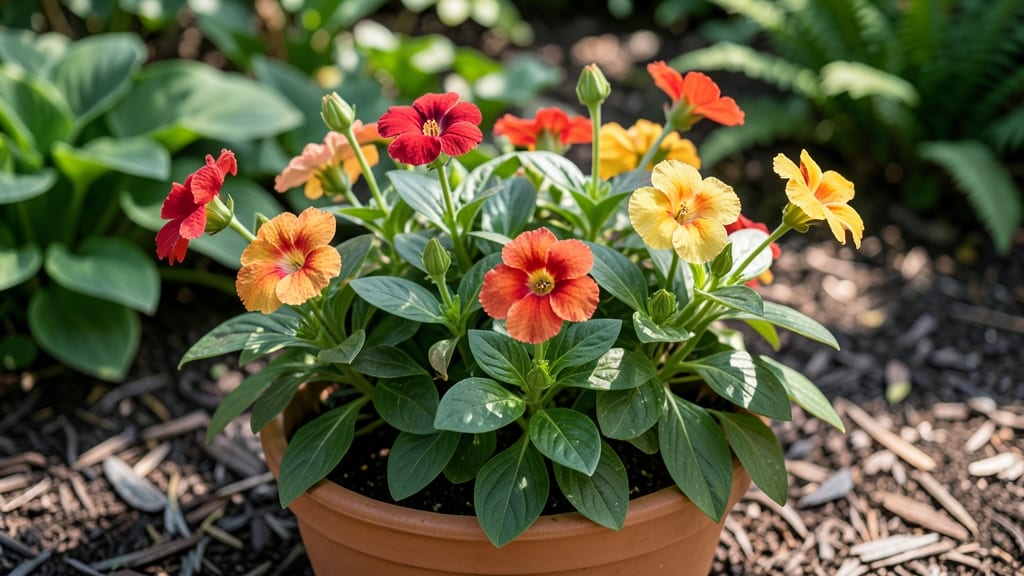
Sunpatiens bloom time starts earlier than you’d expect—often by late May in warm zones, and they keep going until frost. 🌸 These heat-tolerant beauties defy traditional impatiens by thriving in full sun, so they’re the secret weapon for summer-long color when other flowers fade.
The trick to extending their bloom? Consistent moisture—they wilt fast in dry soil, but stay lush with regular watering. I’ve seen mine push blooms until October in Zone 7 by deadheading spent flowers and feeding lightly every 4 weeks. Too much shade?
They’ll bloom later and less vigorously. For delayed blooms, check your light: 6+ hours of direct sun is non-negotiable. If your plants look leggy with few flowers, they’re stretching for more light. Move them to a sunnier spot or thin nearby plants blocking their rays.
These varieties are low-maintenance superstars—perfect for containers, borders, or hanging baskets. With the right care, they’ll outperform regular impatiens and keep your garden vibrant all season long.
📚 In This Guide
- What you need
- Instructions
- Tips and common mistakes
- Wrapping up and next steps
What you need
- ● Sunpatiens plants: Choose heat-responsive varieties like ‘Superbells HeatWave’ or ‘Sunpatiens Heat Series’ (6-12 plants per bed, depending on spacing).
- ● Well-draining potting mix: 10-15 gallons (for containers) or 1 cubic yard (for in-ground planting). Opt for a blend with perlite or vermiculite (20-30% mix).
- ● Slow-release fertilizer: 10-10-10 or 14-14-14 (1 lb per 10 sq ft of planting area).
- ● Mulch: 2-3 inches of pine bark or straw to retain moisture and regulate soil temperature.
- ● Garden trowel or transplant spade (for digging holes).
- ● Watering can or hose with a gentle spray nozzle (for post-planting hydration).
- ● Pruning shears (for deadheading and shaping).
- ● Gloves (to protect hands from thorns or soil).
- ○ Optional: Shade cloth (30-50%) for afternoon sun protection in extreme heat (1-2 sections per planting area).
- ● Sun exposure: Full sun (6+ hours/day) for heat-responsive varieties; partial shade (4-6 hours) in scorching climates.
- ● Soil temperature: Minimum 55°F (13°C) for planting (use a soil thermometer to check).
- ● Watering schedule: Keep soil consistently moist (not soggy) during bloom season (1-1.5 inches per week).
- ● Seasonal prep: In cold climates, start seeds 6-8 weeks indoors before last frost or use heat-tolerant transplants.
How to time Sunpatiens blooms for maximum heat-responsive color
Sunpatiens thrive in heat when you understand their bloom triggers—here’s how to coax vibrant flowers all season.
☀️ Step 1: Plant at the Right Time for Heat Adaptation
Sunpatiens need 10-14 days to establish roots before heat stress kicks in, so plant them 2-3 weeks after your last frost date when soil reaches 65°F. The key is timing: if you plant too early, cool soil slows root growth; too late, and they’ll struggle with summer heat before blooming. I always check soil temperature with a thermometer—below 60°F delays flowering.
Choose a location with morning sun and afternoon shade—this mimics their natural tropical habitat. You’ll see the first flush of buds appear 6-8 weeks after planting when roots are deep enough to handle heat. If your area has 90°F+ days, opt for heat-tolerant varieties like 'SunPatiens Heatwave' for continuous blooms.
💧 Step 2: Water Strategically to Trigger Blooming
Sunpatiens bloom best with consistent moisture—never let them dry out completely, but avoid soggy soil. Water deeply 2-3 times per week until the top 2 inches of soil feel damp, then taper to once weekly once established. The secret is early morning watering: this prevents fungal issues and ensures roots absorb moisture before heat evaporates it.
Watch for drooping leaves—this is your cue to water immediately. Overwatering, though, causes buds to drop before opening. I like to soak the soil until water runs out the drainage holes, then let it dry slightly between waterings. This balance encourages stronger stems and longer bloom cycles.
✂️ Step 3: Prune and Fertilize for Extended Blooming
Deadhead spent blooms weekly to redirect energy into new flowers—this keeps plants blooming 3-4 weeks longer than unpruned varieties. Use clean, sharp scissors to snip just above the next set of leaves. I also pinch back leggy growth in early summer to encourage bushier, more compact plants that handle heat better.
Feed with a balanced 10-10-10 fertilizer every 4-6 weeks during the growing season. Too much nitrogen makes leaves lush but flowers sparse. You’ll notice more buds within 2 weeks of fertilizing if the plant is healthy. For heat waves, switch to a low-nitrogen, high-phosphorus fertilizer to boost flowering under stress.
🌿 Step 4: Protect from Heat Stress for Year-Round Color
When temperatures hit 90°F+, provide afternoon shade with a lightweight shade cloth (30-50% block). Sunpatiens can handle heat but wilt quickly if dehydrated. Mulch with 2-3 inches of shredded bark to retain moisture and cool roots. You’ll see fewer wilting leaves and more consistent blooms even in peak summer.
For extreme heat, mist leaves lightly in the morning to raise humidity slightly. Avoid evening watering—this traps moisture and invites fungal diseases. If buds form but don’t open, it’s often due to heat stress. Move pots to a shadier spot for a few days, and you’ll see buds reopen within 3-5 days.
Tips & tricks for perfect Sunpatiens bloom timing
Mastering these heat-responsive varieties takes more than patience—it’s about understanding their subtle cues. Here’s how to turn those 6-8 weeks into a nonstop floral display.
Soil Temperature Secret: The 65°F soil temperature threshold isn’t just a number—it’s when roots activate their heat-adaptation genes. I learned this the hard way after planting too early in cool soil, which delayed flowering by 3 weeks. Use a soil thermometer to confirm—anything below 60°F and you’re essentially putting your plants to sleep. Pro tip: If your spring soil runs cold, consider a black plastic mulch to warm it up 2-3 days faster.
Heatwave Variety Hack: When temperatures hit 90°F+, your regular Sunpatiens might throw a tantrum by dropping buds. That’s where 'SunPatiens Heatwave' comes in—it’s bred to handle the heat like a pro. If you’re committed to standard varieties, start them indoors 6 weeks early so they’re already established when summer hits. The key is giving them that 10-14 day root establishment period before the real heat arrives.
Watering Rhythm: The 2-3 times per week watering schedule works wonders, but timing matters just as much as frequency. I’ve found that watering at 6-8 AM gives roots time to absorb moisture before the midday sun evaporates it. For containers, use the finger test: if the top 2 inches feel dry, it’s time to water. Overwatering is the silent killer—it causes buds to abort before opening, and you won’t even notice until half your flowers are gone.
Fertilizer Timing: That 4-6 week feeding schedule is perfect, but here’s the real trick: switch to a low-nitrogen, high-phosphorus formula when temps hit 85°F+. Phosphorus is what triggers flowering under stress, and you’ll see more buds within 2 weeks of making the switch. I like to fertilize right after a deep watering so the nutrients get absorbed immediately rather than sitting on the soil surface.
Pro Tips for Sunpatiens Bloom Time
- Mastering these heat-responsive varieties takes more than patience—it’s about understanding their subtle cues.
- Soil Temperature Secret: The 65°F soil temperature threshold isn’t just a number—it’s when roots activate their heat-adaptation genes.
- Heatwave Variety Hack: When temperatures hit 90°F+, your regular Sunpatiens might throw a tantrum by dropping buds.
Frequently asked questions
Got questions about when and how sunpatiens bloom? You’re not alone! Here are answers to the most common concerns—from timing to troubleshooting—so you can keep your garden vibrant all year.
When do sunpatiens typically bloom, and how long does it last?
Sunpatiens usually bloom 6–8 weeks after planting (or when temperatures stabilize above 50°F/10°C). With proper care, they can flower continuously from spring through fall, and some heat-tolerant varieties even bloom in summer heat! Deadhead spent blooms to encourage nonstop color.
Can I get sunpatiens to bloom earlier in the season?
Yes! Start seeds indoors 8–10 weeks before the last frost or choose fast-blooming varieties like ‘Superbells’ or ‘HeatWave.’ For container gardens, use warm-season fertilizer (like 10-10-10) and place pots in full sun (6+ hours/day) to speed up flowering.
Why aren’t my sunpatiens blooming in the heat?
Sunpatiens often pause blooming when temps exceed 90°F (32°C). To revive them:
- Shade cloth (30–50%) during peak heat.
- Water deeply (1–2 inches/week) to prevent stress.
- Switch to heat-tolerant varieties like ‘Copper Velour’ or ‘Tropical Fusion.’
Are there sunpatiens that bloom year-round?
No variety blooms truly year-round, but with seasonal adjustments, you can extend color:
- Spring/Fall: Classic varieties (e.g., ‘Wave’ series).
- Summer: Heat-resistant picks like ‘HeatWave’ or ‘Superbells.’
- Winter (mild climates): Overwinter in pots and move to bright, cool indoor light (60°F/15°C+).
What should I do if my sunpatiens stop blooming mid-season?
Check these fixes:
Issue
Solution
Overcrowding
Thin plants to 12–18 inches apart for airflow.
Nutrient deficiency
Fertilize with low-nitrogen, high-phosphorus (e.g., 5-10-5) every 4–6 weeks.
Pests (aphids, spider mites)
Spray with neem oil or insecticidal soap.
If all else fails, prune back by 1/3 to encourage new growth.
Wrapping up and next steps
Sunpatiens are a gardener’s dream—packed with vibrant color and heat tolerance, they bring joy from spring through fall (and sometimes winter too!). Whether you’re choosing Heatwave™ for summer endurance or Superbells® for cooler seasons, these varieties ensure your garden stays lively.
Now that you’re armed with the best tips for timing, care, and variety selection, it’s time to roll up your sleeves and plant! 🌸 Start small—try a few pots or a garden bed—and watch your sunpatiens thrive. Happy gardening!