
Blooming
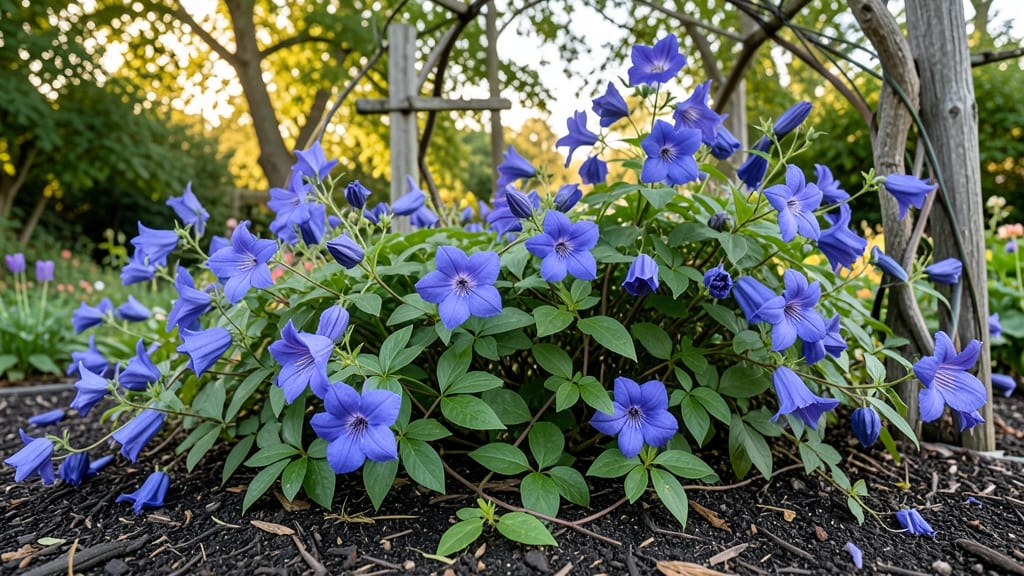
The jackmanii clematis bloom time runs from late summer through fall, delivering vibrant purple spikes that turn heads from August to October.
If you’ve ever dreamed of a garden bursting with vibrant purple spikes year after year, Clematis jackmanii could be your perfect match—but timing its blooms and pruning correctly is the secret to unlocking its full potential.
This repeat bloomer thrives in USDA Zone 6a and beyond, but regional climate shifts can delay or extend its flowering season. With the right care, you can coax extra blooms into early spring or late fall, turning your trellis into a year-round showstopper.
Below, I’ll break down the exact bloom timeline, pruning tricks to maximize flowers, and how sunlight and soil play a surprising role in keeping those purple spikes coming.
When does jackmanii clematis bloom? Seasonal timeline for maximum purple spikes
Clematis jackmanii is famous for its dramatic purple blooms that appear like clockwork each year—but the timing depends on your USDA zone and care habits. Unlike some clematis varieties, this one primarily blooms in late summer to fall, with occasional reblooms if pruned correctly. Understanding its natural cycle helps you plan for year-round color with minimal effort.
In most U.S. regions (Zones 4-9), jackmanii typically bursts into bloom between mid-August and October, with peak flowering in September. However, cooler climates (like Zone 4) may see blooms delayed until late September, while Zone 9+ gardens often enjoy earlier flowering in July-August.
The key to extending this display? Proper pruning and feeding.
| Season | Bloom Period | Key Care Tasks | Regional Notes |
|---|---|---|---|
| Spring (March-May) | Minimal blooms (if any) | Prune dead stems, feed with high-phosphorus fertilizer | Zones 4-6: Wait until frost risk passes |
| Summer (June-July) | Rebloom potential (if pruned in spring) | Water deeply, support climbing stems | Zones 7-9: Hotter areas may need afternoon shade |
| Late Summer (Aug-Sept) | Main bloom season (purple spikes) | Deadhead spent blooms, mulch roots | Zones 4-5: Blooms may shift to October |
| Fall (Oct-Nov) | Extended blooms in mild climates | Stop fertilizing, protect from early frost | Zones 9-10: Can bloom until December |
| Winter (Dec-Feb) | Dormant (no blooms) | Prune after frost, plan spring feed | Zones 3-4: Mulch heavily for protection |
One of the jackmanii clematis's superpowers is its ability to rebloom if you prune it correctly in early spring. This Group 3 clematis (late-season bloomer) thrives when you cut back 1/3 of the oldest stems each year.
The remaining stems produce new growth that flowers in summer and fall, while the older stems provide next year's blooms.
For maximum purple spikes, aim to prune in late winter or early spring (before new growth starts). Remove dead or weak stems first, then cut the remaining stems back to 2-3 healthy buds.
This balance ensures both summer and fall blooms. In warmer climates (Zones 8-10), you might see two bloom cycles: a smaller one in spring and a bigger one in fall.
Climate plays a huge role in bloom timing. In cooler northern regions (Zones 4-6), expect blooms to start later (September-October) due to slower growth.
Meanwhile, southern gardens (Zones 7-10) often see earlier blooms in July-August, sometimes with continuous flowering if conditions are ideal. Heatwaves can also delay blooms, so providing afternoon shade in hot areas helps maintain flowering.
To extend the bloom season, focus on three key practices: consistent watering, balanced fertilization, and proper pruning. A high-phosphorus fertilizer (like 5-10-10) in early spring encourages strong flower buds.
Pair this with deep watering once a week (more in summer heat) to prevent stress. Mulching around the base also helps regulate soil temperature, which supports steady blooming.
If your jackmanii clematis skips blooms entirely, don’t panic—it’s often a sign of over-pruning or poor sunlight. This variety needs 6+ hours of sun daily and a support structure to climb. Without proper support, energy goes into leafy growth instead of flowers.
Also, ensure the crown is buried 4-6 inches deep at planting—this protects it from temperature swings that can stress the plant.
For U.S. gardeners in transition zones (like Zone 7), the bloom window can stretch from late July to November if you combine spring pruning with summer care. Start by pruning in March, then feed in April, and watch for first blooms by August.
Deadhead spent flowers regularly to encourage new buds, and you’ll likely see secondary blooms through October.
Remember,
Jackmanii clematis pruning calendar: step-by-step guide to year-round blooms
Clematis jackmanii thrives when pruned strategically to encourage its stunning purple blooms from late summer through fall. Unlike other clematis varieties, this Group 3 vine blooms on current-year growth, so timing is everything. I’ve pruned mine for years, and I’ve learned that monthly check-ins with the right tools make all the difference.
Start by gathering your essentials: bypass pruners for clean cuts, gloves to protect from thorns, and a sharp knife for stubborn stems. The key is to prune after flowering but before new growth hardens—this keeps your vine productive.
Let’s dive into the month-by-month schedule that’ll keep your clematis blooming like clockwork.
⚠️ Critical Bloom Timing Alert!
Your Jackmanii clematis blooms late summer to fall (August–October), but pruning too early (before June) risks cutting off next year’s flower buds. If you prune after flowering, focus on removing dead or weak stems—never more than 1/3 of the vine at once!
In winter (December–February), your vine is dormant—this is the perfect time to clean up debris and remove any dead or diseased stems. I like to map out my vine first, marking stems that produced blooms last year.
These are your keepers—prune only the weakest growth to avoid over-pruning. Use sterilized tools to prevent spreading disease.
When spring arrives (March–April), new growth will emerge. This is when you lightly trim any crossing or rubbing stems to encourage airflow. Avoid heavy pruning now—your plant is focusing energy on foliage before blooming.
I also add a balanced fertilizer (like 10-10-10) to support root development, which sets the stage for summer blooms.
By summer (June–July), your clematis should be lush and ready for its maintenance prune. After the first flush of blooms, cut back about 1/3 of the oldest stems to stimulate new growth.
This is also when I train my vines along trellises or arbors, ensuring they have support for heavy blooms. Water deeply in the morning to prevent fungal issues.
As fall approaches (September–October), your clematis will push its final blooms of the year. After flowering, prune lightly—just remove spent blooms and any stems that look weak or diseased.
Avoid heavy cuts now, as new growth may not harden off before winter. I also mulch around the base with 3–4 inches of organic mulch to protect roots from freezing.
Pro tip: Label your pruning cuts with a small flag or ribbon to track which stems bloomed best. Over time, you’ll learn which cuts encourage reblooms and which stunt growth.
With this year-round schedule, your Jackmanii clematis will reward you with purple spikes from summer to frost! 🌸