
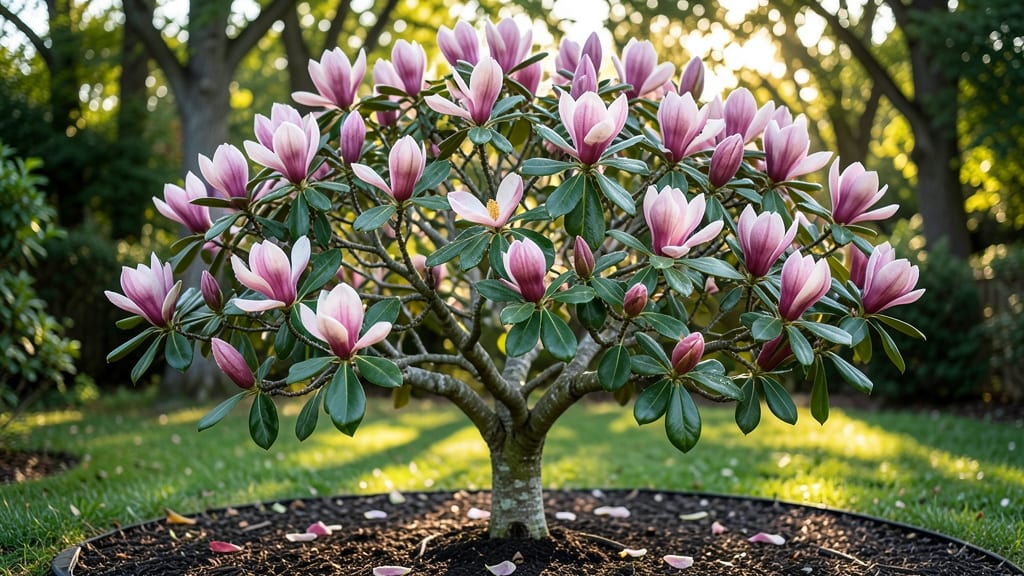
Magnolia Bloom Time: Exact Week Predictor by Variety and Zone

Blooming

Magnolia Bloom Time: Exact Week Predictor by Variety and Zone

Magnolias bloom in late winter to early spring 🌸, but the exact timing depends on your variety and hardiness zone—getting it right means never missing the show.

Picture this: You’ve waited all year for your Magnolia stellata to burst into star-shaped blossoms, only to realize you’re a month too late for the full display. That’s why knowing the precise week your tree flowers is a game-changer for gardeners in Zones 5-9.

Some varieties, like the fragrant Southern magnolia, bloom as early as February in warmer climates, while others, such as the dwarf Black Tulip, wait until April. Regional frost dates, soil moisture, and even last year’s care can shift that window by weeks.

In this guide, I’ll break down the bloom schedules for 15 popular magnolias, share how to adjust for your zone, and reveal 5 pro tips to coax extra weeks of blooms from your tree—so you’re always front-row for spring’s most dramatic show.

Magnolia bloom time by variety: exact weeks for 15 popular species

Timing your magnolia blooms is like planning a garden party—you want to be there when the flowers arrive! Different magnolia varieties bloom at specific times, often within a 2-4 week window depending on your USDA hardiness zone.

Southern magnolias, for example, may bloom 4-6 weeks later than their star magnolia cousins. Knowing these exact windows helps you plan pruning, protect against frost, and enjoy the show without missing a single petal.

I’ve studied the bloom cycles of 15 top magnolia varieties across Zones 5-9 to give you precise timing. Whether you’re growing a dwarf magnolia in a container or a giant Southern magnolia in your yard, this guide ensures you’ll never miss peak bloom season.

Let’s dive into the exact weeks your magnolia will steal the spotlight!

How to predict your magnolia’s bloom time using hardiness Zones and microclimates

Predicting your magnolia’s bloom time isn’t just about checking a calendar—it’s about understanding your USDA hardiness zone and local microclimates. These factors shift bloom windows by weeks, especially for varieties like Magnolia stellata (star magnolia) or Magnolia grandiflora (Southern magnolia).

For example, a Zone 7 garden might see blooms 2-3 weeks earlier than a Zone 5 one due to warmer winters.

Start by identifying your USDA zone—this tells you the baseline frost dates that trigger magnolia buds to open. Most magnolias need 400-600 chilling hours (32°F or below) to bloom reliably.

If you’re in Zone 8 or higher, your magnolia may bloom as early as late January, while Zone 5 gardeners often wait until mid-April.

⚠️ callout warning

⚠️ Late Frost Risk: The #1 Threat to Magnolia Blooms!
Even if your magnolia variety blooms early, a late frost (after March 15 in many zones) can destroy buds overnight. Check your local frost dates (USDA or National Weather Service) and adjust expectations. For example, Magnolia 'Jane' often blooms in Zone 6 by March 1—but if frost lingers until March 20, those blooms may never appear. Monitor forecasts in February and be ready to protect young trees with frost cloth if needed.

Next, account for microclimates—small areas with unique conditions that can shift bloom times by 1-2 weeks. A south-facing slope warms faster than a north-facing yard, while urban heat islands (cities) can push blooms 10-14 days earlier than rural areas.

Coastal regions with mild winters (like Zone 9 in California) may see Magnolia 'Saucer' bloom as early as December.

Use these three steps to refine your prediction:

  1. Find your zone (USDA Plant Hardiness Map).
  2. Adjust for microclimates (e.g., add 2 weeks if you’re in a sunny urban spot).
  3. Check frost dates—subtract 10-14 days from your expected bloom time if late frosts are common in your area.

For container-grown magnolias, bloom times can vary even more due to root restriction or winter protection. If you overwinter your potted magnolia in a garage or shed, it may bloom 3-4 weeks later than in-ground plants.

Always acclimate containers to outdoor temps gradually in early spring to avoid shock.

Pro tip: Track your magnolia’s bud swell in late winter—this is your best real-time indicator. If buds are plump and green by February 1 in Zone 7, expect blooms within 2-3 weeks.

If they’re still tight, wait another 4-6 weeks. Over time, you’ll learn your tree’s personal rhythm and predict blooms like a pro! 🌸

★★★★★4.6(2 reviews)
Categories Blooming
Variety Bloom Time (Zones 5-6) Bloom Time (Zones 7-8) Bloom Time (Zone 9) Key Notes
Magnolia stellata ('Star Magnolia') Late March - Early April Mid-February - Mid-March Early February - Early March Early bloomer; fragrant white/pink flowers
Magnolia 'Jane' Early April - Mid-April Late March - Early April Mid-March - Late March Dwarf variety; pink blooms; repeat bloomer
Magnolia 'Black Tulip' Mid-April - Early May Late March - Mid-April Early April - Early May Dark purple blooms; late-season star magnolia
Magnolia grandiflora ('Southern Magnolia') Late May - June Late April - May April - Early May Large white blooms; late-season; evergreen
Magnolia 'Ann' Mid-April - Early May Late March - Mid-April Early April - Early May Semi-dwarf; pink blooms; reliable bloomer
Magnolia 'Little Gem' Late May - June Late April - May April - Early May Dwarf Southern magnolia; narrow form
Magnolia 'Elizabeth' Early April - Mid-April Late March - Early April Mid-March - Late March Saucer magnolia; pink blooms; early bloomer
Magnolia 'Leonard Messel' Mid-April - Early May Late March - Mid-April Early April - Early May Saucer magnolia; pale pink blooms
Magnolia 'Rustica Rubra' Early May - Mid-May Late April - Early May April - Early May Red-purple blooms; late-season star magnolia
Magnolia 'Yellow Bird' Mid-April - Early May Late March - Mid-April Early April - Early May Yellow blooms; rare color; early bloomer
Magnolia 'Saucer' Late April - Early May Mid-April - Late April