
Blooming
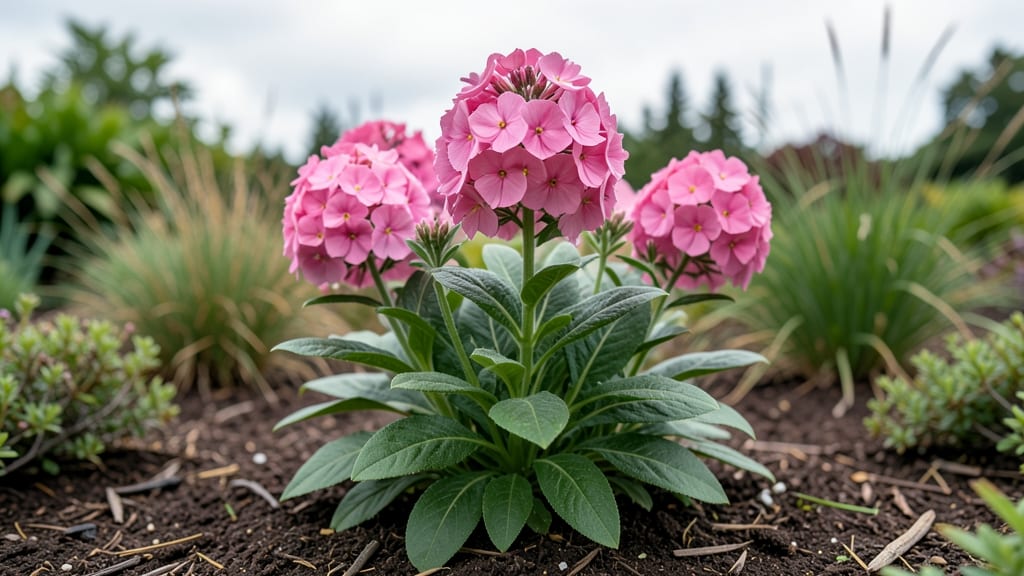
Phlox paniculata blooms in mid-to-late summer 🌸 when daytime temperatures consistently hit 65–75°F, but the exact timing depends on your variety and hardiness zone.
If you’ve ever wondered why your Garden Phlox blooms later than your neighbor’s—or why some varieties explode with color while others linger—understanding its heat-triggered bloom stages is the key to unlocking showstopping summer gardens.
In Zone 6a, where many gardeners plant in March–April, expect blooms to start around July 15 for early varieties like ‘David’ and stretch into September for late bloomers like ‘Blue Paradise.’
Below, I’ll break down how sunlight, soil, and pruning tweaks can shift your bloom window, plus the 5 easiest ways to keep your phlox flowering longer—no guesswork required.
How heat triggers Phlox Paniculata Bloom Time by Variety
Phlox paniculata is a summer garden superstar, but its bloom time isn’t set in stone—it’s directly tied to heat exposure. Most varieties need consistent temperatures between 55–85°F to trigger those iconic clusters of blooms. Early bloomers like 'David' and 'White Delight' kick off the show in late June to early July, while late-season stars like 'Blue Paradise' and 'Miss Linda' hold court until September frost. The secret? Heat acts like a switch—too little delays blooms, and too much can stress the plant. Let’s break down how each variety responds.
Heat-sensitive varieties like 'Pink Flamingo' thrive in moderate climates (Zones 4–7) but may bolt or fade in sweltering heat above 90°F. On the other hand, heat-tolerant picks like 'Lipstick' and 'David' handle Zone 8’s summer heat with ease, often reblooming if deadheaded.
Understanding these thresholds helps you choose the right variety for your microclimate and extend the bloom season naturally.
| Variety | Bloom Time | Heat Threshold (°F) | Ideal Zone | Bloom Duration |
|---|---|---|---|---|
| 'David' | Late June–July | 55–80°F | 4–8 | 4–6 weeks |
| 'White Delight' | Early July–August | 60–85°F | 5–8 | 5–7 weeks |
| 'Blue Paradise' | August–September | 65–80°F | 4–7 | 6–8 weeks |
| 'Miss Linda' | Late July–October | 55–75°F | 3–6 | 8–10 weeks |
| 'Pink Flamingo' | July–August | 60–75°F | 4–7 | 4–5 weeks |
| 'Lipstick' | Late June–September | 65–90°F | 6–9 | 7–9 weeks |
The 'David' variety is a heat-triggered early bloomer, often bursting into color when daytime temps hit 65°F consistently. This makes it perfect for cooler northern climates (Zones 4–5), where it can bloom 2–3 weeks earlier than late-season types.
In contrast, 'Miss Linda' waits for stable 70°F days before flowering, which is why it shines in Zone 6’s extended summers. If you’re in a hotter zone (8+), prioritize 'Lipstick' or 'Blue Paradise'—they handle afternoon heat better and reward you with longer bloom windows.
Heat stress above 90°F can cause bud drop in sensitive varieties like 'White Delight'. To combat this, I mulch heavily with 2–3 inches of straw to keep roots cool and water deeply in the morning to prevent wilting.
For late-season bloomers, a light afternoon shade cloth (30–50%) can protect them from late summer heatwaves while still allowing enough light for blooming.
Did you know? 'Blue Paradise' often reblooms if you deadhead spent blooms and fertilize lightly with a low-nitrogen feed (5-10-10) after the first flush. This trick extends its bloom time by 3–4 weeks in ideal conditions.
The key is balancing heat exposure—too little delays blooms, but too much can stress the plant before it even flowers.
If you’re in a transitional climate (like Zone 6–7), mix early and late bloomers to create a continuous color show. For example, plant 'David' (early) alongside 'Blue Paradise' (late) for nonstop blooms from June to October.
Just ensure they get well-draining soil—phlox hates soggy roots, which can delay blooming or cause rot.
Pro tip: Monitor your local heat index (not just the high temp) to predict bloom times. A high humidity combined with 90°F+ heat can stunt flower production, even in heat-tolerant varieties. Use a weather app to track night
Phlox bloom stages by USDA hardiness Zone: when to expect flowers
Your Phlox paniculata bloom time depends heavily on your USDA hardiness zone. In cooler zones like 3–5, flowers typically appear in late June to early July, while warmer zones 6–8 may see blooms as early as mid-June or as late as August.
This variation occurs because phlox is a heat-triggered bloomer, meaning it responds to consistent daytime temperatures above 60°F.
Cold-hardy varieties like 'Blue Moon' thrive in zones 3–7 and often bloom earlier, while heat-sensitive types such as 'Pink Flamingo' may struggle in zones 7–8 if summer temperatures exceed 90°F. Understanding these patterns helps you choose the right variety for your climate and adjust care to maximize bloom duration.
| USDA Zone | Typical Bloom Window | Cold-Hardy Varieties | Heat-Sensitive Varieties | Key Care Tip |
|---|---|---|---|---|
| 3–4 | Late June–July | 'Blue Moon', 'David' | 'Pink Flamingo' (struggles) | Mulch heavily in spring |
| 5–6 | Mid-June–August | 'White Delight', 'Lipstick' | 'Blue Paradise' (needs shade) | Deadhead regularly |
| 7–8 | Late May–July | 'Miss Linda' (tolerates heat) | 'Pink Flamingo' (wilts above 90°F) | Provide afternoon shade |
In USDA Zone 3–4, early bloomers like 'Blue Moon' often start flowering by late June once soil temperatures stabilize above 55°F. These varieties are cold-tolerant and can handle brief frost after blooming begins, but they may produce fewer flowers if spring is unusually cold.
To encourage robust blooms, I recommend planting in full sun and applying a slow-release fertilizer in early spring.
Zones 5–6 experience the most dramatic bloom windows, with flowers appearing as early as mid-June and lasting until mid-August. Varieties like 'White Delight' thrive here, producing fragrant clusters that attract pollinators.
However, late summer heat waves can shorten bloom duration, so I always water deeply twice weekly during heat spikes to prevent stress.
For USDA Zones 7–8, heat-sensitive varieties like 'Pink Flamingo' may bloom earlier but often fade by July if temperatures exceed 90°F. To extend blooms, I plant these in partial shade and pair them with drought-tolerant companions like lavender.
Mulching with straw or wood chips also helps retain moisture and regulate soil temperature.
Regardless of your zone, deadheading spent blooms is the #1 way to prolong flowering. I snip back 1/3 of the stem after each flush of blooms to encourage new growth.
This works especially well for late-season varieties in warmer zones, where a second bloom cycle can appear in early fall if conditions are right.
🌸