
Blooming
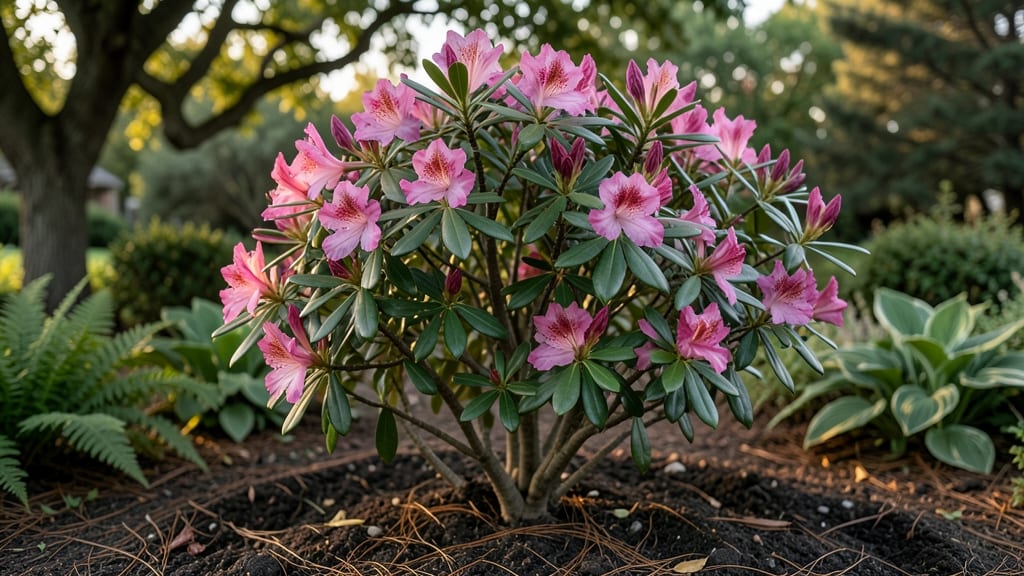
Azalea bushes bloom in the spring when they’ve had enough chilling hours and warm-up cues—timing that can shift by weeks depending on your variety and zone.
If you’ve ever wondered why your azaleas bloom at different times—or why some varieties refuse to flower—understanding their heat-triggered blooming patterns is the key to unlocking stunning spring displays every year.
In USDA Zone 6a, most azaleas burst into color between late April and early May, but late-blooming types like Rhododendron prinophyllum may wait until June. Meanwhile, southern varieties can start as early as March, while northern ones might delay until June.
Below, I’ll break down the exact bloom windows by variety, how to predict your azalea’s schedule using temperature cues, and the simple care tweaks that can bring forward those show-stopping 🌸 blooms—even if your plant has skipped a season.
When azaleas bloom: heat-triggered timeline by variety
Azaleas are famous for their vibrant spring blooms, but their exact bloom time depends on variety and temperature triggers. Early bloomers may appear in late winter, while late varieties wait until summer. Understanding these patterns helps you choose the right azalea types for your USDA zone and climate.
Most azaleas need 300–900 chilling hours (below 45°F) to set buds, followed by warm temperatures (50°F+) to trigger flowering. A sudden heatwave can accelerate blooms, while cool springs delay them. Let’s break down the heat-triggered bloom windows for popular varieties across USDA Zones 4–10.
| Variety | Bloom Season | USDA Zones | Heat Trigger | Bloom Time Adjustment |
|---|---|---|---|---|
| Rhododendron prinophyllum (Early Azalea) | Late April–May | 4–8 | 50°F+ for 2+ weeks | Early heatwave = earlier blooms |
| Rhododendron indicum (Indian Azalea) | May–June | 6–9 | 60°F+ for 3+ weeks | Cool spring = delayed blooms |
| Rhododendron molle (Late Azalea) | June–July | 5–10 | 70°F+ for 4+ weeks | Extended heat = longer bloom |
| Fall-Blooming (Rhododendron schlippenbachii) | September–October | 5–9 | Cool nights (55°F) + warm days (75°F) | Early frost = shorter bloom |
In USDA Zone 4–5, early azaleas like Rhododendron prinophyllum may bloom as early as late April if winter chilling is sufficient. However, a late frost can damage buds. Conversely, Zone 8–10 gardens often see extended blooming due to milder winters and longer warm periods.
For example, my Zone 7 garden sees Rhododendron indicum bloom in early May, but a heatwave above 85°F can cause buds to open prematurely, reducing their lifespan. To delay blooms in hot climates, provide afternoon shade or mulch heavily to keep roots cool.
Late azaleas like Rhododendron molle thrive in Zone 5–10 and often bloom in June–July. Their heat-triggered nature makes them perfect for summer color, but they require consistent moisture during bud set. In drought-prone areas, drip irrigation ensures they don’t skip blooming.
Fall-blooming varieties, such as Rhododendron schlippenbachii, are a garden gem for late-season color. They need cool nights and warm days to set buds, making them ideal for Zone 5–9. In Zone 10, their blooms may stretch into November if temperatures stay mild.
If you’re in Zone 4, focus on hardy early varieties like Rhododendron prinophyllum, which tolerate colder winters. In Zone 10, opt for heat-tolerant hybrids that bloom in winter or early spring before summer heat arrives.
To sync blooms with your desired timeline, monitor temperature shifts and adjust care. For example, fertilize in early spring with high-phosphorus fertilizer to encourage bud formation. Prune right after blooming to avoid cutting off next year’s flowers.
Pro tip: Use a garden thermometer to track chilling hours and warm-up thresholds. If your azaleas skip blooming, it’s often due to insufficient chilling or overpruning. Adjust care based on your local climate and variety needs.
With the right azalea variety and heat-triggered timing, you can enjoy stunning blooms from spring to fall—no matter your USDA zone! 🌸
How to predict azalea bloom time using temperature cues
Azaleas are finicky about timing—your bloom window depends on two critical factors: chilling hours and warm-up thresholds. Most varieties need 300–900 hours below 45°F to break dormancy, followed by 2+ weeks of consistent 50°F+ temperatures to trigger buds.
Without this sequence, your azaleas might just sit there, looking lovely but bloom-free. 🌸
Start tracking temperatures in late winter. Use a home weather station or local USDA climate data to log daily lows. For example, my Southern Indica azaleas in Zone 7b typically bloom 3–4 weeks after hitting 50°F for 14 days straight.
Northern varieties like Rhododendron prinophyllum often bloom 2–4 weeks earlier due to colder winters. ☀️
📌 Key Temperature Cues for Azalea Blooms
- 300–900 chilling hours below 45°F (varies by variety).
- 50°F+ for 2+ weeks signals buds to open.
- Sudden heat spikes (above 80°F) can stress buds and delay blooms.
- Consistent morning sun (4–6 hours) after warm-up boosts color intensity.
- Adjust care based on your forecast: prune after blooms fade, fertilize in early spring (March), and water deeply when buds swell.
To fine-tune your predictions, note your local last frost date. Most azaleas bloom 2–4 weeks after the last frost, but early varieties (like Rhododendron molle) may start as early as late February in Zone 7.
Late bloomers (e.g., Knaphill hybrids) often wait until May. Keep a garden journal to track your plants’ patterns—mine in Zone 6 bloom 2 weeks earlier than neighbors with full-sun exposure versus my partial shade. ✂️
Once you’ve nailed the temperature cues, adjust your care routine to sync blooms with your ideal timeline. For example, if you want spring blooms, fertilize with high-phosphorus acid fertilizer in early March (when buds form).
For fall bloomers, fertilize again in early September. Always water deeply before buds swell—drought stress can cause buds to drop. 💧
Pruning plays a hidden role too. Never prune in late summer or fall, as this removes next year’s flower buds. Instead, prune right after blooming (May–June) to shape the bush and encourage new growth.
I prune mine in early June, and they’ve bloomed earlier every year since. 🌿
If your azaleas still won’t cooperate, check for bud blast (caused by late frosts) or nutrient imbalances. A soil test can reveal if your pH is too high (azaleas need 4.5–6.0) or if you’re missing micronutrients like magnesium.
My pink azaleas once skipped blooming until I amended the soil with peat moss and sulfur. With the right cues and care, you’ll have predictable, show-stopping blooms year after year. 🌷