
Blooming
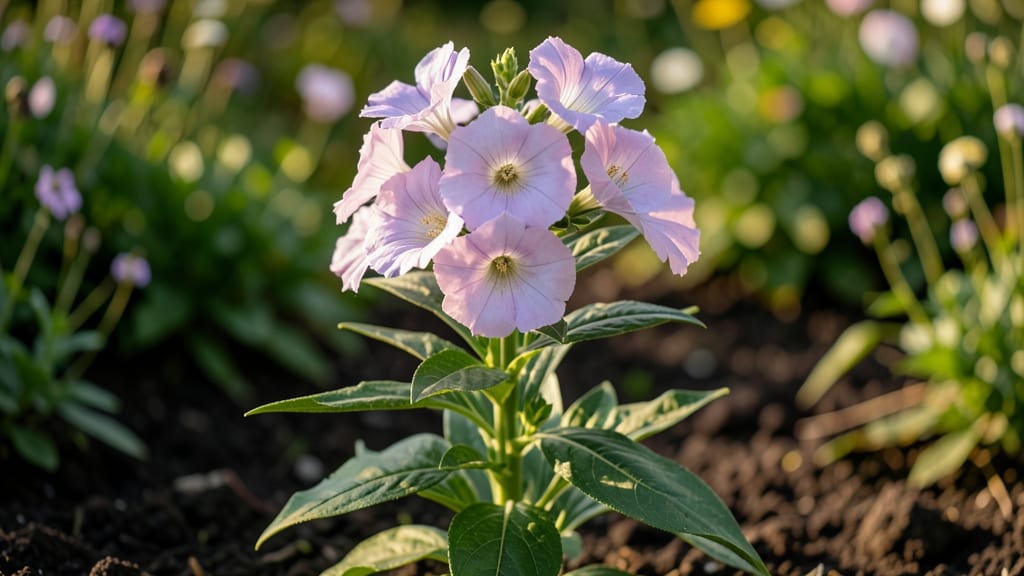
Your lisianthus bloom time depends entirely on heat triggers—those 10-day stretches of warm nights that tell the plant it’s finally safe to open its 🌸 buds.
Want to time your lisianthus blooms perfectly? Understanding heat triggers by planting zone is the secret to stunning first flowers—and even a second rebloom season.
In cooler zones like 6a, you’ll see those first 🌸s in August, while gardeners in the South might start cutting blooms by June. But here’s the catch: without deadheading or soil warmth tricks, most lisianthus plants call it quits after the first flush.
Below, I break down the exact temperature thresholds that kickstart blooming, how to stretch your season with a few simple tweaks, and why your 🌸s might still be napping even when the calendar says summer.
Lisianthus bloom time by USDA planting zones: when heat triggers first flowers
Timing your lisianthus blooms starts with understanding how temperature thresholds trigger flowering across different USDA planting zones. Unlike many flowers, lisianthus responds to heat accumulation rather than fixed calendar dates—meaning your zone dictates when those first showy blooms appear.
In cooler zones like 5-7, you’ll need to plan for later starts, while zones 8-11 can enjoy earlier, longer bloom seasons with proper care.
Lisianthus typically requires 120-180 days to reach maturity from seed, but heat triggers accelerate or delay this process. For example, in Zone 5, where frosts linger into May, planting too early risks stunted growth.
Meanwhile, in Zone 10, where winter temps rarely drop below 30°F, you can push for fall planting to catch a second bloom cycle before cooler weather sets in.
Here’s the key: lisianthus needs consistent daytime temps above 65°F to initiate flowering. Below this threshold, growth slows dramatically. That’s why zone-specific planting windows are critical—plant too soon in cold zones, and you’ll miss the heat needed to trigger those first blooms.
Let’s break down exactly when to plant and what to expect in each zone.
🌸 Pro Tip: Use a growing degree day (GDD) calculator for your zone to fine-tune planting. Lisianthus needs roughly 2,000-2,500 GDDs to bloom, and this varies by 100-200 GDDs between zones.
In Zones 5-6, where winters are harsh, focus on spring planting after your last frost date. For example, if your last frost is May 10, aim to plant lisianthus by April 20 to ensure it hits the 68°F+ threshold by early June.
This timing gives your plants 150-180 days to mature before cooler fall temps arrive, delivering your first summer blooms around mid-July.
Zones 7-8 offer more flexibility. Here, you can plant as early as mid-April and still expect blooms by late June. The key is to avoid planting too early—soil temps below 60°F can stunt root growth.
In Zone 8, I’ve found that late March plantings often outperform earlier ones because they align better with the 62°F nighttime trigger needed for consistent flowering.
For gardeners in Zones 9-11, the real magic happens with fall planting. In Zone 10, where winters rarely drop below 40°F, you can plant lisianthus in late summer (August-September) for a second bloom cycle that peaks in December-January.
The lower 55°F threshold in these zones means lisianthus can bloom almost year-round with minimal care.
🌡️ Heat Management Tip: Use row covers in cooler zones to accelerate heat accumulation. Even raising
How to extend lisianthus bloom time: heat management for reblooming success
Lisianthus thrives on seasonal heat triggers that can be manipulated to encourage a second bloom cycle. By understanding your USDA zone and adjusting care techniques, you can coax those vibrant blooms to return after their initial flush.
The key lies in balancing soil warmth, deadheading, and heat tolerance for your specific variety.
Most lisianthus varieties produce their first prolonged bloom in late summer, but with the right strategies, you can push them into a second cycle. Start by selecting heat-tolerant cultivars like 'Blackout' or 'Pink Velour'—these varieties handle summer heat better than others.
The trick is to mimic their natural fall rebloom cues by creating the right conditions in your garden.
- Deadhead daily after blooms fade to remove spent flowers. This signals the plant to redirect energy into new buds instead of seed production. Use clean bypass pruners and cut just above the next set of leaves to avoid damaging the stem.
- Monitor soil temperature—lisianthus roots need 65-75°F for optimal growth. In cooler zones (5-7), use black plastic mulch or row covers to warm the soil. In hot zones (8-11), provide afternoon shade to prevent heat stress.
- Fertilize lightly with a low-nitrogen formula (5-10-10) every 4-6 weeks during the growing season. Too much nitrogen promotes foliage over flowers. Apply in the early morning to avoid burning tender new growth.
- Adjust watering—lisianthus needs consistent moisture but hates soggy roots. Water deeply in the morning (1-2 inches per week) and reduce frequency in hot, dry spells. Let the top inch of soil dry between waterings to prevent fungal issues.
- Prune strategically to encourage bushier growth. After the first bloom cycle, trim back overgrown stems by one-third to promote new shoots. Avoid heavy pruning in late summer, as this can delay the second bloom.
For reblooming success, time your deadheading and pruning to align with cooling temperatures. As summer heat wanes, lisianthus naturally prepares for a second flush.
In zones 8-11, this often happens in late August to September, while cooler zones (5-7) may see reblooms in early to mid-September.
If your lisianthus struggles with heat stress, look for signs like drooping leaves or yellowing petals. These are red flags to adjust care immediately. Move potted lisianthus to a shadier spot and increase watering frequency.
For in-ground plants, apply a 2-inch layer of mulch to retain moisture and regulate soil temperature.
With patience and the right techniques, you can enjoy two stunning bloom cycles from a single lisianthus plant. The secret is consistency—stick to your deadheading schedule, monitor soil warmth, and adapt to your local climate. Soon, your garden will be bursting with extended color well into fall! 🌸