
Blooming
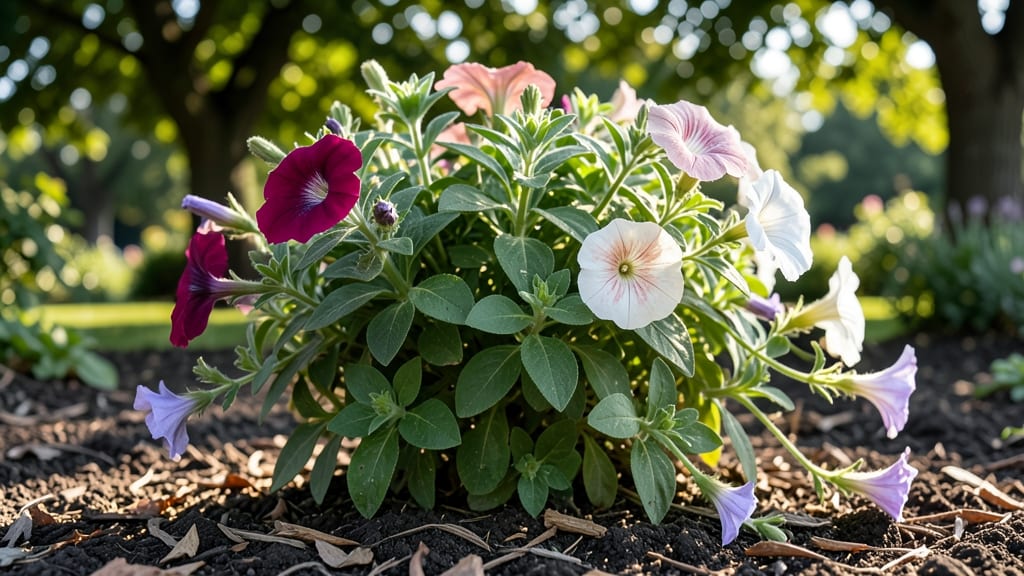
Petunias bloom in 45 to 90 days after planting, but the exact timing depends on when you start them, your zone, and a few simple care tricks that can shave weeks off the wait.
Picture this: you’ve spent weeks nurturing those tiny seedlings, only to wonder why your neighbors’ petunias 🌸 are already bursting with color while yours are still green and stubborn.
The difference often comes down to timing—planting too early in cold soil or too late in the heat can delay blooms by 30 days or more.
In Zone 6a, where spring planting kicks off in April, most petunias hit their first flowers in 60 days—that’s around early June—if given full sun and consistent moisture.
But heat-loving varieties in warmer zones can bloom even faster, while cold-sensitive types might take longer to push through chilly starts.
Below, I’ll break down the zone-by-zone bloom schedule, share the top 3 tricks to speed up flowering, and explain why your petunias might be playing hard to bloom—plus how to fix it before the season slips away.
Petunia bloom time by USDA planting Zones: exact days to first flowers
Petunias are my go-to annuals for vibrant summer color, but their bloom time varies dramatically depending on your USDA planting zone.
In Zone 3, you might see first flowers as early as 60 days after planting, while gardeners in Zone 11 could enjoy blooms in just 45 days thanks to warmer climates. The key? Understanding your zone's unique conditions and choosing the right varieties.
Most petunias are annuals, meaning they complete their life cycle in one season, but some cold-hardy varieties can survive mild winters in Zones 9-11. These perennials often bloom 10-15 days earlier than their annual counterparts because they establish roots sooner.
For example, 'Wave' petunias thrive in heat and may flower 5-7 days faster than traditional types in Zones 7-11.
Your local climate also plays a huge role. Early starts in Zones 4-6 often require waiting until after the last frost date, while Zones 8-11 allow for fall planting with blooms appearing as early as 30 days in ideal conditions.
Let's break down the exact bloom timelines by zone to help you plan your garden calendar.
| USDA Zone | Annual Petunias (Days to First Bloom) | Perennial/Cold-Hardy (Days to First Bloom) | Best Planting Time | Climate Notes |
|---|---|---|---|---|
| Zones 3-4 | 60-75 days | N/A (Annual only) | After last frost (May-June) | Short growing season; use heat-tolerant varieties |
| Zones 5-6 | 50-65 days | N/A (Annual only) | Late April-May | Moderate frost risk; protect young plants |
| Zones 7-8 | 45-55 days | 55-65 days (perennial) | March-April or September | Long bloom season; can plant early or late |
| Zones 9-10 | 40-50 days | 45-55 days (perennial) | February-March or August | Year-round blooms possible with succession planting |
| Zone 11 | 30-45 days | 35-45 days (perennial) | Year-round (avoid extreme heat) | Heat-sensitive; provide afternoon shade |
In Zones 3-4, where winters are harsh, petunias are strictly annuals, and you'll need to wait until soil temperatures reach at least 50°F before planting. I've found that using black plastic mulch can warm the soil 5-7°F faster, shaving 5-10 days off bloom time.
For these zones, choose compact varieties like 'Supertunia' that handle cooler temperatures better.
Gardeners in Zones 5-6 have more flexibility. You can start seeds indoors 6-8 weeks before the last frost date to get a head start. I recommend using grow lights for seedlings to prevent leggy growth, which can delay blooming by up to 2 weeks.
For outdoor planting, wait until nighttime temperatures stay above 55°F consistently.
Southern gardeners in Zones 7-11 can experiment with fall planting for winter blooms. In Zone 10, I've seen petunias planted in September produce flowers by November if given proper care. However, be cautious in Zones 9-11—some heat-sensitive varieties may bolt if daytime temperatures exceed 95°F for extended periods.
For perennial petunias, which are only viable in Zones 9-11, focus on varieties like 'Easy Wave' that tolerate humidity and occasional heat. These can bloom continuously from spring to frost if deadheaded regularly.
In my Zone 10 garden, I've achieved 180 days of blooms from a single planting by combining early spring and late summer plantings.
If you're eager to see those vibrant petunia blooms sooner, you're not alone! Many gardeners rush to enjoy their colorful displays, and the good news is that accelerating bloom time is totally within your control. The secret lies in optimizing growing conditions and care routines—because petunias respond beautifully to the right triggers. Whether you're dealing with slow-growing seedlings or stunted flowering, these science-backed hacks will help you shave weeks off your wait time. Petunias thrive when given the perfect mix of sunlight, warmth, and nutrients, but small tweaks can make a huge difference. For example, did you know that soil temperature alone can determine whether your petunias bloom in 6 weeks or 10? Or that pruning at the right time encourages more flowers? Let's dive into the top 5 gardening hacks that will transform your petunias into a blooming powerhouse. One of the easiest ways to boost petunia bloom time is by giving them the right amount of sunlight. Petunias are sun-lovers, and 6+ hours of direct sunlight is non-negotiable for fast blooming. If your garden gets less sun, consider growing them in containers near a south-facing window or using grow lights for 12-14 hours daily. I’ve seen petunias in full sun start blooming in as little as 45 days, while those in partial shade can take up to 90 days. Don’t overlook the power of soil temperature—this is a game-changer for speeding up blooms. Petunias are sensitive to cold soil, and temperatures below 55°F can stall their growth. To give them a head start, use black plastic mulch or row covers to warm the soil. For container gardeners, a heat mat can raise soil temps by 10°F and get those blooms appearing 2-3 weeks earlier. Pro tip: Test your soil temperature with a soil thermometer—aim for 60-70°F for optimal results. When it comes to fertilizer schedules, timing is everything. Many gardeners make the mistake of feeding too early or using the wrong type of fertilizer. Start with a light feeding when seedlings are 4-6 inches tall, then switch to a balanced 10-10-10 fertilizer every 4-6 weeks during the growing season. Avoid high-nitrogen fertilizers, as they encourage leafy growth at the expense of flowers. For the fastest results, feed in the early morning so nutrients are absorbed quickly. Pruning might seem counterintuitive when you’re eager for blooms, but it’s one of the best ways to encourage faster and more abundant flowering. When your petunias reach 6-8 inches tall, pinch back the tips of the main stems. This triggers the plant to produce more side shoots, which means more flowering stems. Regular deadheading (removing spent blooms) also signals the plant to produce new flowers, extending the blooming season by 30-50%. Just be sure to use clean, sharp pruners to avoid damaging the plant. Lastly, if you’re planting petunias from seed, choose the right varieties for your goals. Some petunias are bred specifically for fast blooming, like Supertunia or Wave series, which can start flowering in as little as 45-50 days. If you’re buying transplants, look for labeled "early blooming" or "fast-growing" varieties. Even small differences in variety can mean the difference between spring blooms and summer displays. Pair these hacks with the right variety, and you’ll be enjoying a petunia explosion in record time! 🌸How to speed up petunia bloom time: 5 proven gardening hacks