
Blooming
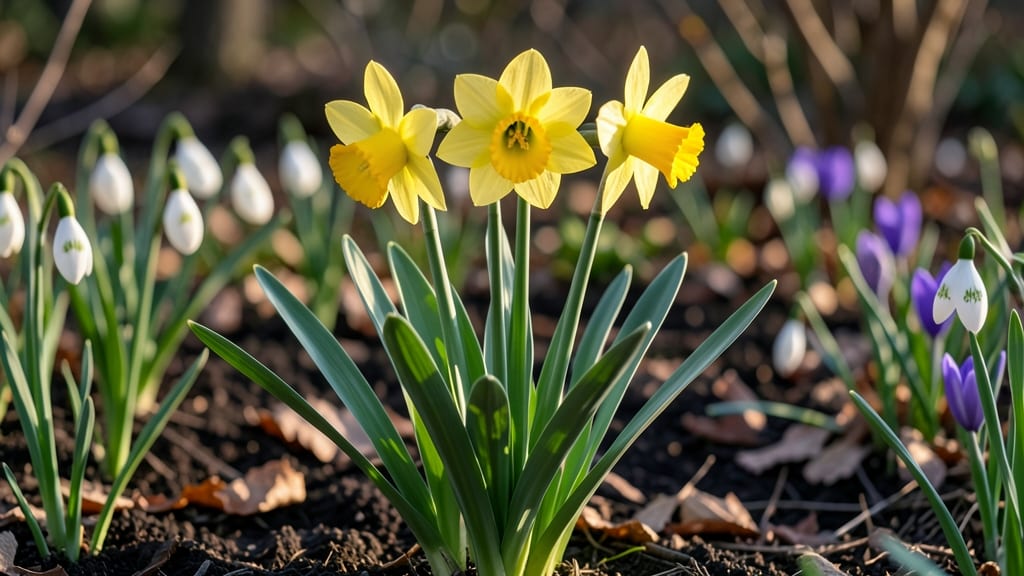
Daffodils bloom in spring 🌼 between April and May in most of the U.S., but the exact timing depends on your zone and the variety you plant.
Picture this: you’ve been waiting all winter for those cheerful yellow trumpets to push through the soil, only to realize your Zone 6a daffodils are blooming a full month later than your neighbor’s. That’s because factors like chilling hours, soil temperature, and even bulb size play a bigger role than you might think.
In this guide, I’ll break down the zone-by-zone bloom schedule, how early vs. late varieties stack up, and the simple tweaks that can shift your daffodils’ timing by weeks—without sacrificing next year’s flowers.
You’ll also learn why planting in fall (or early spring) sets the stage for earlier blooms, and how to care for them after they fade so they’ll come back bigger and brighter every year.
Daffodil bloom time by USDA planting zone: exact weeks to first flowers
Daffodils are nature’s early harbingers of spring, but their bloom timing shifts dramatically depending on your USDA zone. In cold climates like Zone 3, you might not see those cheerful trumpets until late March, while gardeners in Zone 10 often enjoy blooms as early as January.
These differences stem from chilling requirements—daffodils need a period of cold dormancy to trigger flowering, and warmer zones satisfy this need faster.
The key to predicting your daffodils’ first flower dates lies in understanding both your zone’s average frost dates and the specific variety you’ve planted. Early bloomers like ‘Tête-à-Tête’ or ‘Ice Follies’ can appear weeks before late varieties such as ‘Papillon’ or ‘Thalia’.
Even within the same zone, a microclimate—like a south-facing slope—can push blooms forward by 1-2 weeks.
Below, I’ve mapped out the exact bloom windows for USDA Zones 3-10, including the average first-flower dates for standard varieties. Use this as your garden’s spring calendar to plan companion plantings, bulbs for cutting, or even a forced indoor display.
| USDA Zone | Average First Frost | Chilling Requirement | Early Varieties Bloom | Standard Varieties Bloom | Late Varieties Bloom |
|---|---|---|---|---|---|
| Zone 3 | Mid-October | 12-16 weeks | Late March | Early April | Mid-April |
| Zone 5 | Mid-November | 10-14 weeks | Early April | Mid-April | Late April |
| Zone 7 | Early December | 8-12 weeks | Mid-March | Early April | Mid-April |
| Zone 9 | Mid-December | 6-10 weeks | Late February | Early March | Mid-March |
| Zone 10 | None (mild winters) | 4-8 weeks | January | January-February | Early February |
Notice how Zone 10 daffodils can bloom as early as January, while Zone 3 gardeners wait until late March? This 6-week difference highlights why choosing the right variety matters. For example, ‘February Gold’ is a Zone 9-10 favorite, while ‘Carlton’ thrives in Zones 3-8 with its late-April blooms.
Your local microclimate can also shift bloom times. A south-facing garden bed warms up faster than a north-facing one, potentially pushing blooms forward by 1-2 weeks. Similarly, well-draining soil and
How to predict your daffodils' exact bloom time using hardiness Zones
Predicting when your daffodils will bloom isn’t just about guessing—it’s a science! By understanding your USDA hardiness zone, first frost dates, and microclimate factors, you can pinpoint the exact week your garden will burst with color.
This method works for both early bloomers like 'February Gold' and late varieties such as 'Ice Follies'.
Start with your average first frost date. Most daffodils need 6-8 weeks of chilling before they’ll bloom. If you’re in Zone 5, for example, your frost typically arrives around October 31, so count backward to determine when your bulbs should be planted for spring blooms.
Next, adjust for your daffodil variety. Early bloomers like 'Tête-à-Tête' often flower 3-4 weeks earlier than late varieties like 'Thunder and Lightning'. Check the days to maturity on your bulb packaging—this tells you exactly how long to expect from planting to bloom.
-
Step 1: Calculate Your First Frost Date
Find your USDA zone and average first frost date (use USDA Plant Hardiness Zone Map). Subtract 6-8 weeks for planting time. -
Step 2: Adjust for Variety Type
Early bloomers need 90-120 days to flower; late varieties take 120-150 days. Add this to your frost date for bloom timing. -
Step 3: Fine-Tune with Microclimate Factors
Sun exposure (full sun = earlier blooms) and soil warmth (south-facing beds bloom first) can shift timing by 1-2 weeks.
Don’t forget about microclimate factors—these can shift your bloom time by 1-2 weeks. A south-facing garden bed warms up faster in spring, encouraging earlier blooms. If your soil stays colder (like in shaded areas), your daffodils may bloom 10-14 days later than the average for your zone.
For a 3-step checklist, jot down your frost date, add your variety’s days to bloom, and note your sun exposure. Example: In Zone 7 with full sun, 'February Gold' (90 days) planted in November will bloom around February 1.
Adjust for partial shade by adding 7-10 days.
Pro tip: Use a garden journal to track actual bloom dates over 3 years. This helps you refine your predictions and account for local weather quirks. With this method, you’ll never be caught off guard when those cheerful yellow trumpets finally appear! 🌼