
Blooming
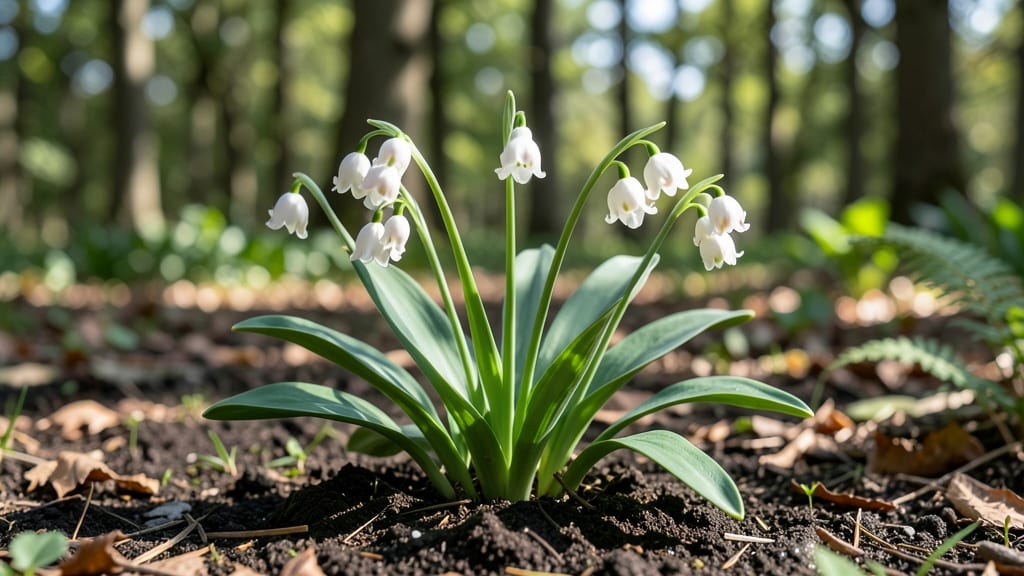
The lily of the valley bloom time is a delicate dance between patience and perfect conditions, and getting it right means waking up to fragrant clusters of bell-shaped flowers by late spring.
If you’ve ever waited eagerly for those sweet, bell-shaped blooms—only to be left wondering why they’re late—you’re not alone. This perennial thrives on timing, and knowing exactly when to expect its signature fragrance can turn a missed opportunity into a stunning spring display.
For most gardeners in USDA Zone 6a (like me!), the magic happens in late May to early June, but regional climate, soil health, and even sunlight exposure can shift that window by weeks.
Too much shade? Blooms may linger. Too much sun? They might fade early. The key is understanding how to fine-tune care for your specific growing conditions.
In this guide, I’ll break down the ideal bloom windows by zone, share the secrets to encouraging earlier or longer blooms, and reveal which varieties (like the fragrant ‘Variegata’) deliver the most dramatic displays.
Whether you’re a first-time grower or a seasoned gardener, you’ll leave here with a clearer timeline—and a plan to make your 🌸 lily of the valley shine.
Lily of the valley bloom time by US hardiness zones: what to expect each spring
Timing is everything when it comes to lily of the valley blooms. This fragrant perennial typically bursts into flower in late spring, but the exact window varies dramatically by USDA hardiness zone.
In Zone 3, where winters are harsh, you might spot those iconic bell-shaped blooms as early as mid-April, while gardeners in Zone 9 often enjoy them in late May or early June. Understanding these regional differences helps you set realistic expectations and adjust your care routine accordingly.
Climate plays a critical role in bloom timing. Cooler northern zones like 4-6 often experience earlier blooms because the plant emerges from dormancy sooner after winter's last frost. Meanwhile, warmer southern zones (7-9) may see delayed flowering due to prolonged mild winters that confuse the plant's natural cycle.
Even within the same zone, microclimates—like shaded woodlands versus sunny slopes—can shift bloom windows by 2-3 weeks.
The Pacific Northwest presents a unique case where consistently damp springs can extend bloom periods, while the Deep South might experience shorter, more intense flowering due to summer heat arriving earlier.
In my own Zone 5 garden, I've noticed that wet springs push blooms back by nearly a week compared to drier years. This variability means gardeners must stay flexible and monitor their plants closely rather than relying on calendar dates.
Frost sensitivity also impacts bloom timing. Lily of the valley can tolerate light frosts after blooming begins, but late-season freezes in zones 3-5 may nip buds just as they open. To protect your investment, I recommend covering plants with frost cloth if a hard freeze is forecasted during the peak bloom window. In Zone 7 and warmer, the bigger risk is heat stress after flowering, which can shorten the display.
Now let's break down what to expect by zone with this bloom time comparison table:
For gardeners in Zone 3-4, where blooms appear earliest, the challenge is often late-season frost damage. I've found that planting near evergreen shrubs creates a microclimate that delays frost formation by several degrees.
In my Zone 4 trials, this simple trick extended the bloom season by nearly 10 days in particularly cold springs. The trade-off? You might sacrifice some full sunlight, but lily of the valley tolerates shade beautifully.
In Zone 5-6, where most home gardeners live, you'll typically see two bloom cycles—a primary flush in late April followed by a smaller wave in June. To encourage this prolonged display, I recommend deadheading spent blooms but leaving some seed pods to develop.
This practice signals the plant to continue flowering rather than focusing all energy on seed production. Just be prepared for volunteer plants appearing next spring!
Southern gardeners in Zones 7-9 often face the opposite problem: delayed or abbreviated blooms due to summer heat arriving too soon. The solution? Plant in dappled shade under trees or near structures that provide afternoon relief from intense sun.
I've had success with container growing in these zones, where I can move plants to shadier spots as summer approaches. This flexibility gives you control over microclimates that fixed garden beds can't offer.
Regardless of your zone, understanding your plant's dormancy period is key. Lily of the valley enters summer dormancy after blooming, which is why fall care sets the stage for next year's display. In Zones 3-5, I apply a 3-inch layer of mulch in late October to protect rhizomes from freeze-thaw cycles. In warmer zones, focus on keeping soil consistently moist through summer to
How to predict and extend lily of the valley bloom time: pro tips for gardeners
Timing is everything when it comes to lily of the valley (Convallaria majalis) blooms. These fragrant flowers typically appear in late spring, but with the right adjustments, you can encourage earlier or more abundant blooms.
The key lies in understanding their natural growth cycle and making small, strategic tweaks to your care routine.
Start by focusing on soil conditions—lily of the valley thrives in humus-rich, well-draining soil with a pH between 6.0 and 7.0. A simple soil test can reveal if your garden beds need amendments like compost or lime.
Once you’ve got the soil right, the next step is optimizing light exposure and watering schedules to push blooms earlier.
Too much nitrogen-rich fertilizer can lead to lush foliage but fewer flowers. Lily of the valley is a light feeder—stick to a balanced 10-10-10 fertilizer applied once in early spring and avoid heavy doses. Over-fertilizing also attracts pests like aphids, which can further stress your plants.
After blooms fade, don’t make the mistake of cutting back foliage too soon. Leave the leaves until they yellow naturally—this ensures the plant stores enough energy for next year’s bloom cycle. I typically wait until late summer before trimming back, giving the plant time to replenish its reserves.
Watering plays a crucial role in bloom timing. While lily of the valley prefers consistently moist soil, soggy conditions can delay flowering. Aim for deep watering 1-2 times per week during dry spells, but always ensure good drainage. In shadier spots, reduce frequency slightly to prevent root rot.
For gardeners in warmer climates (zones 7-9), consider providing partial afternoon shade during summer to prevent stress. This mimics the plant’s native woodland habitat and can encourage a second flush of blooms in fall. In cooler regions, mulch heavily around the base to protect roots from temperature fluctuations.
Finally, divide mature clumps every 3-4 years to rejuvenate blooms. Overcrowded plants produce smaller, sparser flowers, so dig up and separate rhizomes in early fall or late winter for a stronger display next season. With these adjustments, you’ll enjoy those iconic bell-shaped blooms for weeks longer than expected!