
Blooming
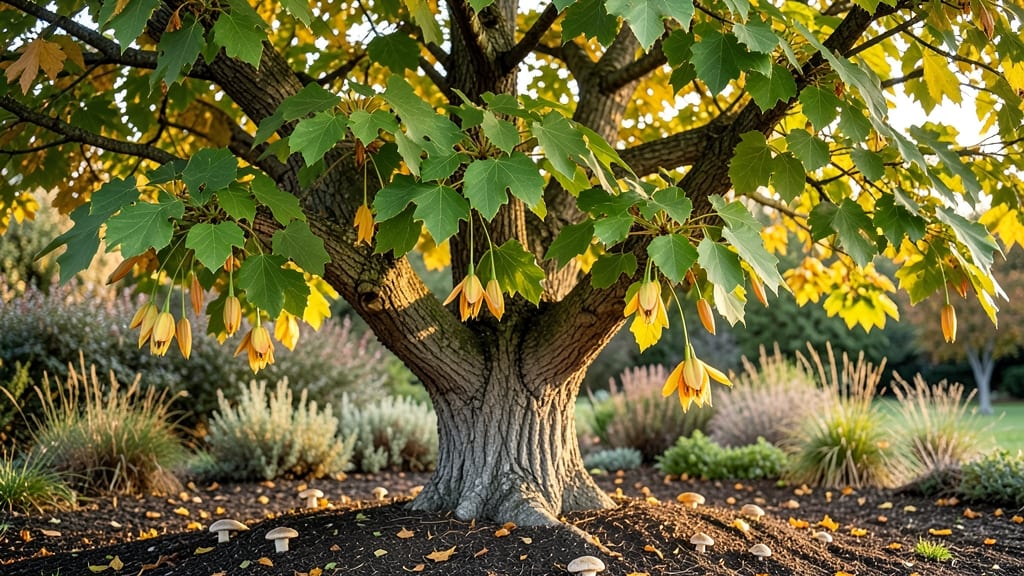
The tulip poplar bloom time arrives in late spring with those showstopping yellow flowers 🌳 — but the exact timing depends on where you live and how you care for your tree.
If you’ve ever admired the towering beauty of tulip poplars but wondered when those iconic fragrant flowers will finally appear, timing is everything.
In USDA Zone 6a, blooms typically grace gardens between April and early May, but warmer zones like 7–9 may see them as early as March, while colder regions like Zone 4 might delay until late May.
Climate plays a huge role: a chilly spring can push back blooms, while a mild winter might bring them earlier. Even sunlight and soil health factor in—too much shade or poor drainage can leave your tree struggling to flower at all.
Below, I’ll break down the precise bloom windows by zone, share how to spot early signs of flowers, and offer simple tips to encourage the best display possible in your yard.
Tulip poplar bloom time by USDA hardiness Zone: exact months & climate factors
The tulip poplar (Liriodendron tulipifera) is famous for its striking yellow tulip-shaped flowers, but bloom timing depends heavily on your USDA hardiness zone. In colder zones, flowers may appear as early as late April, while warmer climates see blooms by mid-March.
Understanding these patterns helps you plan landscaping and enjoy the tree’s fragrant display at its peak.
Climate factors like temperature fluctuations, frost dates, and spring rainfall can shift bloom windows by 2–4 weeks. For example, a late frost in Zone 5 might delay blooms until May, while consistent warmth in Zone 8 triggers earlier flowering.
Let’s break down the exact months and regional variations to help you predict when your tulip poplar will burst into color.
🌱 Key Takeaway: Tulip poplars bloom in late spring, but the exact timing varies by 1–2 months across the U.S. Use this guide to align your garden plans with your tree’s natural cycle.
In Zones 4–5, tulip poplars often wait until late April or May to bloom, as cold snaps and late frosts can damage emerging buds. For example, in Michigan or Vermont, gardeners should monitor frost forecasts closely—blooms may stall if temperatures dip below 32°F after buds form.
Warmer zones like 6–7 (e.g., Tennessee or Indiana) see blooms as early as mid-April, with peak fragrance lasting 2–3 weeks. Here, spring rainfall plays a critical role: consistent moisture encourages robust flower production, while drought stress can reduce bloom quantity.
Southern regions in Zones 8–9 (e.g., North Carolina or Alabama) experience the earliest blooms, often by March. However, heatwaves before bud set can cause buds to drop prematurely.
In Zone 10, such as Southern California, tulip poplars may bloom as early as late February, but their scent is often less intense due to milder climates.
Pro Tip: To encourage earlier blooms in cooler zones, mulch the base of your tree in early spring to insulate roots and promote warmth. Avoid heavy pruning in fall or winter, as this can stress the tree and delay next year’s flowers.
If you’re planting tulip poplars near other spring-blooming trees, like dogwoods or magnolias, time your selections to overlap bloom periods.
For instance, pairing a tulip poplar (Zone 6: mid-April) with a redbud (Zone 6: early April) creates a sequential color display that extends your garden’s visual appeal.
Remember, tree age also affects bloom timing. Younger trees (5–10 years old) may produce fewer flowers, while mature specimens (20+ years) offer abundant, fragrant blooms for 3–4 weeks. Patience pays off—once established, a healthy tulip poplar becomes a showstopper in late spring.
🌳 For gardeners in transition zones
How to predict your tulip poplar’s bloom time: signs & gardening tips
Predicting when your tulip poplar (Liriodendron tulipifera) will bloom can feel like guessing—until you learn its secret signals. These trees typically flower in late April to early June, but exact timing depends on climate, tree age, and care habits.
By watching for leaf bud swell and sap flow, you can forecast blooms 2–4 weeks in advance and adjust your gardening routine accordingly.
Start by examining the terminal buds in late winter. Healthy buds will begin swelling in February or March, signaling the tree’s readiness to bloom. If your tree is mature (10+ years old), it may produce more abundant flowers than younger specimens.
Younger trees often delay flowering until they reach 15–20 feet tall, so patience is key for those with saplings.
⚠️ callout warning ⚠️
- Over-pruning: Cutting back more than 25% of branches in late winter can shock the tree and delay flowering.
- Poor soil drainage: Waterlogged roots stress the tree, causing it to prioritize survival over blooming.
- Lack of sunlight: Tulip poplars need 6+ hours of direct sun daily—shade reduces flower production.
- Excessive fertilizer: Too much nitrogen promotes leaf growth at the expense of flowers.
To encourage earlier blooms, focus on soil health and pruning timing. Tulip poplars thrive in well-draining, slightly acidic soil (pH 5.0–6.5). Amend heavy clay with organic matter like compost or peat moss to improve drainage.
In early spring, apply a balanced fertilizer (10-10-10) to provide nutrients without overloading the tree.
Pruning plays a critical role in bloom timing. Avoid heavy pruning in late winter, as this is when the tree sets its flower buds. Instead, prune lightly in late fall or early winter to remove dead or crossing branches.
This minimal approach reduces stress and allows the tree to focus energy on flower production rather than regrowing lost foliage.
Watch for sap flow in early spring—a sure sign blooms are near. Tap a branch gently; if clear sap drips, the tree is actively pushing nutrients upward, typically 2–3 weeks before flowering.
Pair this with leaf bud swell (buds will look plump and green), and you’ve got a 2-week countdown to those fragrant yellow blooms.
For gardeners in cooler climates (USDA Zones 4–6), blooms may arrive slightly later due to slower sap flow. In warmer zones (7–9), tulip poplars often bloom as early as March.
To extend the bloom period, plant companion species like azaleas or dogwoods, which flower at slightly different times, creating a sequential spring display.