
Blooming
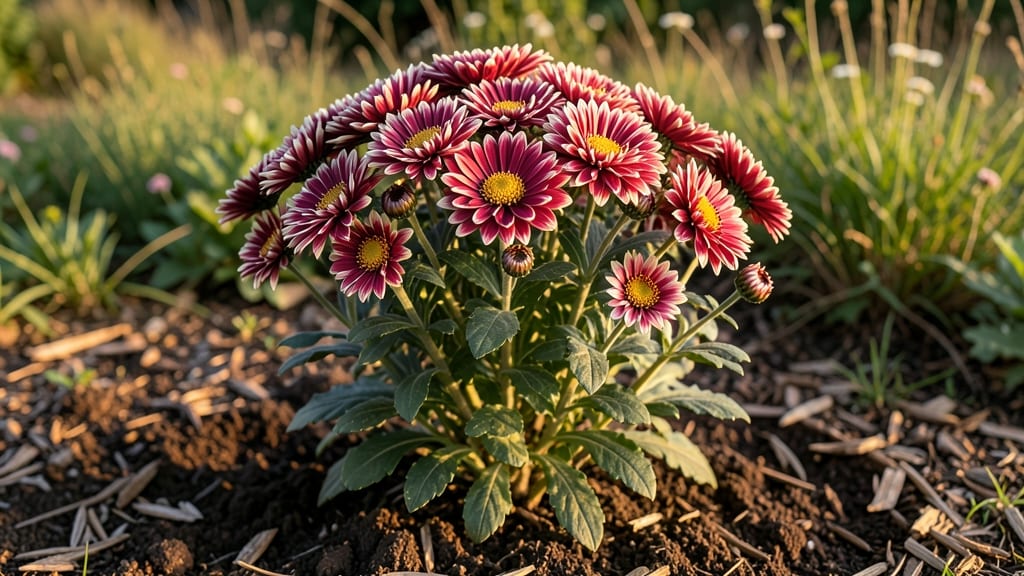
The chrysanthemum bloom time in late summer through fall can turn your garden into a vibrant seasonal masterpiece 🌼 when timed right.
If you’ve ever wondered why your chrysanthemums refuse to bloom when you expect them—or how to time your garden for stunning fall color—understanding their bloom cycles is key. The right variety and planting zone can shift bloom windows by months, turning a missed opportunity into a seasonal showstopper.
In Zone 6a, where spring planting is ideal, most chrysanthemums burst into color between September and October, but early varieties like ‘Bonanza’ can start as early as August. Meanwhile, late bloomers like ‘Dynasity’ might linger until November, depending on frost dates.
Discover how to adjust bloom times with simple pruning tricks, choose the best varieties for your climate, and plan your garden layout to maximize their fall display—without the guesswork.
Chrysanthemum bloom time by US planting Zone: month-by-month guide
Chrysanthemums are nature’s fall superstars, but their bloom timing varies dramatically across USDA planting zones. The key? Daylight hours and frost dates trigger their flowering cycle. In Zone 3, expect blooms as early as late August, while Zone 10 gardens may still see flowers in December.
Understanding these patterns helps you choose varieties that align with your local climate and extend your garden’s color palette well into winter.
Most chrysanthemums are short-day plants, meaning they bloom when daylight shrinks below 12–14 hours. This explains why late summer to early winter is their prime time.
However, some early-blooming varieties (like ‘Bonanza’) can push flowers to September in cooler zones, while tropical varieties (like ‘Dynasity’) may wait until November in warmer areas. Let’s break down what to expect in your zone.
Pro Tip: Use your average first frost date as a guideline. Plant 6–8 weeks before frost for optimal bloom timing, and choose varieties with 30–60 days to maturity from transplanting. For example, in Zone 5, a September 1 frost means planting by mid-July for fall color.
In Zones 3–4, where frost arrives by October 1, focus on early-blooming varieties like ‘Bonanza’ or ‘Bright Lights’. These 30–45-day bloomers ensure color before the cold sets in.
My Zone 4 garden thrives with these varieties planted by mid-July, giving them enough time to establish roots and flower before frost.
For Zones 5–6, where frost lingers until mid-November, you can extend the season with mid-to-late varieties. ‘Coca-Cola’ and ‘Polar Bear’ are 50–60-day bloomers that push flowers into October and November.
Pair them with hardy annuals like pansies for a longer fall display. I’ve seen ‘Polar Bear’ still blooming in Zone 5 gardens through early December with a little protection.
Warmer Zones 7–10 offer the longest bloom windows, often stretching into winter. Here, ‘Dynasity’ series varieties shine, with some blooming from October through January. In Zone 9, I’ve grown ‘Yellow Doll’ chrysanthemums that bloomed through Christmas with minimal
How to adjust chrysanthemum bloom time: pruning, light, and variety hacks
Want to extend your chrysanthemum blooms into November or coax early flowers for a Halloween display? The secret lies in light manipulation, pruning timing, and variety selection. Unlike many flowers, chrysanthemums are photoperiod-sensitive, meaning their blooming triggers depend on daylight hours rather than temperature.
With the right techniques, you can shift their bloom window by 4-6 weeks—either earlier or later—without chemicals.
For example, ‘Coca-Cola’ chrysanthemums naturally bloom in late September, but with strategic pruning, gardeners in Zone 7 have pushed blooms to mid-October. Meanwhile, varieties like ‘Mammoth’ can be coaxed into earlier blooms by reducing daylight exposure in summer.
Let’s break down the three most effective methods to control your chrysanthemum’s bloom timing.
Adjusting Bloom Time: Pros & Cons
Early Blooms (Advance Timing)
- Pros: Extend fall color, perfect for Halloween displays
- Pros: Avoid early frost damage to blooms
- Cons: Requires strict light control (blackout covers)
- Cons: May reduce bloom size or quantity
Late Blooms (Delay Timing)
- Pros: Push blooms into winter holidays
- Pros: Works well for cut flower production
- Cons: Risk of bud drop in cold snaps
- Cons: Needs consistent pruning every 2-3 weeks
Light Manipulation
- Pros: Non-invasive, chemical-free method
- Pros: Works for all varieties
- Cons: Requires daily attention (12+ hours)
- Cons: Needs blackout fabric or grow lights
Variety Selection
- Pros: Permanent solution for desired timing
- Pros: No ongoing maintenance required
- Cons: Limited to specific cultivars
- Cons: May not suit local climate
To advance blooms, start with light deprivation. Chrysanthemums need 12+ hours of darkness daily to trigger flowering. In late July, cover plants with blackout fabric or a lightproof box from 6 PM to 8 AM for 2-3 weeks.
This mimics shorter days and fools the plant into thinking it’s fall. For gardeners in Zone 5, this can shift blooms from October to early September.
For delayed blooms, use pinching back every 2-3 weeks starting in June. Remove the top set of leaves above a leaf node to encourage bushier growth and later flowering.
Pair this with reduced fertilizer in summer to slow growth. ‘Dynasity’ varieties respond exceptionally well, often blooming 3-4 weeks later than unpruned plants.
Choosing the right variety is equally critical. Early bloomers like ‘Bonanza’ (Zone 5-9) naturally flower in late August, while late bloomers such as ‘Mammoth’ (Zone 6-10) hold onto blooms until November.
If you’re in Zone 8 and want Christmas flowers, opt for ‘Dynasity’ or ‘Coca-Cola’—both thrive with minimal light tweaks.
Pro tip: Combine methods for maximum control. For example, pinch back ‘Mammoth’ chrysanthemums in June, then use light deprivation in August to delay blooms until December. Just remember, consistency is key—skipping a pruning or light session can reset the bloom cycle entirely.
With practice, you’ll master the art of timing chrysanthemum blooms to match any event or season.