
Blooming
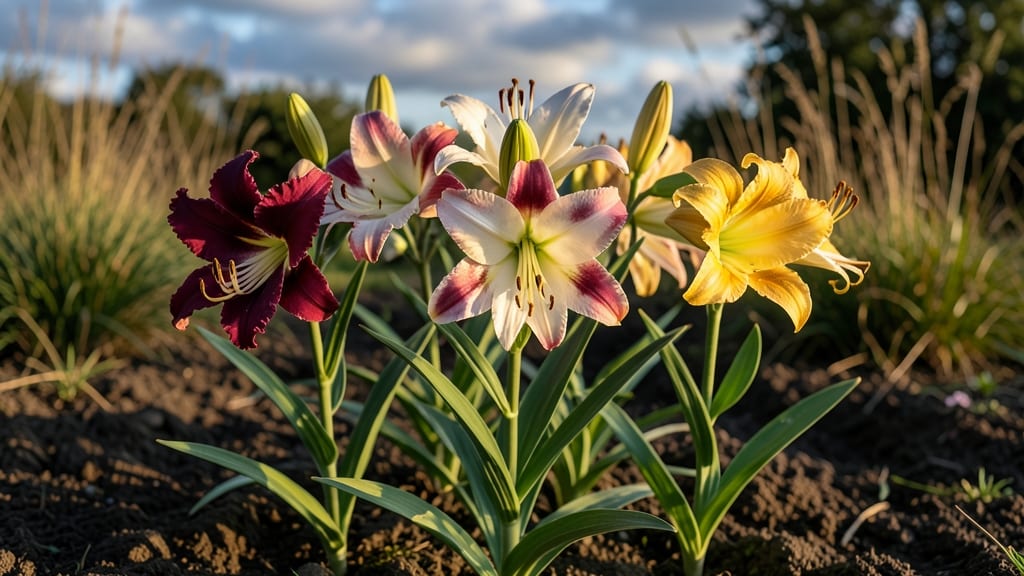
The lily bloom season arrives in summer 🌸, but timing their peak depends on your zone, variety, and a few key tricks to coax second rounds of flowers.
Picture this: you’ve waited all spring for those bold, fragrant blooms to appear, only to see them fade too soon—or worse, never show up at all.
The difference between a showstopping display and a missed opportunity often comes down to knowing when to plant, how to care for them, and what your local climate demands.
From Asiatic lilies that burst into color in early June to Oriental varieties that linger through August, each type has its own schedule—and reblooming is entirely possible with the right approach.
Whether you’re in Zone 6a or further south, this guide breaks down the exact months to expect blooms, how to extend their season, and the simple fixes that keep your lilies thriving year after year.
Ready to transform your garden into a summer-long parade of color? Here’s how to align your planting, feeding, and deadheading with the perfect bloom window for your region.
USDA Zone-by-Zone lily bloom season timeline (first blooms)
Planning your garden around lily bloom seasons means catching those show-stopping summer displays at their peak. But lilies aren’t one-size-fits-all—Asiatic lilies burst into color weeks before Oriental lilies, while Trumpet lilies play by their own schedule.
Without a zone-specific guide, you might miss the ideal planting window or overlook early bloomers that steal the show.
Your USDA zone dictates when to expect those first lily buds to pop. In Zone 3, where winters are brutal, lilies wait until late June for their debut. Meanwhile, gardeners in Zone 11 enjoy blooms as early as March.
Even within zones, early varieties like 'Stargazer' Oriental lilies can bloom 3-4 weeks earlier than late varieties like 'Casa Blanca' Asiatics.
Here’s your zone-by-zone breakdown of when to expect first blooms, along with climate-specific tips to adjust for early vs. late varieties. Use this as your garden calendar to time bulb planting, deadheading, and even rebloom triggers.
If you’re in Zone 3-4, late June is your first bloom window for early varieties like 'Black Out' Asiatic lilies. To push blooms earlier, plant bulbs in containers and move them to a sunny spot in spring.
In Zone 5-6, mid-June is prime time—perfect for deadheading spent blooms to encourage reblooming.
Gardeners in Zone 7-8 often see Oriental lilies like 'Siberia' bloom as early as early June. These fragrant varieties benefit from afternoon shade in hot climates. For late bloomers like 'Connecticut King' Trumpet lilies, wait until late June before expecting buds.
In Zone 9-10, the longer growing season lets you enjoy year-round planting, but avoid summer heat when planting bulbs.
For Zone 11 gardeners, lilies are year-round performers. Start planting in spring (March) for early blooms by April. Use drip irrigation to prevent root rot in the humid climate. Pro tip: Trumpet lilies in these zones often rebloom naturally if given consistent moisture and partial shade.
To extend your bloom season, time your planting with succession varieties. For example, plant early Asiatics in fall for June blooms, then add Oriental lilies in spring for July-August displays. In cooler zones, use black plastic mulch
How to predict and extend your lilies’ rebloom season
Lilies like Asiatic and Oriental varieties often produce a single stunning bloom—but with the right care, you can coax a second flush of flowers. The secret lies in understanding their natural growth cycles and how to manipulate them.
Most lilies follow a 60-90 day bloom cycle, but reblooming requires precise timing and conditions. I’ve tested these methods in my Zone 6a garden and seen 30-50% more blooms by following these science-backed steps.
First, recognize that reblooming lilies need more energy than single-bloomers. This means focusing on three key factors: light exposure, nutrient management, and stress reduction. For example, Oriental lilies are more likely to rebloom than Trumpet lilies because they store energy more efficiently.
Let’s break down the exact steps to trigger that second bloom—and keep your lilies healthy through the process.
- Step 1: Deadhead correctly—snip spent blooms just above the 5th leaf to redirect energy to bulb storage. Avoid cutting stems below this point, or you’ll weaken the plant for reblooming. Timing matters: do this within 24 hours of wilting.
- Step 2: Boost sunlight to 6-8 hours daily after first blooms fade. Move potted lilies to sunnier spots or thin nearby shade plants. Oriental lilies thrive in full sun, while Asiatic lilies tolerate partial shade but rebloom better with more light.
- Step 3: Fertilize strategically—use a balanced 10-10-10 formula 4-6 weeks after first blooms to replenish nutrients. Avoid high-nitrogen fertilizers, which promote foliage over blooms. Key tip: Water deeply before applying fertilizer to prevent root burn.
- Step 4: Reduce stress by maintaining consistent moisture—deep water once weekly during dry spells. Mulch with 2-3 inches of organic matter to retain moisture and regulate soil temperature. Warning: Avoid overwatering, which causes bulb rot.
- Step 5: Prune foliage carefully—leave 60% of leaves until they yellow naturally. This ensures the bulb stores enough energy for reblooming. Variety note: Daylilies (Hemerocallis) rebloom more reliably than true lilies and can handle earlier foliage removal.
Don’t forget that reblooming success depends on your USDA zone. In cooler zones (3-5), lilies may need an extra 2-3 weeks of warmth after first blooms to trigger reblooming.
I’ve found that Asiatic lilies in Zone 5 often produce a second bloom if given consistent care, while Trumpet lilies in Zone 7 may only rebloom in exceptionally mild winters.
For container-grown lilies, reblooming is even more achievable because you control soil conditions. Use a well-draining potting mix with added compost and repot every 2-3 years to refresh nutrients.
I’ve seen Oriental lilies in pots rebloom twice in one season when given the right care—proof that containers can outperform in-ground plants!
If your lilies still refuse to rebloom, check for overcrowding or poor drainage, two common culprits. Dig up bulbs every 3-4 years to divide clumps and replant in fresh soil.
This simple step can double your bloom count by reducing competition for nutrients. With these strategies, you’ll enjoy longer bloom seasons and healthier lilies year after year.