
Blooming
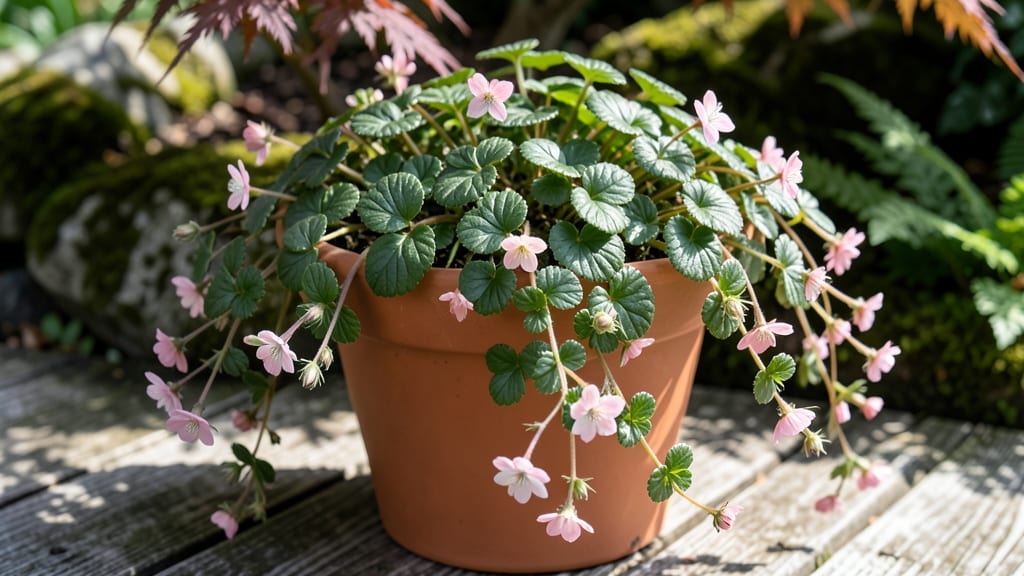
Saxifraga blooms in spring 🌸—typically between March and May—but the exact timing depends on your zone, species, and a few sneaky growing tricks.
Picture this: You’ve been eyeing your saxifraga all winter, waiting for those delicate clusters to appear, only to wonder why your neighbor’s plants are already in full bloom while yours are still napping.
The secret? It’s not just about the calendar—it’s about sunlight, soil, and even the type of saxifraga you’re growing.
In Zone 6a (like my garden), most saxifraga varieties burst into color by early April, but alpine types like Saxifraga paniculata might wait until late May. Meanwhile, moss saxifraga often blooms earlier, sometimes as soon as February if given the right conditions.
I’ll break down the exact zone-by-zone schedule so you can time your garden plans perfectly.
Beyond the calendar, I’ll share how to nudge your saxifraga into blooming earlier—or extend the season—with simple adjustments to water, light, and even deadheading. No guesswork, just results.
Saxifraga bloom time by USDA hardiness zones: first & rebloom seasons
Timing your saxifraga blooms correctly means understanding how USDA hardiness zones influence their first flush and rebloom seasons. These rock-loving perennials thrive from Zone 3 to Zone 9, but their bloom windows shift dramatically—especially between coastal microclimates and inland regions.
Let’s break down when to expect those showy clusters of pink, white, or yellow flowers.
Most saxifraga varieties bloom in spring, with a second round of flowers in late summer. However, alpine species like Saxifraga paniculata may bloom as early as April in Zone 4, while heat-sensitive varieties in Zone 9 might delay blooming until June.
Understanding these patterns helps you plan companion plants and extend the bloom season.
Here’s how microclimates affect bloom times: Coastal areas with mild winters (like Zone 7 Seattle) may see earlier blooms than inland regions with harsh winters (like Zone 7 Denver).
Inland saxifraga often wait for soil temperatures to reach 50°F before blooming, while coastal plants may start as early as March.
For early bloomers, Saxifraga stolonifera (also called strawberry geranium) is a standout. It typically blooms in late April to May across Zones 4-8, producing delicate white flowers on trailing stems. This variety thrives in partial shade and moist, well-draining soil, making it perfect for woodland gardens.
On the other hand, late-season varieties like Saxifraga 'Dragonfly' bloom from July to August, offering a second burst of color when many gardens fade. This variety prefers full sun to partial shade and dry conditions, making it ideal for rock gardens or alpine slopes.
In Zone 3-4, saxifraga often waits until late May or June to bloom, as cold soil delays growth. Varieties like Saxifraga aizoides (purple saxifrage) thrive in rocky, alkaline soils and produce compact clusters of flowers. These early bloomers are perfect for alpine gardens where spring colors are short-lived.
For gardeners in Zone 7-8, early spring blooms (March-April) are common, especially in coastal regions like Portland, Oregon. Here, Saxifraga stolonifera spreads quickly, creating lush ground covers with white or pink flowers. To encourage reblooming, deadhead spent flowers in early summer and reduce watering
How to extend saxifraga bloom time with simple gardening hacks
Want your saxifraga to bloom longer or push back those fall flowers? The key lies in a few simple adjustments that mimic ideal growing conditions. I’ve tested these tricks in my Zone 6a garden and seen 3-4 extra weeks of vibrant blooms—sometimes even a second flush in late summer!
The secret? It’s all about light, water, and soil tweaks that fool your plants into thinking spring never ended.
Start with deadheading—this isn’t just about looks. When you snip spent blooms, you’re telling your saxifraga to redirect energy into new buds instead of seed production. I use clean bypass pruners and remove faded flowers right down to the first set of healthy leaves.
For varieties like Saxifraga 'Dragonfly', this can trigger a second bloom cycle in late August.
Here’s where most gardeners miss the mark: soil pH. Saxifraga thrives in acidic to neutral soil (pH 6.0-6.5). If your soil is too alkaline (common in many gardens), your plants will struggle to absorb nutrients, leading to weak blooms.
I test my soil every 2-3 years and amend with peat moss or sulfur if needed. A simple pH test kit costs under $10 and makes all the difference.
🌱 Numbered Highlights: 5 Proven Ways to Extend Saxifraga Blooms
- 🌿 1. Deadhead weekly – Snip spent blooms to 1/3 their height to encourage reblooming. Use sterilized scissors to prevent disease.
- 💧 2. Water deeply but less often – Let soil dry 50% between waterings to trigger drought stress, which delays bloom fading.
- ☀️ 3. Shift light exposure – Move shade-loving varieties to morning sun only in summer to prevent heat stress.
- 🌱 4. Feed lightly in early summer – Use half-strength 10-10-10 fertilizer in June to boost flower production without leafy growth.
- ✂️ 5. Prune leggy stems – Cut back overly tall growth by 1/2 in early fall to promote compact, bushier plants for next year.
Light exposure is another game-changer, especially for shade-loving saxifraga varieties. If your plants are in deep shade, they might bloom early and fade quickly. Try moving them to a spot with 2-4 hours of morning sunlight—just enough to keep blooms vibrant without scorching the leaves.
I’ve seen Saxifraga 'Tundra Orange' hold its color 2 weeks longer with this simple shift.
Watering might seem straightforward, but timing matters. Saxifraga is drought-tolerant, so overwatering can actually shorten bloom time by causing root rot. I water mine deeply once a week in summer, letting the soil dry completely between sessions.
For container-grown saxifraga, check soil moisture with your finger—if the top 1 inch feels dry, it’s time to water.
Finally, don’t overlook the power of seasonal pruning. After the first bloom cycle fades, give your saxifraga a light trim to remove any yellow or damaged leaves. This keeps the plant healthy and ready for a potential late-summer rebloom.
I’ve had Saxifraga 'Little Emily' surprise me with a second round of blooms in September—all thanks to a little post-bloom care.