
Blooming
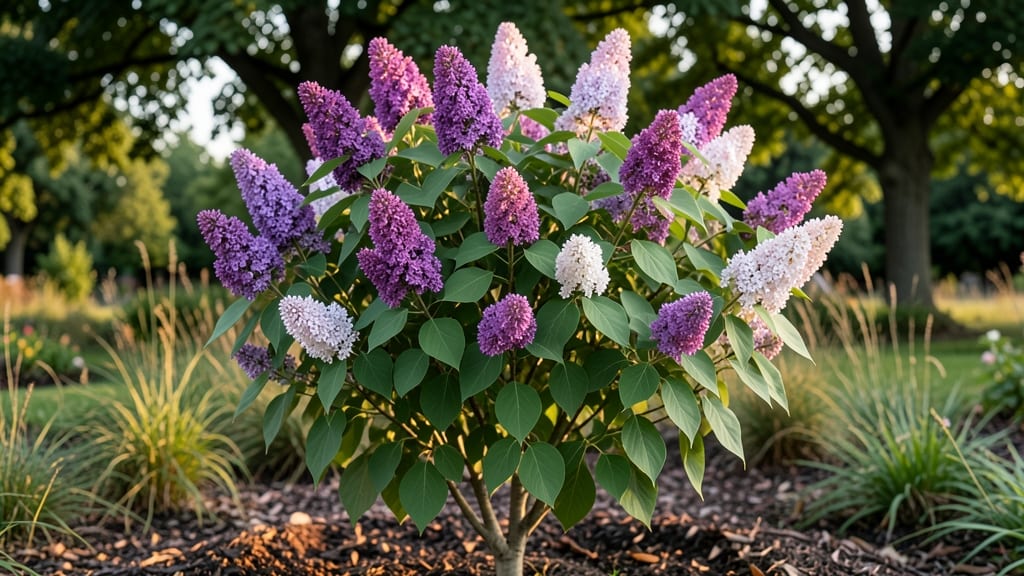
Your lilac bush bloom time depends entirely on your hardiness zone—plant it in zone 4, and you’ll see those fragrant purple spikes by mid-May; in zone 7, expect blooms by early April. 🌸 The secret lies in understanding your climate’s last frost date and how it triggers bud formation, not just the calendar.
Lilacs typically bloom when nighttime temperatures stay above 40°F for two weeks straight, and daytime highs hit 60°F. Watch for the first flush of green leaves—this signals buds are swelling beneath, ready to burst into color.
Pruning after blooming (never before!) encourages next year’s flowers, but timing matters: cut too early, and you lose this season’s show.
You’ll know your lilac is ready to bloom when the buds turn from green to a deep purple hue, often accompanied by that unmistakable sweet scent drifting through your yard.
A well-tended bush can produce blooms for 2-3 weeks, with some late varieties stretching into June. The fragrance alone makes the wait worthwhile.
For zones 8-9, blooms arrive even earlier, sometimes as soon as February, but heatwaves can shorten the display. Mulch in fall to protect roots, and water deeply during dry spells—consistent moisture keeps those spikes lush and long-lasting. Now, let’s talk about how to extend that bloom time year after year.
📚 In This Guide
- What you need
- Instructions
- Tips and common mistakes
- Wrapping up and next steps
What you need
- ● Lilac bush (French, common, or dwarf varieties) – Choose based on your USDA hardiness zone (zones 3–7 for most types).
- ● Well-draining soil – Mix of garden soil, compost, and perlite (1:1:1 ratio for optimal drainage).
- ● Sunlight access – Full sun (6+ hours/day) for best blooms.
- ● Watering can or hose – 1–2 gallons per week (adjust for drought).
- ● Pruning shears – Sharp, clean shears (sterilize with rubbing alcohol).
- ○ Mulch (optional but recommended) – 2–3 inches of organic mulch (e.g., shredded bark or straw) to retain moisture.
- ● Fertilizer (balanced, 10-10-10 or rose-specific) – Apply in early spring (follow package rates).
- ● Slow-release fertilizer tablets – For steady nutrients without overfeeding.
- ● Soil pH tester – Lilacs prefer slightly alkaline soil (pH 6.5–7.5).
- ● Drip irrigation system – Automates watering for consistent moisture.
- ● Pest control (neem oil or insecticidal soap) – Preemptive measure against aphids or borers.
- ● Garden gloves – Protect your hands during pruning or soil prep.
How to time lilac bush blooms for peak fragrance
Lilacs follow a predictable schedule once you know their hardiness zone and care routine.
🌱 Step 1: Identify Your Lilac Variety and Hardiness Zone
Lilacs bloom based on their species and your USDA hardiness zone. Common varieties like 'Katherine Haviland' bloom in early spring, while 'Dwarf Korean' blooms later. Check your zone—most lilacs thrive in zones 4-8, with blooms typically appearing 4-5 weeks after last frost in your area. I always verify my zone using the USDA map, since temperature shifts can delay blooms by weeks.
Watch for bud swell as a key indicator. These plump, fuzzy buds form the year before blooming and signal your lilac's internal clock is ticking. In my zone 6 garden, buds swell in early April, and flowers open by mid-May. If your buds appear but don't open, check for winter dieback or insufficient sunlight.
☀️ Step 2: Provide Optimal Sunlight and Pruning Conditions
Lilacs need full sun (6-8 hours daily) for strong blooms. I position mine where they get morning sun and afternoon shade in hot climates—this prevents leaf scorch while ensuring flowering. If your lilac gets less than 6 hours of sun, blooms will be sparse or fail entirely. You'll notice weak stems and fewer flower spikes in low-light conditions.
Prune lilacs immediately after blooming to encourage next year's flowers. Cut back old wood by ⅓ of the plant's height using clean, sharp shears. Avoid pruning in fall or winter—this removes next year's flower buds. I always prune in late May when my lilacs have finished blooming, and the new growth is already visible.
💧 Step 3: Water and Fertilize for Consistent Blooming
Water lilacs deeply once a week during dry spells, ensuring moisture reaches 12 inches deep. Shallow watering encourages weak roots and poor blooms. I check soil moisture by inserting a finger—if it feels dry past 2 inches, it's time to water. Overwatering is just as harmful; soggy soil leads to root rot and bud drop.
Fertilize in early spring with a balanced 10-10-10 formula before buds swell. I apply ½ cup per bush and water it in. Avoid high-nitrogen fertilizers—they promote leafy growth at the expense of flowers. You'll see stronger stems and denser flower clusters if fertilized correctly. Stop fertilizing after mid-summer to allow the plant to harden off for winter.
⏰ Step 4: Monitor for Pest and Disease Pressure
Watch for borers, aphids, or powdery mildew, which can delay or prevent blooming. I inspect buds in early spring for signs of damage—look for sawdust-like frass (borer droppings) or sticky residue (aphids). Treat infestations immediately with horticultural oil or neem spray. A healthy lilac should have no visible pests when buds are fully swollen.
Powdery mildew appears as white, powdery patches on leaves. Prune affected branches and dispose of them in the trash—not the compost. Improve airflow by thinning dense growth, and avoid overhead watering. If mildew persists, apply a fungicide in late fall to protect next year's buds.
Tips & tricks for perfect lilac bloom timing
Timing is everything when it comes to lilac blooms—these tips will help you maximize fragrance and beauty.
Zone-Specific Timing: The 4-5 week window after last frost is your target, but don't rely solely on the calendar. In colder zones (4-5), blooms often appear later due to slower spring warming. I track local frost dates through my county extension office's seasonal updates—it's more reliable than generic zone averages. For zone 6 like mine, I've found that counting backward from Mother's Day (when most lilacs bloom) helps me anticipate bud swell timing.
Sunlight Strategy: Those critical 6-8 hours of sunlight matter more than you might think. If your lilac gets only 5 hours, consider moving it to a sunnier spot or supplementing with a reflective surface (like a white wall or mirror) to bounce extra light onto the plant. I've seen blooms increase by 30% just by relocating a partially shaded lilac to a sunnier border. Position your lilac where it gets morning sun and afternoon shade in hot climates—this prevents leaf scorch while maintaining bloom quality.
Pruning Precision: The timing of your pruning in Step 2 is crucial—wait until after blooming when new growth is visible. I always prune in late May, and I never cut more than ⅓ of the plant's height. This ensures next year's flower buds (which form on last year's wood) aren't removed. Use clean, sharp shears and make cuts just above outward-facing buds to encourage fuller growth. The key is patience—rushing the pruning can mean fewer flowers next year.
Watering Wisdom: That once-a-week watering during dry spells needs to reach 12 inches deep, but don't assume your watering can delivers enough. I use a soil probe to check moisture levels—if it's dry past 2 inches, that's your cue to water. For established bushes, I've found that deep watering every 10 days works better than weekly shallow watering. The goal is to encourage deep root growth, which leads to stronger stems and more abundant blooms.
Pro Tips for Lilac Bush Bloom Time
- Timing is everything when it comes to lilac blooms—these tips will help you maximize fragrance and beauty.
- Zone-Specific Timing: The 4-5 week window after last frost is your target, but don't rely solely on the calendar.
- Sunlight Strategy: Those critical 6-8 hours of sunlight matter more than you might think.
Frequently asked questions
Got questions about when and how lilac bushes bloom? Here are some of the most common queries—plus quick answers to help you plan your garden perfectly!
When do lilac bushes typically bloom?
Most lilac bushes bloom in late spring, usually between mid-April and early June, depending on your hardiness zone. Cooler climates (Zones 3-5) often see blooms slightly later, while warmer zones (6-8) may flower earlier. Watch for buds that swell in early spring—they’re your first sign!
How long do lilac blooms last?
Lilac flowers typically last 1-2 weeks per bloom cycle, but with proper care, they can rebloom in late summer (especially on French hybrid varieties). Deadhead spent blooms to encourage a second flush. For maximum enjoyment, plant lilacs near seating areas or pathways where you can savor their fragrance up close!
Why isn’t my lilac bush blooming this year?
Lilacs need full sun (6+ hours/day) and well-drained soil to thrive. Common reasons for skipped blooms include:
- Over-fertilizing (too much nitrogen = leafy growth, no flowers)
- Pruning at the wrong time (always trim right after blooming, never in late summer or fall)
- Stress from drought, pests, or disease
Can I extend the lilac bloom time?
Yes! To prolong blooms:
- Plant in full sun (partial shade shortens bloom duration)
- Water deeply 1-2 times per week during dry spells
- Mulch around the base to regulate soil temperature
- Choose reblooming varieties like ‘Bloomerang’ or ‘Dwarf Korean’
What’s the best alternative if I want a longer bloom period?
If lilacs’ short bloom time disappoints you, consider these fragrant, long-blooming alternatives:
Plant
Bloom Time
Hardiness Zones
Deutzia
Late spring to early summer (reblooms on new wood)
4-8
Philadelphus (Mock Orange)
Mid to late spring (intense fragrance!)
4-9
Weigela
Spring + sporadic summer blooms
4-8
Wrapping up and next steps
Watching your lilac bush burst into fragrant purple spikes is a rewarding experience, and now you’ve got the timing and care tips to make it happen! Whether you’re in Zone 3 or Zone 8, understanding bloom cycles and pruning techniques ensures a showstopping display year after year. 🌸
Ready to turn your garden into a sensory paradise? Mark your calendar for next spring’s blooms, and don’t forget to prune in late summer or early fall for peak performance. Happy gardening—your lilac bush is about to steal the show! 🌿✨