
Blooming
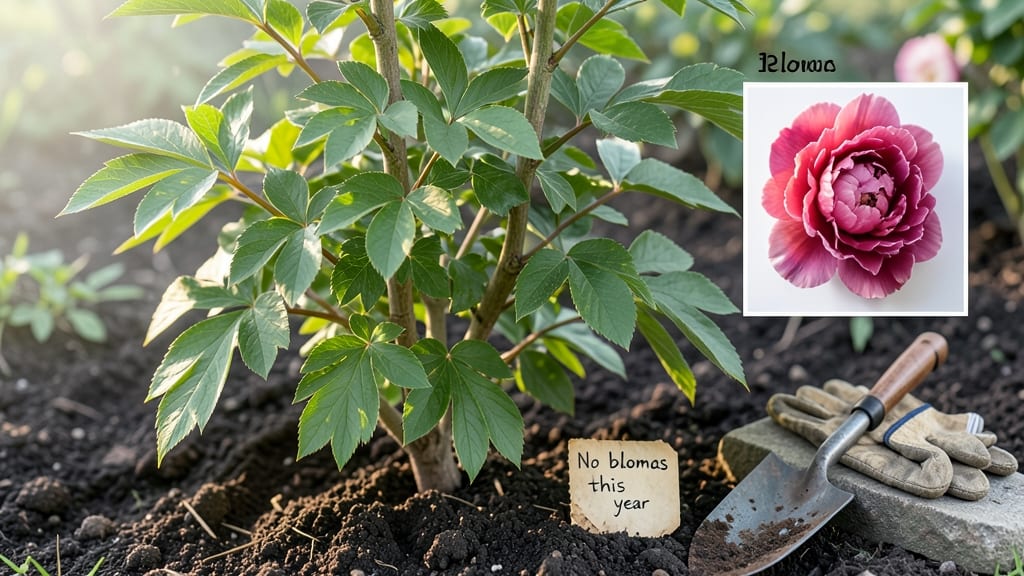
Peonies didn't bloom this year? I’ve been there—staring at lush green foliage where I expected clouds of fragrant blooms. 🌸 The good news? Most peonies just need a little nudge to rebound spectacularly next season, and it’s usually simpler than you think.
First, rule out the big three: sunlight, age, and pruning. Peonies need 6+ hours of direct sun daily, and if they’re over 5 years old, they might be resting (yes, they take a break sometimes!).
Then there’s pruning—cutting too late or too aggressively can delay blooms for a full year.
Next season, focus on three key triggers: prune right after blooming (never in fall!), feed with low-phosphorus fertilizer (too much phosphorus = fewer blooms), and avoid overwatering. With these adjustments, you’ll see buds forming by late spring—and they’ll be bigger than ever.
Bonus: If your peonies are young, give them patience. First blooms often appear in year 3 or 4, but once they start, they’ll reward you for decades. Let’s troubleshoot your specific situation next!
Root Causes Behind Late Blooms
Peonies are the crown jewels of spring gardens—lush, fragrant, and utterly reliable (when they’re happy). But when they skip their grand debut, it’s usually due to a mix of environmental stress, cultural mismanagement, or biological quirks.
Let’s dig into the top scientific reasons your peonies played hooky this year, so you can troubleshoot and bring them back to full bloom next season.
Peonies are hardy perennials, but they’re also dormant-dependent. To trigger flowering, they need a cooling-off period—typically 600–1,000 hours below 45°F (7°C)—during winter. Without enough chill, buds stay dormant, and blooms never form.
Why it happens:
- Mild winters (like those caused by climate change) can deprive peonies of critical cold exposure.
- Urban heat islands (cities with lots of pavement/concrete) raise soil temps, reducing chill accumulation.
- Late frosts or warm spells in winter can disrupt dormancy cycles.
Actionable fix:
- Plant peonies in northern exposures (or at least partial shade) to maximize chill exposure.
- Use mulch (4–6 inches of straw or wood chips) to insulate roots and maintain cooler soil temps.
- If your area has consistently warm winters, consider herbaceous peonies (they tolerate heat better than tree peonies).
Peonies are low-maintenance divas—they thrive on neglect but hate excess nitrogen. When you overfeed them, they prioritize leafy growth over flowers, leaving you with a lush but barren plant.
Why it happens:
- High-nitrogen fertilizers (like lawn food) promote foliage at the expense of blooms.
- Fresh manure or compost can also overstimulate growth, delaying or preventing flowering.
- Overwatering + rich soil creates a "feast" scenario, where the plant grows but doesn’t bloom.
Actionable fix:
- Skip spring fertilizers—peonies store enough nutrients from last season.
- If soil is poor, use a balanced, low-nitrogen fertilizer (5-10-10) in early spring or late summer (never after June).
- Avoid compost piles nearby—they can "burn" peony roots with too much organic matter.
Peonies have a delicate "eyes" (buds) that must sit just below the soil surface (1–2 inches deep). If buried too deep, they struggle to bloom. Similarly, overcrowded roots compete for resources, stunting flower production.
Why it happens:
- Improper planting depth (common when using peat pots or burying too much stem).
- Not dividing clumps every 3–5 years (roots spread aggressively).
- Competing plants (like aggressive grasses or weeds) stealing nutrients.
Actionable fix:
- Replant if needed: Dig up, trim dead roots, and ensure the eyes are 1–2 inches below soil.
- Divide in early fall: Split clumps when roots are 3–4 inches long, replanting immediately.
- Mulch heavily (3–4 inches) to suppress weeds and retain moisture without smothering buds.
Peonies are drought-tolerant once established, but water stress—whether from drought or soggy soil—can halt bloom production.
Why it happens:
- Underwatering causes buds to dry out before opening.
- Overwatering (especially in clay soil) leads to root rot, starving the plant of energy for flowers.
- Irregular watering (like drought followed by sudden rain) confuses the plant’s growth cycle.
Actionable fix:
- Water deeply but infrequently (1–2 inches per week during dry spells).
- Improve drainage if soil is heavy—amend with compost or sand before planting.
- Avoid overhead watering (can spread disease); use drip irrigation or soaker hoses instead.
Hidden pests and pathogens can sap energy from peonies, leaving them too weak to flower. Common culprits:
- Peony leaf miners (larvae burrow into leaves, reducing photosynthesis).
- Botrytis blight (fungus causing brown, mushy buds).
- Japanese beetles (devouring petals and foliage mid-season).
Why it happens:
- Stressed plants (from poor soil or overwatering) are more susceptible.
- Humid summers create ideal conditions for fungal diseases.
- Lack of pruning leaves dead foliage, harboring pests.
Actionable fix:
- Prune diseased stems immediately (sterilize shears with rubbing alcohol).
- Apply neem oil in early spring to prevent leaf miners and fungal issues.
- Handpick Japanese beetles or use milky spore bacteria for long-term control.
Not all peonies are created equal. Tree peonies (like Paeonia lactiflora) need full sun and cold winters, while intersectional hybrids (like Paeonia 'Sarah Bernhardt') tolerate heat better but may bloom later.
Why it happens:
- Planting a cold-sensitive variety in a warm zone (or vice versa).
- Herbaceous peonies (die back in winter) may struggle in hot, humid climates.
- Tree peonies (woody stems) need more sunlight than many gardeners provide.
Actionable fix:
- Check your USDA Hardiness Zone and choose peonies rated for it.
- Herbaceous peonies → Best for Zones 3–8 (full sun to partial shade).
- Tree peonies → Thrive in Zones 4–9 but need 6+ hours of sun.
Peonies are sensitive to systemic herbicides (like glyphosate) and excessive salts from de-icing or fertilizers. Even residual chemicals from past treatments can inhibit blooming.
Why it happens:
- Spraying herbicides near peonies (they absorb through roots/leaves).
- Using road salt (winter) or over-salting lawns (summer).
- Old pesticide residues in soil from past garden treatments.
Actionable fix:
- Test soil for herbicide residues (especially if blooms were fine last year).
- Avoid glyphosate—use vinegar-based weed killers instead.
- Flush soil with water if salt buildup is suspected (rainwater works best).
💡 Pro Tip: Keep a gardening journal next year! Track chill hours, watering, and fertilizer dates to pinpoint exactly what threw off your peonies’ bloom cycle. Small adjustments can make a huge difference in next season’s floral fireworks.
Revive Your Peonies Now
If your peonies skipped their usual spring or summer show this year, don’t panic—your plants aren’t dead, just waiting for the right conditions to rebloom spectacularly. The good news?
With a few targeted fixes, you can coax them back to life and set them up for a bigger, better bloom next season. Below, we’ll break down the most common causes of peony dormancy or missed blooms and provide practical, step-by-step solutions to get your garden back on track.
Plus, we’ll share prevention tips to ensure your peonies put on a showstopping display for years to come.
Cause: Peonies need space to thrive—too many plants competing for nutrients and sunlight can stunt blooms. Fix:
- 🔪 Divide in early fall (September–October) when plants are dormant. Dig up clumps and separate the roots, ensuring each section has 3–5 eyes (buds) and a good root system.
- 📏 Space them 3–4 feet apart in well-draining soil. Overcrowding is the #1 reason peonies skip blooming!
- 💡 Pro Tip: If dividing isn’t an option, trim back foliage by ⅓ to reduce competition for energy.
Cause: Peonies crave 6+ hours of sunlight daily. Too little light = weak stems and no blooms. Fix:
- 🌿 Relocate plants to a sunnier spot in your garden. If moving isn’t possible, prune nearby trees/shrubs to increase light exposure.
- 🌱 Thin competing plants (like hostas or ferns) around the base to give peonies unobstructed sunlight.
- ✨ Bonus: A reflective surface (like a white wall or mulch) can bounce extra light onto shaded peonies.
Cause: Too much or too little water stresses peonies, leading to missed blooms. Fix:
- 👨🍳 Water deeply but infrequently: Aim for 1–1.5 inches per week, including rainfall. Use a soaker hose to keep moisture even.
- 🌡️ Avoid soggy soil: Peonies hate "wet feet." Improve drainage by amending soil with compost or perlite if your garden retains too much moisture.
- 💡 Pro Tip: Mulch heavily (3–4 inches) with straw or shredded bark to retain moisture and regulate soil temp.
Cause: Fungal diseases (like botrytis blight) can weaken peonies, causing them to skip blooming entirely. Fix:
- 🧹 Remove infected foliage immediately—don’t compost! Burn or trash it to prevent spread.
- 🍄 Apply fungicide (copper-based or neem oil) in early spring as a preventative spray.
- 🌿 Improve airflow by spacing plants properly and avoiding overhead watering.
- 🎯 Prevention: Plant peonies in full sun (fungi thrive in damp, shady conditions).
Cause: Harsh winters or late frosts can burn buds before they open, leaving you with bare stems. Fix:
- 🌡️ Mulch like a pro: Pile 6–8 inches of straw or leaves around the base after the first hard frost and remove it in early spring.
- 🏡 Use frost blankets in Zone 4 or colder to shield tender buds during late frosts (temperatures below 20°F).
- 💡 Pro Tip: If your area has unpredictable freezes, consider planting late-blooming varieties (like ‘Sarah Bernhardt’) that tolerate cooler temps better.
Cause: Peonies need phosphorus and potassium for robust blooms—but too much nitrogen = leafy growth, no flowers. Fix:
- 📊 Test your soil (a simple $20 kit from a garden center works). Peonies thrive in pH 6.0–7.0.
- 🍽️ Fertilize in stages:
- Early spring (March): Apply a balanced fertilizer (10-10-10) lightly around the base.
- After blooming (June): Switch to a low-nitrogen, high-phosphorus fertilizer (like 5-10-10) to encourage next year’s buds.
- 🌱 Organic boost: Mix in bone meal (for phosphorus) or kelp meal (for potassium) in fall.
Cause: Cutting stems too late (after buds form for next year) or too aggressively can signal peonies to skip reblooming. Fix:
- ⏰ Time it right:
- Single-bloom varieties: Deadhead right after flowers fade (but leave foliage until it yellows naturally).
- Reblooming varieties: Cut stems just above a leaf node (not the base!) to encourage a second flush.
- 🌿 Never cut foliage until late fall—it feeds the roots for next year’s blooms!
Remember: Peonies are perennials, meaning they’ll bounce back stronger with the right care. Start with one or two fixes this season (like dividing or mulching), and your peonies will thank you with lush, dramatic blooms next year. For a guaranteed showstopper, combine sunlight, proper spacing, and fall feeding—your future self (and your neighbors!) will be jealous.
Frequently asked questions
Why did my peonies bloom last year but not this year?
Peonies often take a "rest year" every few seasons to rebuild energy, especially if they're mature plants. Other common culprits include too much nitrogen fertilizer (which encourages leaves over blooms) or insufficient winter chill hours (below 45°F). Check if you've been using lawn fertilizer nearby—it can throw off their bloom cycle.
Can I still get blooms next year if my peonies didn't bloom this year?
With the right adjustments, you'll likely see even more dramatic blooms next season. Focus on pruning correctly after blooming, using low-nitrogen fertilizer (like 5-10-10), and ensuring they get 6+ hours of sunlight daily. Many gardeners report their peonies rebound spectacularly after a dormant year.
How do I know if my peonies are too crowded?
Look for smaller blooms, fewer stems, or leggy foliage—these are classic signs of overcrowding. Peonies should be spaced 3-4 feet apart. If your plants are older than 5 years, they're likely due for division. Dig up a section and replant with 3-5 eyes per clump for best results.
Is it too late to fix my peonies this year?
Not at all! While you won't see blooms this season, you can still prepare for next year's spectacular display. Focus on proper fall care: divide overcrowded plants, apply bone meal (for phosphorus), and add 3-4 inches of mulch. These steps will set your peonies up to bloom beautifully in spring.
Could my peonies be sick if they didn't bloom?
While lack of blooms often indicates cultural issues (like over-fertilization or poor sunlight), check for fungal diseases like botrytis blight (brown, mushy buds) or leaf miners (tunnels in leaves). If you spot these, remove infected foliage immediately and apply neem oil as a preventative. Healthy peonies should still show strong green growth even without blooms.