
Blooming
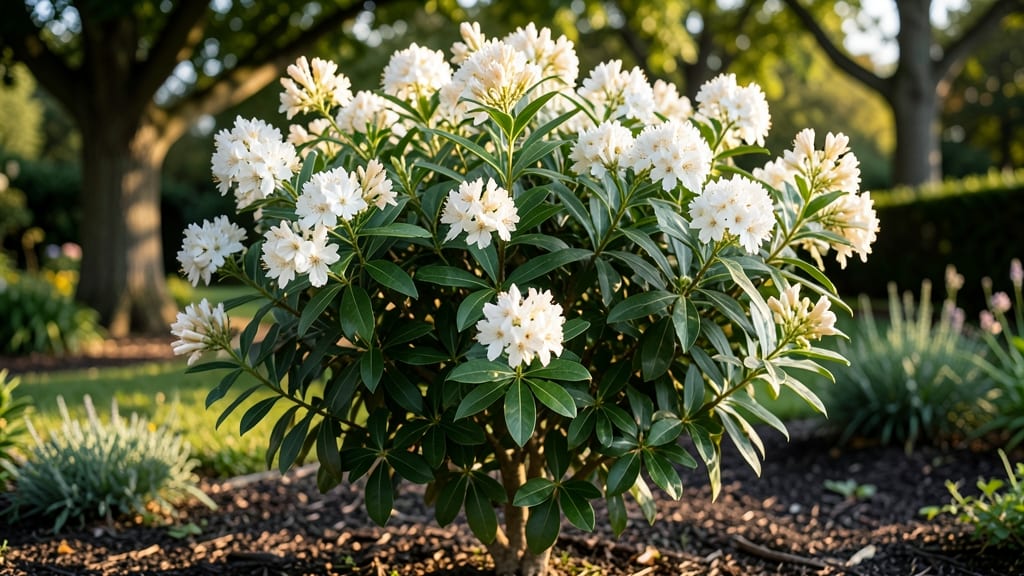
The mock orange bloom time in late spring to early summer fills your garden with sweet, heady fragrance that lasts for weeks.
There’s nothing quite like the moment those clusters of white, four-petaled flowers burst open—except the panic when they don’t arrive on schedule. Timing isn’t just about aesthetics; it’s about giving your shrub the best chance to thrive next year.
From USDA Zone 6a’s crisp spring mornings to warmer regions where blooms stretch into June, the right conditions make all the difference. And here’s the secret: pruning after the flowers fade is the key to a repeat performance.
In this guide, I’ll break down exactly when to expect those fragrant blooms, how climate and variety shift the calendar, and the simple pruning steps that ensure your mock orange puts on its best show—year after year.
Mock orange bloom time: seasonal patterns and regional variations
The mock orange (Philadelphus) bursts into fragrant bloom typically between late spring and early summer, though exact timing varies by USDA climate zone and variety.
Most gardeners in USDA zones 6-9 can expect these highly aromatic white flowers to appear in May or June, creating a sensory highlight in the garden.
Understanding these patterns helps you plan pruning and extend bloom duration. For example, Philadelphus 'Manteau d'Hermine' often blooms slightly earlier than 'Lem's Hardy', which may wait until late June in cooler regions. The 2-4 week bloom window makes timing critical for deadheading and post-bloom care.
| USDA Zone | Typical Bloom Window | Sunlight Needs | Bloom Duration |
|---|---|---|---|
| 4-5 | Late May - Early June | Morning sun | 2-3 weeks |
| 6-7 | Mid-May - Late June | Partial shade | 3-4 weeks |
| 8-9 | April - May | Dappled light | 2-3 weeks |
In cooler zones (USDA 4-5), mock orange often blooms 2-3 weeks later due to delayed spring warming. I’ve noticed my 'Virginalis' variety in Zone 5 typically waits until early June, while the same plant in Zone 8 blooms by mid-April.
This shift highlights how chill hours and soil temperature trigger flowering.
Sunlight exposure plays a surprising role in bloom timing. While mock orange thrives in partial shade, plants receiving morning sun only often bloom 1-2 weeks earlier than those in full shade.
This occurs because morning light provides enough energy for bud formation without stressing the plant during hot afternoons.
Identifying early vs. late bloomers helps with garden planning. Early varieties like 'Belle Etoile' may start flowering in late April in warm climates, while late bloomers like 'Aureus' wait until mid-June. Watch for bud swelling in early spring—this is your first clue about timing.
To maximize bloom duration, ensure your mock orange receives consistent moisture during bud formation. I’ve found that deep watering every 7-10 days in late winter encourages stronger stems and more abundant flowers. Overhead watering can delay blooming by promoting fungal growth on buds.
In USDA Zone 9 and warmer, some varieties may experience secondary blooming in early fall, especially if pruned correctly after the spring flush. This second wave often produces smaller but equally fragrant blooms and extends the display until September or October.
If your mock orange isn’t blooming on schedule, check for over-fertilizing or poor drainage. Too much nitrogen in early spring can delay flowering by encouraging leafy growth instead of buds. I’ve had success using a balanced 10-10-10 fertilizer in early spring to encourage both growth and blooms.
For gardeners in transitional zones (like Zone 6blight row covers if your area experiences unpredictable spring weather. This simple protection can mean the difference between a full bloom season and a disappointing display.
Remember, every mock orange plant has its own personality. While general timelines help, observing your specific plant over several years will reveal its unique patterns. Keep a garden journal noting bloom dates—this becomes invaluable for planning future seasons.
Pruning mock orange after bloom: step-by-step guide to maximize next year’s flowers
After your mock orange (Philadelphus) shrubs finish their fragrant spring display, proper pruning is key to encouraging next year’s blooms. Unlike many shrubs, mock orange blooms on old wood, so timing and technique matter.
The goal is to shape the plant while preserving next season’s flower buds hidden in last year’s growth.
Prune at the right time—typically late summer or early fall—after all blooms have faded. This gives your plant time to harden off before winter while still allowing new growth to mature.
Avoid pruning in late fall or winter, as this can expose tender stems to cold damage or frost.
Step-by-Step Pruning Guide
- 1 Gather tools: Sharp bypass pruners, sterilized shears, gloves, and disinfectant (rubbing alcohol).
- 2 Remove dead/diseased wood: Cut out dead branches or those with blackened leaves at the base using clean cuts.
- 3 Thin crowded branches: Selectively prune overlapping branches to improve air circulation—cut at the branch collar.
- 4 Shape lightly: Trim outer growth to maintain desired shape, but avoid heavy cuts—never remove more than 1/3 of the plant.
- 5 Clean up: Sterilize tools with rubbing alcohol, remove pruned debris, and mulch around the base to retain moisture.
Never prune mock orange in late winter or early spring—this removes next year’s flower buds since they form on old wood. Instead, focus on light shaping after blooms fade. If your shrub is overgrown, prune gradually over 2-3 years to avoid shock.
Watch for common pruning mistakes like cutting too late (after October) or removing healthy branches in pursuit of a "neat" shape. Mock orange thrives with natural structure—prioritize health over aesthetics. A well-pruned shrub will reward you with even more fragrant blooms next season.
After pruning, give your mock orange a light fertilizer (10-10-10) in early spring to support new growth. Water deeply to help roots recover, and avoid heavy mulch piles that can smother stems. With the right care, your shrub will bloom abundantly for years to come.