
Blooming
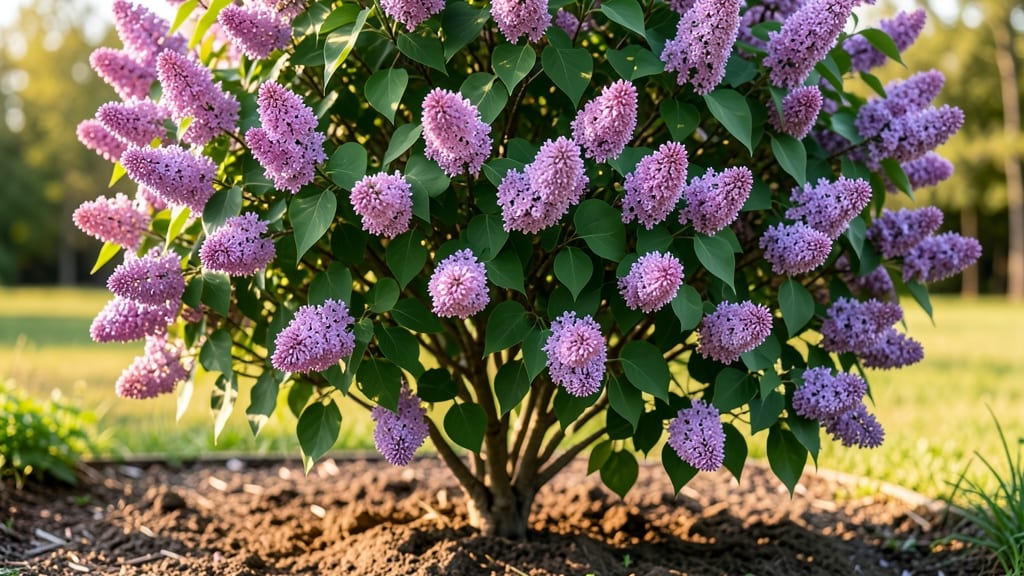
Lilacs in New York bloom between late May and early June 🌸, with timing shifting slightly depending on your zone and the variety you’ve planted.
If you’ve ever admired a lilac bush in full bloom and wondered when New York’s gardens will burst into fragrant purple, you’re not alone—timing is everything for these iconic spring flowers.
The exact weeks vary by USDA zone: in 5b, expect blooms around May 20-25, while 7a gardens often see them a week earlier. Local frost dates and spring temperatures play a big role, too.
Below, I’ll break down the best varieties for your area, how to predict blooms like a pro, and even tips to extend that fragrant season if you’re eager for more.
Lilac blooming timeline by New York planting zones (exact weeks)
Timing your garden’s lilac blooms in New York depends heavily on your USDA zone and local microclimates.
While Zone 5b gardeners (upstate areas like Albany) typically see lilacs bloom 2-3 weeks later than NYC’s Zone 7a, understanding these patterns helps you plan pruning, fertilization, and even variety selection for continuous spring color.
The key difference? Last frost dates and spring temperature spikes—NYC’s urban heat island effect can push blooms 10-14 days earlier than rural areas.
Lilacs are spring ephemerals, meaning their bloom cycle aligns perfectly with early summer’s arrival. In New York, most varieties begin budding in late April, peak in late May, and fade by early June.
However, early bloomers like 'Katherine Havemeyer' may start as early as mid-April in warm microclimates, while late varieties like 'President Lincoln' can linger into mid-June.
Your location’s elevation and proximity to water bodies also play roles—cooler, wetter upstate regions often delay blooms by 1-2 weeks compared to NYC’s drier, warmer climate.
New York’s urban heat island effect in NYC creates a 10-14 day advantage for lilac blooms compared to upstate regions. For example, a Zone 7a lilac in Brooklyn may start blooming in early April, while an identical bush in Zone 5b Albany waits until late April.
This difference stems from NYC’s concrete and asphalt retaining heat, which warms the soil and encourages earlier bud break. If you’re in Zone 6a or higher, you might even spot early bloomers like 'Sensation' lilacs opening by mid-April in sheltered microclimates.
Climate variations also affect bloom duration. In cooler upstate zones, lilacs often bloom for 3-4 weeks, while NYC’s warmer springs can stretch the season to 5-6 weeks. The last frost date is critical—lilacs need consistent temperatures above 50°F to avoid frost damage to buds.
In Zone 5b, gardeners should monitor forecasts closely, as late frosts in May can nip blooms prematurely. For longer-lasting blooms, plant early, mid, and late-season varieties together to create a staggered display from April through June.
Your lilac’s age and health also influence bloom timing. Mature bushes (5+ years old) typically bloom 1-2 weeks earlier than younger plants, as they’ve established stronger root systems.
If your lilac is newly planted, expect delays—it may take 2-3 years to reach full bloom potential. Over-fertilizing with nitrogen can also push blooms later by encouraging leafy growth over flowers. Instead, use a balanced 10-10-1
Best lilac varieties for New York gardens & their unique bloom schedules
New York gardens come alive with fragrant lilacs each spring, but not all varieties bloom at the same time. Choosing the right type ensures your yard stays colorful from late April through June.
The Katherine Havemeyer variety, for example, is a crowd-pleaser with its deep purple blooms and intense fragrance, typically opening in early May across most of the state.
For gardeners in USDA Zone 5b (like upstate New York), timing can shift slightly due to later frost dates. The Mme. Lemoine variety, with its lavender-blue flowers, often blooms 1-2 weeks earlier than others, making it ideal for extending your spring display.
Meanwhile, Dwarf Korean lilacs offer compact size (3-5 feet tall) and earlier blooms in late April, perfect for smaller gardens.
🌸
| Variety | Bloom Time (NY) | Scent Intensity | Hardiness Zone | Height (Mature) |
|---|---|---|---|---|
| Katherine Havemeyer | Early May (5/1-5/15) | Very Strong | 5-8 | 8-12 ft |
| Mme. Lemoine | Late April (4/20-5/5) | Strong | 4-8 | 6-10 ft |
| Dwarf Korean | Late April (4/25-5/10) | Moderate | 5-7 | 3-5 ft |
| President Lincoln | Mid-May (5/10-5/25) | Very Strong | 5-8 | 10-12 ft |
| Neglecta (Silky Lilac) | Early June (6/1-6/15) | Light | 4-7 | 6-10 ft |
If you're in Zone 7a (like Long Island), expect blooms to arrive 1-2 weeks earlier than upstate regions. The President Lincoln variety, with its vibrant purple spikes, thrives in these warmer microclimates, often peaking in mid-May.
For a late-season show, the Neglecta (Silky Lilac) variety blooms in early June, offering a unique silvery foliage that adds texture to your garden.
Hardiness matters too—most lilacs handle NY winters well, but Dwarf Korean varieties are especially resilient in Zone 5b, where colder snaps can delay spring growth. Planting near a south-facing wall can also push blooms 1 week earlier by creating a warmer microclimate.
Just avoid heavy pruning in fall, as it can reduce next year’s flower production.
For maximum fragrance, pair Katherine Havemeyer with Mme. Lemoine—their overlapping bloom times create a perfumed garden that lasts from late April through early June.
And if space is limited, Dwarf Korean varieties deliver all the charm without the height, making them perfect for container gardens on patios or balconies.
🌿