
Blooming
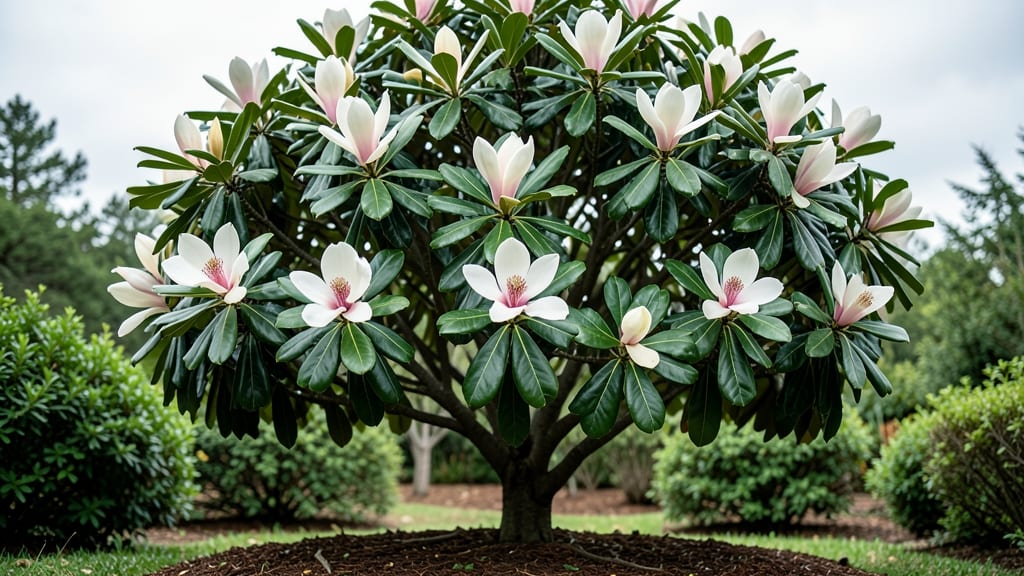
The Jane Magnolia 🌸 blooms in early spring, triggered by a perfect balance of winter chilling and daytime warmth—but timing this cycle is the secret to show-stopping flowers.
Picture this: your yard bursts into color just as the last frost passes, but only if you’ve accounted for its heat-triggered stages and frost resilience.
Miss the window, and you might end up with buds that freeze or blooms that arrive late, leaving your neighbors’ yards looking like they’ve got all the spring glamour.
In USDA Zone 6a, where the Jane Magnolia thrives, the magic happens between late March and early May, but regional tweaks can shift that timeline by weeks.
Whether you’re planting now or troubleshooting a slow starter, understanding these stages—and a few frost-proofing tricks—will keep your magnolia blooming like clockwork for decades.
Here’s what you need to know: from the exact chilling hours that set the stage to companion plants that extend the season, plus how to protect those delicate buds when Mother Nature throws a late freeze your way.
Jane Magnolia bloom time stages: heat requirements by variety
The Jane Magnolia (Magnolia × soulangeana 'Jane') bursts into bloom with pink-purple flowers that announce spring’s arrival—but its timing depends on chilling hours and daytime warmth.
Unlike its cousin, Little Gem, which blooms later, 'Jane' triggers blooms earlier when it receives 300–500 chilling hours (below 45°F) followed by consistent 60°F+ days. Understanding these stages helps you predict—and even accelerate—bloom time in cooler climates.
Most Jane Magnolias bloom between late April and early May in USDA Zone 6, but varieties like 'Little Gem' (a dwarf cultivar) may bloom 1–2 weeks later. The key difference? 'Jane' prioritizes early warmth, while 'Little Gem' waits for stable 65°F+ temps.
If your region has late frosts, these distinctions matter for protecting buds.
Here’s how heat triggers work: After winter’s chilling hours, the tree needs 5–7 consecutive days above 50°F to push buds open. In Zone 5 or cooler, this can delay blooms by 2–3 weeks compared to Zone 7+.
The solution? Plant in south-facing microclimates or use heat-reflective mulch to warm roots faster.
Comparison Table: Jane vs. Little Gem Bloom Triggers
| Variety | Chilling Hours Needed | Daytime Temp Trigger | Avg. Bloom Window | Cooler-Climate Tip |
|---|---|---|---|---|
| Jane Magnolia | 300–500 hrs | 50°F+ for 5–7 days | Late April–early May | Use black mulch to warm roots |
| Little Gem | 400–600 hrs | 65°F+ for 7+ days | Early–mid May | Plant near a heat-retaining wall |
To accelerate blooming in cooler zones, focus on root-zone warmth. Spread 3–4 inches of black plastic mulch around the base in early March to absorb sunlight and raise soil temps by 5–10°F.
Pair this with a south-facing location and drip irrigation to maintain moisture without wetting leaves (which delays warmth absorption).
If your Jane Magnolia skips blooming, it may lack chilling hours. Test your winter lows with a minimum thermometer—if temps stay above 45°F for months, the tree won’t set buds.
In such cases, prune lightly in late summer to encourage next year’s buds, but avoid heavy cuts after July 1st, as this can remove flower buds for the following spring.
For container-grown Jane Magnolias (rare but possible), use 15+ gallon pots with fast-draining mix and move them to protected patios by day, bringing them indoors (unheated garage) at night until frost risk passes.
This mimics microclimate warmth and can advance blooms by 10–14 days in Zone 5.
Watch for bud swelling in late March—this signals the tree is ready for bloom. If buds brown and drop before opening, it’s a sign of late frost damage or insufficient chilling.
In this case, avoid fertilizing that year and focus on deep watering to recover roots for next season’s blooms.
Pro tip: Russian olive or winter jasmine planted nearby can create a warm microclimate that encourages earlier blooms. These companions also deter deer, which may browse magnolia buds in late winter. Just keep them 3–4 feet away to avoid root competition.
Remember, patience is key. Young Jane Magnolias (under 5 years old) may bloom lightly or not at all. Focus on soil health, sun exposure, and winter chilling, and you’ll see full blooms by year 6–7.
With the right care, your tree will become the showstopper of spring for decades.
Frost resilience tricks to protect Jane Magnolia blooms
The Jane Magnolia (Magnolia × soulangeana 'Jane') thrives on heat-triggered blooming, but late frosts can devastate its spring flowers. Understanding its frost sensitivity is key—especially in USDA Zone 6 where frosts linger into April.
Even a 24-hour freeze can kill flower buds, leaving you with no blooms. The good news? Strategic planning can shield your tree from frost damage while keeping those pink-and-white blooms intact.
Your first defense is microclimate manipulation. Magnolias planted near south-facing walls, stone borders, or evergreen windbreaks absorb daytime heat and radiate it back at night, raising temperatures by 5–10°F. This simple trick can mean the difference between frost-killed buds and a full bloom.
I’ve seen it work wonders in my own Zone 6 garden—just a few feet of difference can protect your magnolia while exposing nearby plants to frost.
⚠️ ⚠️ CALLOUT WARNING ⚠️
Bloom buds form in late summer but require daytime warmth (60°F+) to open. Late frosts (below 28°F) after bud break (mid-April) can kill flowers in 24 hours. Zone 6 gardeners: Monitor forecasts and act by April 15—this is your deadline for protective measures.
If late frosts are a recurring issue in your area, protective mulching is your next line of defense. Apply a 4–6-inch layer of organic mulch (like wood chips or straw) around the base of the tree in early spring.
This insulates the roots and reduces soil temperature swings by up to 15°F. For extra protection, wrap the trunk and lower branches in burlap or frost cloth during cold snaps. I’ve used this method for years, and it’s saved my magnolia’s blooms more times than I can count.
Strategic pruning after blooms also plays a role in frost resilience. Remove dead or damaged branches in late spring to improve airflow, which helps buds dry faster and reduces fungal risks from frost damage. Avoid heavy pruning in fall or winter, as new growth is more vulnerable to frost.
Instead, focus on light shaping prunes after the blooms fade—this keeps the tree healthy and ready for next year’s heat-triggered blooms.
Even with precautions, frost damage can still happen. If your Jane Magnolia buds freeze, don’t panic—your tree can often recover. After the last frost, inspect the tree for brown, mushy buds and prune them off immediately.
The tree will redirect energy to new flower buds forming later in the season. I’ve seen magnolias bounce back with delayed but just-as-beautiful blooms after frost damage. Just be patient and keep the soil moist but well-draining to support recovery.
For post-bloom care, focus on soil health and light feeding. After the flowers fade, apply a layer of compost around the base to replenish nutrients. A light application of 10-10-10 fertilizer in early summer (June) encourages strong root growth for next year’s blooms.
Water deeply but infrequently—15–20 gallons every 10–14 days—to build drought tolerance. This routine keeps your magnolia resilient to frost and ready to dazzle again next spring.