
Blooming
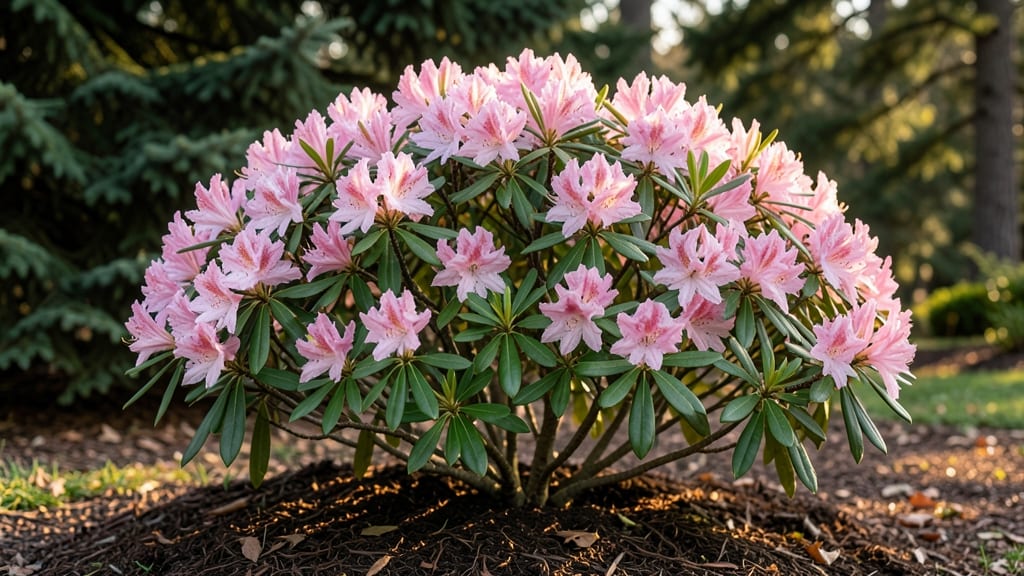
Encore azaleas bloom time is all about heat-triggered reblooms that can surprise even the most patient gardeners.
If you’ve ever waited through spring only to see your 🌸 Encore Azaleas burst into color again in late summer, you’re not imagining things—these shrubs are masters of delayed gratification.
Their second bloom isn’t just possible; it’s predictable if you know the secret cues, like consistent afternoon heat and proper care timing.
Understanding the 6a zone schedule and variety-specific triggers (like 'Autumn Splendor' vs. 'Wee Bee') can extend your blooms by weeks. I’ll break down the science behind their heat response, regional adjustments, and the 3 critical pruning windows that make all the difference.
Ready to turn your azalea’s second act into a showstopper? Here’s how to plan companion plants, adjust watering for heat waves, and troubleshoot when blooms stall—so you’re never left wondering why your 🌸 Encore Azaleas aren’t playing along.
How heat triggers Encore azalea rebloom: the science behind timing
Encore azaleas are famous for their reblooming habit, but their second flush of flowers isn’t magic—it’s a precise response to heat and daylight. Unlike traditional azaleas that bloom once, Encore varieties trigger new buds when daytime temperatures consistently hit 85°F or higher for at least 2-3 weeks.
This heat signal kicks off a 6-8 week window where your shrub prepares for its spectacular comeback.
The secret lies in their dormancy-breaking mechanism. When summer heat arrives, Encore azaleas pause their first bloom cycle and enter a brief metabolic reset. This process requires 14+ hours of daylight to fully activate, which is why reblooming often peaks in late summer or early fall.
Without this heat trigger, your azalea might produce only a single spring bloom—or worse, none at all.
Here’s how the timing breaks down in my Zone 7 garden: First blooms appear in April-May (after last frost), then a 6-week rest period follows. When temps climb above 85°F in July, buds form for the second bloom in August-September.
Miss this window, and you’ll likely wait until next spring.
| Bloom Stage | Key Temperature Threshold | Daylight Requirement | Time to Next Bloom |
|---|---|---|---|
| First Bloom | 50-65°F | 12-14 hours | April-May |
| Heat Trigger | 85°F+ for 2-3 weeks | 14+ hours | July-August |
| Second Bloom | 70-80°F | 12-14 hours | August-September |
| Dormancy Prep | Below 60°F | 10-12 hours | October-November |
To maximize reblooming, I’ve learned to monitor weekly temperature logs and adjust care accordingly. For example, if your area hits 90°F+ for extended periods, your azalea might skip the second bloom due to heat stress.
In my experience, morning watering and light afternoon shade help maintain that sweet spot of 75-85°F during bud formation.
Light also plays a crucial role. While Encore azaleas thrive in partial shade, they need at least 4 hours of direct sunlight daily to set buds. In my Zone 8 garden, I position them to catch morning sun and afternoon dappled light.
Too little light delays blooming, while too much can scorch buds in peak summer. The key is finding that goldilocks balance.
Pruning timing is another critical factor. I always prune right after the first bloom (late May-early June) to remove spent flowers and encourage new growth. Pruning too late—after buds form for the second bloom—can reduce or eliminate reblooming.
Use clean, sharp shears and cut just above a leaf bud to avoid damaging the shrub’s energy reserves.
Soil pH matters too. Encore azaleas crave acidic soil (pH 4.5-6.0). In my slightly alkaline garden, I amend the planting hole with peat moss and sulfur to create the perfect acidic environment.
Without this adjustment, my azaleas struggled to absorb essential micronutrients like iron and manganese, which are vital for bloom production. A simple soil test can reveal if your garden needs this tweak.
Watering strategy shifts with the seasons. During the critical 6-8 week window between blooms, I deep water every 5-7 days to encourage root growth. In extreme heat, I increase frequency to every 3-4 days and add 2-3 inches of mulch to retain moisture.
Overwatering or letting the soil dry completely can both stress the plant and disrupt bud formation.
If your Encore azalea misses its second bloom, don’t panic—it might just need a year of recovery. In my third year of gardening, I had a 'Autumn Splendor' that skipped reblooming due to over-fertilization.
The fix? Reduced feeding and focused on soil health the following spring, and it came back stronger than ever the next summer.
Remember, Encore azaleas are notoriously finicky about timing, but with the right conditions, they’ll reward you with two stunning bloom cycles. Start tracking your local heat thresholds and daylight hours now—your azalea’s next show might just be around the corner! 🌸
Encore azalea varieties ranked by bloom time and heat tolerance
Choosing the right Encore azalea variety means balancing rebloom timing with heat tolerance. Some cultivars burst into late-summer color while others fade under 90°F+ temperatures. Let’s break down the top performers based on their average bloom windows and heat-resistance ratings (1-5, with 5 being most resilient).
If you live in USDA Zones 7-9, heat tolerance becomes critical. Varieties like 'Hino Crimson' and 'Autumn Splendor' thrive in these zones, while 'Wee Bee' may struggle in intense afternoon sun. Your microclimate—especially afternoon shade—can shift a variety’s performance by 2-3 weeks.
'Autumn Splendor' is my go-to for Zone 7 gardens—it blooms reliably in late July and holds color until frost. Its deep pink flowers stay vibrant even when temps hit 90°F, thanks to its 4/5 heat tolerance. For containers or small spaces, 'Wee Bee' (dwarf variety) blooms earlier but wilts faster in afternoon heat.
If you’re in Zone 8 or 9, prioritize 'Hino Crimson'—its 5/5 heat rating means it thrives where others fade. Plant it where it gets morning sun and afternoon shade to maximize rebloom intensity. Pro tip: Mulch with pine bark to keep roots cool during heatwaves.
For northern climates (Zones 5-6), 'Autumn Splendor' and 'Pink Charm' are safer bets. Their earlier bloom times (late July) avoid early fall frosts. In these zones, prune lightly after blooming to encourage next year’s spring flowers—Encore azaleas are late bloomers compared to rhododendrons.
Remember: Watering consistency is key. During rebloom season, deep water 2x weekly if temps exceed 85°F. Overhead watering can stress flowers, so use drip irrigation near the root zone instead.