
Blooming
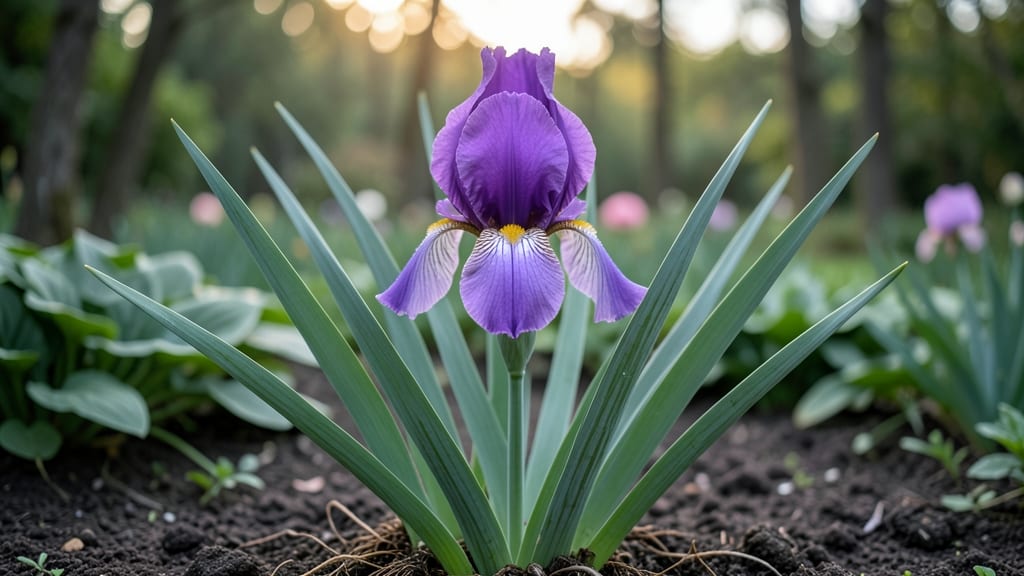
Iris plants bloom in spring, typically between April and June, but the exact timing depends on your climate zone and iris variety.
Wondering why your iris plants aren’t blooming—or when to expect those stunning purple, yellow, or white flowers? Bloom timing depends entirely on your climate zone, and getting it right means the difference between a showstopping garden and years of waiting.
In USDA Zone 6a, where many gardeners grow irises, you’ll see blooms emerge around late April to early May, but colder zones like 3-5 may delay flowers until June.
Warmer regions, such as Zones 7-10, often enjoy earlier blooms as early as March, especially for varieties like Siberian irises.
Below, I’ll break down how to predict your iris bloom time, adjust care for your region, and troubleshoot common delays so you can enjoy those vibrant 🌸 flowers year after year.


Iris bloom time by USDA climate zones: when to expect first flowers
If you've ever waited eagerly for your iris blooms to appear only to be disappointed, you're not alone. Iris bloom time varies dramatically by USDA hardiness zone, with some varieties bursting into color as early as late winter and others waiting until late spring.
Understanding your zone's typical bloom window is the first step to planning a garden that delivers those iconic purple, yellow, and white flowers when you expect them.
The key difference lies in whether your irises are rhizome-based (like bearded irises) or bulb-based (like Siberian irises). Rhizomes generally bloom earlier in zones 3-6, while bulb varieties often wait until zones 7-10 when soil temperatures stabilize.
Let's break down exactly what to expect in each zone, so you can time your garden plans perfectly.
In zones 3-6, where winters are colder, irises typically bloom in late April to early May because they require a period of vernalization (cold treatment) to trigger flowering. The soil temperature needs to reach between 40-50°F for rhizomes to break dormancy.
This is why you'll often see bearded irises dominating gardens in these zones—they're perfectly adapted to these conditions.
Gardeners in zones 7-10 enjoy an earlier show, with blooms appearing as soon as February or March. The warmer winters mean less cold stress, and varieties like Louisiana irises thrive here.
However, these zones often face late spring frosts, so timing your planting to ensure blooms appear before April 15 (the average last frost date in many southern regions) is crucial.
One common misconception is that all irises bloom in spring. While most do, there are exceptions like the Japanese iris, which may produce a second flush of blooms in late summer if given the right conditions.
This makes them a great choice for zones 7-9 where you want extended color. Always check the specific variety's traits before planting if you're aiming for season-long interest.
To encourage earlier blooms in your zone, focus on soil preparation the previous fall. Irises need well-draining soil with a slightly alkaline pH (6.8-7.2). Amend your soil with composted manure or bone meal in early autumn to give roots a nutrient boost before winter.
This can shift bloom time by 1-2 weeks earlier in most zones.
If you're in a warmer zone (7-10) and notice your irises blooming too early, the issue might be overwatering or excessive shade. Irises in hot climates need full sun exposure and dry soil conditions during dormancy. Try reducing watering in late summer
How to adjust iris bloom time for your region: chilling requirements & tricks
If your irises seem to bloom at the wrong time—or not at all—it’s likely because they’re not getting the right chilling period. Most irises need 4-8 weeks of temperatures below 50°F (10°C) to trigger blooming.
Without this, they’ll either bloom late or skip blooming entirely. The good news? You can adjust their bloom time with a few simple tricks tailored to your region.
First, understand that bearded irises typically bloom in late spring, while Siberian irises often flower in early summer. The difference comes down to their native habitats and chilling needs.
For example, Siberian irises thrive in cooler climates and may bloom earlier in zones 3-6, while bearded irises in zones 7-10 might need heat to break dormancy before flowering.
- 1
- 2
- 3
- 4
For delayed blooming, focus on heat exposure. In cooler zones (3-6), irises may need warmer soil temps to break dormancy. Try planting near a south-facing wall or using black plastic mulch in early spring to absorb heat and speed up growth.
This works especially well for bearded irises, which often need a warm-up period after winter.
If your irises bloom too early (like in February), they’re likely not getting enough chilling. In mild-winter zones (8-10), try winter mulching with ice packs or shade cloth to drop temps slightly. Alternatively, plant Siberian irises, which tolerate cooler soils and often bloom later in the season.
Finally, don’t forget that fertilizer timing plays a role. Apply a low-nitrogen fertilizer (5-10-10) in early spring (when shoots emerge) to encourage strong blooms. Avoid fertilizing in summer or fall, as this can stimulate late growth that won’t harden off before winter, delaying next year’s blooms.
With these adjustments, you can fine-tune your irises to bloom when you want—whether that’s a spring burst of color or summer-long displays. Experiment with one trick at a time to see what works best in your microclimate! 🌸