
Blooming
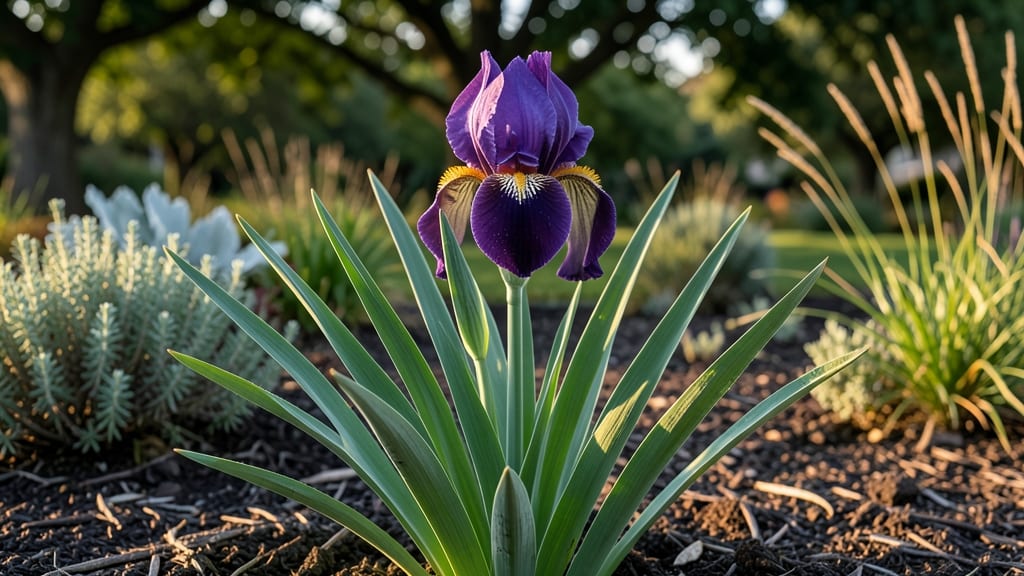
Irises don't bloom every year—they typically produce flowers once annually for 2-3 weeks in late spring, then rest during dormancy. Some varieties may skip flowering yearly due to stress, overcrowding, or insufficient sunlight, but consistent care helps maintain regular blooms.
Irises follow a natural cycle where they focus energy on root and foliage growth during off-seasons, which is why they don't bloom annually like some perennials. 🌸 The timing varies by variety—bearded irises often bloom earlier in spring, while Siberian irises may wait until late spring—so understanding your specific type helps manage expectations.
What's fascinating is how their dormancy period actually prepares them for stronger blooms the following year when conditions are ideal.
For gardeners frustrated by skipped blooms, the solution often lies in simple adjustments like dividing crowded clumps every 3-4 years or providing balanced fertilizer in early spring. I've found that even a small boost in sunlight exposure can make a dramatic difference in bloom reliability.
The key is treating irises with patience—they reward consistent care with spectacular displays when given what they need.
💡 In This Article
- Why Some Iris Varieties Skip Annual Blooming
- How to Maximize Iris Blooms Year After Year
Why some iris varieties skip annual blooming
Irises follow a biological rhythm where they prioritize root and foliage development during dormancy, often skipping blooms when stressed. The primary reason is nutrient depletion—after years of growth, older rhizomes (the thick, horizontal roots of bearded irises) become overworked and may produce fewer flowers or none at all.
For example, a 5-year-old bearded iris rhizome might require division to restore vigor, as its energy reserves become exhausted from supporting foliage rather than blooms. 🌱
Environmental factors play a huge role too. Siberian irises, known for their hardiness, often bloom less reliably in hot, dry climates because their natural habitat is cooler and more moist.
In contrast, bearded irises—native to Mediterranean regions—thrive in full sun but may skip blooms if summer temperatures exceed 90°F (32°C) for extended periods. The stress of extreme heat diverts energy away from flower production.
Even well-established clumps can produce just 2-3 blooms per stem in poor conditions, compared to 10-15 blooms when optimally cared for.
Root age is another critical factor. Young iris rhizomes (under 2 years old) focus entirely on establishing roots, while mature rhizomes (3-5 years) may produce flowers inconsistently.
The dormancy cycle itself is designed to recharge the plant—after blooming, irises redirect energy to storing nutrients in their rhizomes for next year's growth. This natural process explains why even healthy irises might "rest" for a season, especially in their first few years after planting. 🌿
Climate also creates variability. In northern regions, Siberian irises often bloom later in spring (May-June) when soil temperatures reach 50°F (10°C), while bearded irises may bloom earlier (April-May).
Southern climates can disrupt this timing—irises planted in USDA Zone 8 or higher may experience heat stress during bloom time, causing buds to drop before opening. The solution often involves providing afternoon shade during peak summer months to protect emerging flower stalks.
One often-overlooked factor is crowding. When iris rhizomes grow too close, they compete for nutrients and sunlight, leading to weaker stems and fewer blooms. A single mature bearded iris clump can spread 12-18 inches in diameter, and dividing it every 3-4 years restores bloom potential.
The same principle applies to Siberian irises, though their clumps are typically smaller (6-12 inches in diameter). Without division, older rhizomes at the center of the clump may produce only foliage while younger shoots at the edges take over, creating a "ring of blooms" effect.
Finally, the type of iris matters. Bearded irises are more consistent bloomers, while some Japanese or Louisiana irises may take 2-3 years to establish before flowering reliably. Even then, they may produce blooms on only 10-20% of their stems in their first few seasons.
Understanding your specific variety's growth habits helps set realistic expectations—what might seem like a "problem" is often just part of the iris's natural life cycle. 🌸