
Blooming
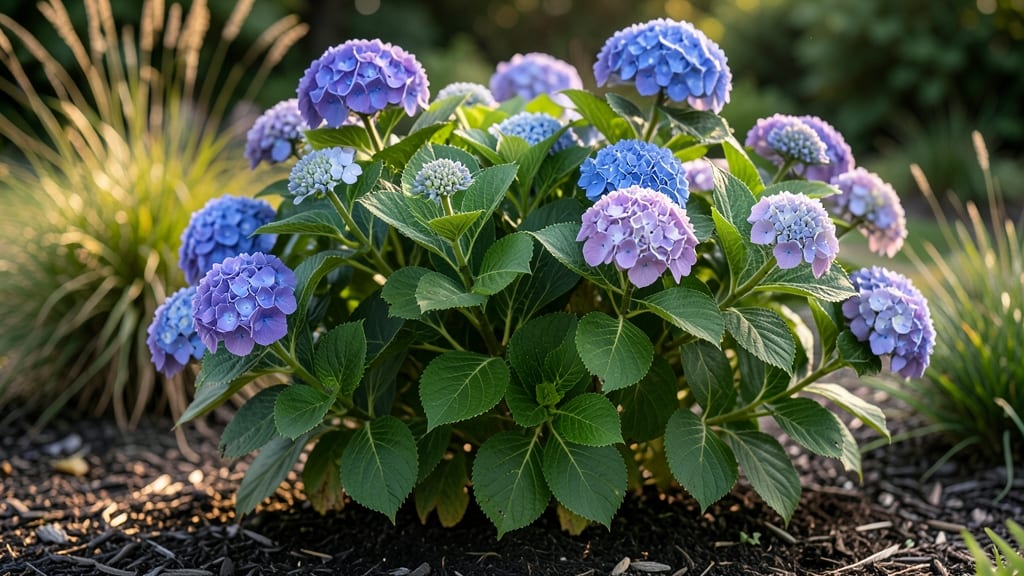
Hydrangeas bloom in mid-to-late summer 🌸, but the exact timing depends on your variety, climate zone, and even how you prune them.
Picture this: your neighbor’s Endless Summer hydrangeas are already putting on a show in June, while yours haven’t budged. That’s because bloom time isn’t one-size-fits-all—it’s a puzzle of sunlight, soil, and seasonal cues.
In Zone 6a, for example, bigleaf hydrangeas typically unfurl in July, but panicle types like Limelight often start as early as June.
What if you want that second flush of color in fall? The secret lies in pruning at the right time—cutting back after the first bloom can trigger a late-season rebloom, but timing matters.
Too early, and you risk sacrificing next year’s flowers entirely. Too late, and you might miss the window for a fall show.
In this guide, I’ll break down the bloom windows by zone, share pruning tricks to extend your hydrangea’s season, and troubleshoot why yours might be playing hide-and-seek with flowers. Ready to turn your shrubs into a year-round spectacle?
Hydrangea bloom time by USDA zone: when to expect first flowers
Predicting when your hydrangeas will bloom depends on more than just the calendar—it’s a mix of USDA zone, variety type, and even last year’s pruning choices.
In Zones 3–5, frost-sensitive buds may wait until June or July to open, while Zones 7–10 often see first blooms as early as May. The key? Understanding how each hydrangea type responds to your local climate triggers.
Bigleaf hydrangeas (Hydrangea macrophylla) like Endless Summer typically bloom on old wood, meaning buds set in late summer/fall and flower the following year. Meanwhile, panicle hydrangeas (H. paniculata) bloom on new wood, often producing flowers in the same season they grow.
This difference alone can shift bloom windows by 2–3 months.
Here’s the zone-by-zone breakdown of when to expect first flowers, including frost-sensitive varieties and early bloomers. Use this as your gardening calendar to plan pruning and fertilizing for maximum impact.
In Zones 3–5, panicle hydrangeas like Limelight often steal the show with their June–August blooms, while bigleaf varieties wait until late June or July due to frost sensitivity. The trick?
Plant panicle types in sheltered spots to protect early buds from late frosts. I’ve seen Grandiflora hydrangeas in Zone 4 bloom as early as June 15 if winter wasn’t harsh.
For Zones 6–7, oakleaf hydrangeas (H. quercifolia) are the early birds, often flowering in June and lasting until first frost. These varieties are frost-hardy but still benefit from morning sun to avoid leaf scorch. If you’re in Zone 7 and want
How to trigger a second bloom: pruning secrets for extended hydrangea color
Want your hydrangeas to put on a fall show? Many varieties—like the popular Endless Summer and Limelight—can rebloom if you time your pruning and fertilizer just right. The key is understanding hydrangea bloom time and working with your plant’s natural cycle.
With the right approach, you can extend your blooms well into autumn, giving you color when other gardens fade. Let’s dive into the pruning secrets that’ll keep your hydrangeas flowering longer.
First, know that reblooming hydrangeas (like mopheads and panicle types) produce buds on new wood—meaning they bloom on current season’s growth. If you prune at the wrong time, you risk cutting off next year’s flowers.
The golden window for pruning to encourage a second bloom is right after the first flush fades but before late summer. This timing ensures your plant has time to grow fresh buds before cooler weather sets in. Let’s break it down step by step.
Step-by-Step Guide to Encourage a Second Bloom
- 1 Wait until after the first bloom: Prune 2-3 weeks after your hydrangeas finish their first flush (usually June-July in most zones). This gives the plant time to set new buds.
- 2 Cut back by 1/3: Remove 1/3 of the oldest stems at the base. This encourages new growth and prevents overcrowding, which can reduce flower production.
- 3 Avoid heavy pruning: Never cut more than 1/3 of the plant. Over-pruning stresses the hydrangea and may prevent it from reblooming.
- 4 Fertilize for a fall flush: Apply a balanced fertilizer (10-10-10) in early August to give your hydrangea a nutrient boost. This timing helps the plant produce new buds before cooler weather slows growth.
- 5 Water deeply: Keep the soil consistently moist (but not soggy) during the growing season. Deep watering encourages root growth, which supports more blooms.
- 6 Protect from frost: If a light frost threatens in early fall, cover your hydrangea with a frost cloth. This gives buds a chance to open before cold sets in.
Timing is everything when it comes to hydrangea bloom time. If you prune too early (like in spring), you’ll cut off the buds that formed on old wood—the ones that gave you your first bloom.
If you wait too long (after August), your plant won’t have enough time to grow new buds before winter. The late summer pruning window is your best bet for a second flush of color.
Don’t forget to avoid pruning panicle hydrangeas (like Limelight) in fall—they bloom on old wood and new wood, so pruning too late can reduce next year’s blooms.
For these varieties, stick to spring pruning to shape the plant without sacrificing flowers. Always research your specific hydrangea variety to tailor your approach.
With these pruning secrets and a little patience, your hydrangeas will reward you with a second bloom that lasts well into autumn. Imagine the joy of walking past a vibrant hydrangea bush in October when your neighbors’ gardens are already dormant. Happy pruning—and happy blooming! 🌸