
Blooming
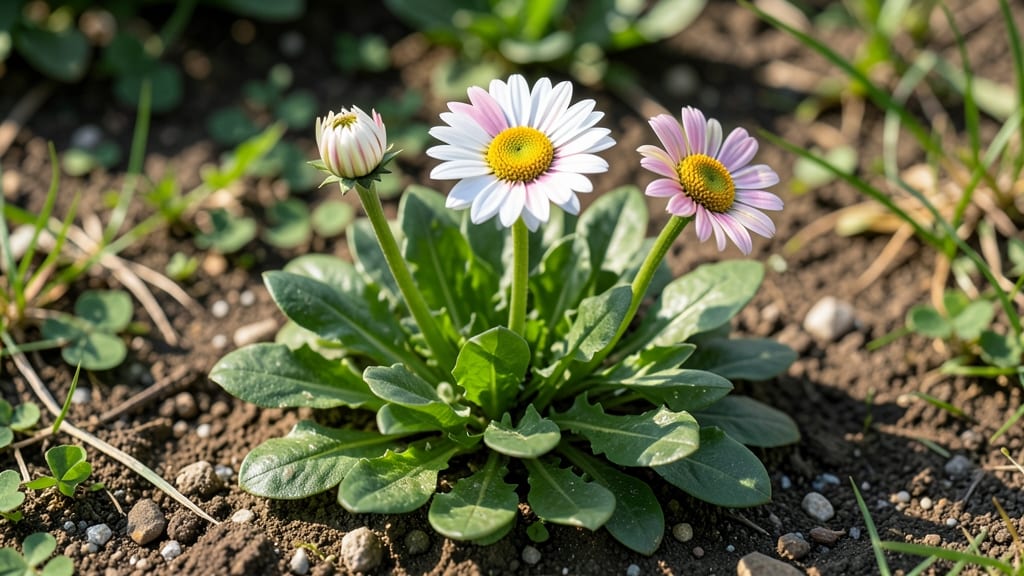
The English Daisy blooms in early spring and again in fall 🌼, with timing that shifts depending on your USDA zone and a few key care habits.
If you love the cheerful charm of English daisies but struggle to predict their bloom cycles, timing your planting and care could mean the difference between sporadic blooms and a continuous floral display all season long.
In zone 6a, where these hardy perennials thrive, expect the first flush of bright white and pink blooms as early as March, with a second wave in September if conditions are right.
Below, I’ll break down how sunlight, soil, and deadheading affect bloom timing—and the easiest tricks to coax more flowers from your plants.
English daisy bloom time by USDA plant hardiness zones: when to expect first flowers
The English daisy (Bellis perennis) is a cold-hardy perennial that thrives in USDA zones 3 through 10, but its bloom timing varies dramatically depending on your zone. In cooler northern zones, you’ll see early spring blooms, while southern gardeners enjoy fall and winter flowers.
Understanding these patterns helps you time planting and care strategies for continuous blooms.
English daisies are biennial or perennial depending on climate, meaning they may bloom in their first year in mild zones but typically wait until their second year in colder regions. First flowers often appear 4-6 weeks after planting in ideal conditions, but this timeline shifts with microclimates and seasonal triggers like temperature and daylight.
Below is a zone-by-zone breakdown of when to expect your first English daisy blooms, including early, mid, and late-season varieties. I’ve also included regional variations and microclimate tips to help you fine-tune your expectations.
In USDA zones 3-4, English daisies often bloom later due to cold soil temperatures. Planting in early spring (March) gives them a head start, but expect first flowers in late May. These zones also support fall blooms in September, making them a biennial performer.
Gardeners in zones 5-6 enjoy the earliest blooms, with first flowers appearing as early as May. The peak bloom period stretches from May to June, followed by a fall revival in September-October. In these zones, microclimates like south-facing slopes can push blooms 2-3 weeks earlier.
For zones 7-8, English daisies are perennial powerhouses, often blooming year-round in mild winters. First flowers arrive in March-April, with fall blooms extending into November. In hot summers, they may go dormant but rebound with cool weather.
In zones 9-10, English daisies can flower continuously if given consistent moisture. First blooms appear in January-February, and they may rebloom every 6-8 weeks with proper care. However, overwatering in these warm zones can delay blooms.
Microclimates play a huge role in bloom timing. For example, urban heat islands in zone 7 can push first blooms to February, while coastal areas in zone 9 may see delayed January blooms due to cooler ocean breezes. Always observe your local frost dates and planting windows.
To encourage earlier blooms, I recommend planting English daisies in late summer (August) for a fall-to-spring display. In colder zones (3-6), use row covers to protect early blooms from late frosts. For southern zones (7-10), deadheading spent blooms extends flowering into winter.
Remember, soil health and sun exposure are critical. English daisies need 6+ hours of sun and well-draining soil to bloom reliably. If your garden has
How to extend English daisy bloom time: season-long flowering tips for repeat blooms
English daisies (Bellis perennis) naturally produce two major bloom cycles—spring and fall—but with the right care, you can coax continuous flowers all season. The secret lies in understanding their growth patterns and giving them the right conditions to keep producing buds.
I’ve found that consistent deadheading and proper soil nutrition make the biggest difference in extending bloom time from weeks to months.
These cheerful flowers thrive when they feel stressed just enough to encourage new growth. Too much water or fertilizer can actually stunt blooming, while the right balance keeps them flowering like clockwork. My garden’s English daisies now bloom from early spring through late fall—here’s how I do it.
🌼 5 Proven Tips to Extend English Daisy Bloom Time
- 1. Master Deadheading: Snip spent blooms daily to prevent seed formation and redirect energy to new flowers. Use clean bypass pruners for precision cuts just above the foliage.
- 2. Feed Strategically: Apply balanced 5-10-10 fertilizer every 4-6 weeks during active growth (spring/fall). Avoid summer feeding—it encourages leafy growth over blooms.
- 3. Water Wisely: Provide 1 inch of water weekly in morning hours. Let soil dry slightly between waterings to prevent root rot that stifles flowering.
- 4. Mulch for Moisture: Use 2-3 inches of organic mulch (straw or shredded leaves) to retain soil moisture and regulate temperature—critical for zone 3-7 gardens.
- 5. Adjust for Seasons: In summer heat, reduce watering to 50% and provide afternoon shade. Fall planting (September) yields winter-blooming daisies in mild climates.
One common mistake I see is over-pruning daisies in summer. These plants enter a natural dormancy when days shorten, and aggressive cutting can delay fall blooms. Instead, I let them go dormant naturally and only remove brown, dead foliage in late summer.
For container-grown daisies, I’ve found that using well-draining potting mix with added perlite prevents waterlogging. The key is to water containers daily in hot weather but never let them sit in saucers of water—this causes root suffocation and stops blooming instantly.
To maximize fall blooms, I plant new daisy plugs in late summer (August) in cooler zones (4-6). The 60-day growth cycle ensures flowers appear just as summer wanes, giving you a second stunning display before winter.
Pair this with regular deadheading, and you’ll have daisies blooming until the first frost!
Remember, English daisies are perennial powerhouses—with these techniques, they’ll reward you with years of continuous color. The more you understand their natural rhythms, the easier it becomes to extend their bloom time effortlessly. 🌼