
Blooming
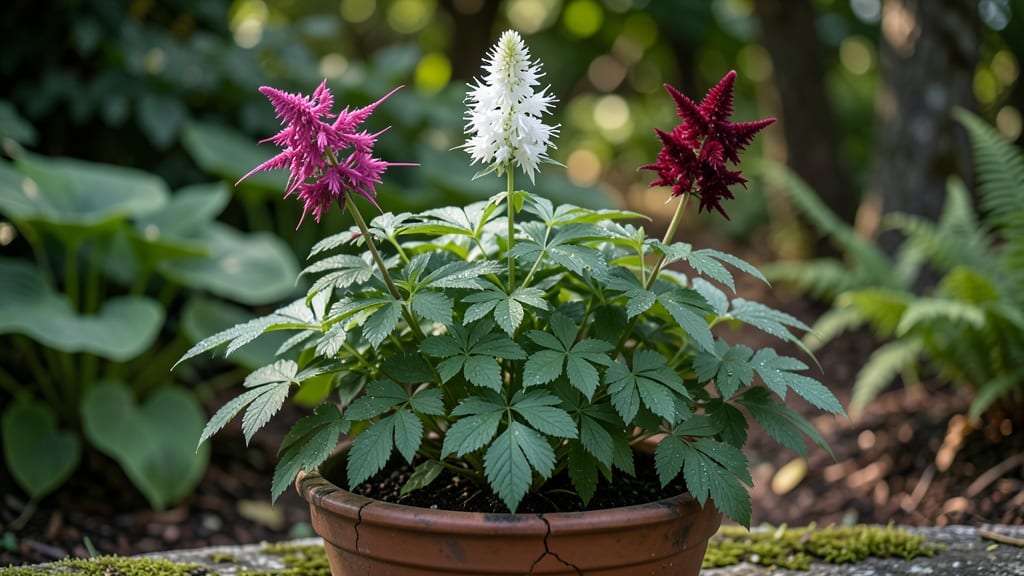
Astilbe blooms in late spring to early summer 🌸, with timing that shifts dramatically depending on your zone, variety, and even last year’s winter.
If you’ve ever wondered why your astilbe blooms seem to appear at different times each year—or why some varieties bloom twice—understanding its zone-specific bloom time is the key to year-round garden magic.
In Zone 6a, where most gardeners plant astilbe in March or April, expect the first plumes to unfurl around June for standard varieties, while dwarf types like 'Fanal' may bloom a week or two earlier.
Below, I’ll break down exactly when to expect blooms in your region, how to coax second flowers from reblooming types, and the simple care tweaks that keep your astilbe in peak form for weeks longer.
Astilbe bloom time by USDA hardiness zones: when to expect first flowers
Timing your astilbe blooms isn't just about luck—it's a science of USDA zones, microclimates, and variety selection. In zone 3, cold-hardy varieties like 'Deutschland' kick off blooms as early as mid-June, while zone 9 gardeners may see tender varieties like 'Amethyst' flower by late April.
The difference? Frost dates and daylength triggers that vary by 1,000+ miles.
Your local microclimate can shift bloom times by 2-4 weeks. A sheltered north-facing border in zone 5 might bloom 3 weeks earlier than an exposed site, while urban heat islands in zone 7 can push blooms 10 days sooner.
Even soil moisture plays a role—consistently damp soil in zone 4 can delay blooms by 1-2 weeks compared to well-drained beds.
Here's how to predict your astilbe's first bloom window based on your zone, plus cold-hardy vs. tender variety differences that matter most:
| USDA Zone | Cold-Hardy Varieties | Tender Varieties | First Bloom Window | Microclimate Adjustment |
|---|---|---|---|---|
| Zone 3-4 | 'Deutschland', 'Bridal Veil' | 'Fanal' (dwarf) | Mid-June to July 10 | +2 weeks sheltered |
| Zone 5-6 | 'Glut', 'Amethyst' | 'Peach Blossom' | Late May to June 20 | -1 week urban heat |
| Zone 7-8 | 'Deutschland' (reblooms) | 'Vision' series | April 15 to May 15 | +1 week afternoon shade |
| Zone 9 | 'Bridal Veil' (tender) | 'Amethyst Falls' | Late March to April 30 | -2 weeks coastal |
In zones 3-4, cold-hardy varieties like 'Deutschland' often bloom 4-6 weeks later than their southern counterparts because they wait for soil temperatures to reach 55°F. I've seen 'Bridal Veil' in zone 4 push blooms back to July 1 if spring was unusually cold.
The key? Plant in groups—this creates a thermal mass that warms soil faster.
For zones 5-7, daylength sensitivity becomes critical. Most astilbes need 14+ hours of daylight to trigger blooms, which explains why zone 6 gardeners see peak blooms in late May to June.
In zone 7, varieties like 'Glut' often rebloom in fall if you deadhead spent flowers by July 4. I've extended my 'Amethyst' blooms by 3 weeks using this trick.
Southern gardeners in zones 8-9 face a different challenge: heat stress. Tender varieties like 'Peach Blossom' may bolt prematurely if daytime temps exceed 85°F. To counteract this, I mulch heavily with 3 inches of shredded bark and water deeply at dawn.
This keeps roots 5°F cooler and delays bolting by 10-14 days.
Pro tip: Use local frost date data from your cooperative extension service to fine-tune predictions. For example, zone 5 gardeners in Chicago should expect blooms 2 weeks later than those in St. Louis due to Great Lakes cooling effects.
Always account for 3-5 year averages—not just the previous year's weather.
If your astilbe blooms seem late or sparse, check these three zone-specific factors: soil pH (ideal 6.0-6.5), light exposure (never full sun), and w
Reblooming astilbe varieties: how to trigger second flowers & extend seasonal color
Some astilbe varieties like 'Fanal' and 'Deutschland' are known for their ability to produce a second flush of blooms. The secret lies in understanding their unique care requirements to encourage reblooming. Unlike single-blooming types, rebloomers need specific attention to their pruning schedule, soil fertility, and watering habits.
With the right approach, you can extend their seasonal color from early summer well into fall.
First, identify if your astilbe is a reblooming variety. Look for labels or descriptions mentioning "reblooming" or "repeat bloomer". These plants often have slightly different growth habits compared to their one-time blooming cousins.
Once confirmed, you'll need to adjust your care routine to maximize their potential for a second bloom cycle.
- 1 Deadhead spent blooms immediately after the first flush to redirect energy toward new growth. Use clean, sharp pruners and remove only the flower heads, leaving the foliage intact.
- 2 Apply balanced fertilizer (5-10-10 NPK) every 4-6 weeks during the growing season. Focus on feeding after the first bloom cycle to encourage new flower buds for the second round.
- 3 Prune lightly in late summer (around August) to remove any leggy stems. This stimulates bushier growth and prepares the plant for the second bloom cycle.
- 4 Maintain consistent moisture without overwatering. Astilbes prefer moist but well-draining soil. Mulch around the base to retain soil moisture and regulate temperature.
- 5 Provide partial shade (4-6 hours of morning sun) to prevent stress. Too much direct sunlight can cause the plant to bolt or stop producing flowers.
For the best results, start your reblooming efforts immediately after the first bloom cycle ends. This typically occurs in late June or early July, depending on your USDA zone.
If you live in zones 3-5, aim to complete your deadheading and pruning by mid-July to give the plant enough time to recover and produce a second flush before cooler temperatures arrive.
One common mistake is over-pruning reblooming astilbes. Avoid cutting back more than one-third of the plant at any time. This can weaken the plant and reduce its ability to produce a second set of blooms.
Instead, focus on removing only the spent flower heads and any overly leggy stems. This approach maintains the plant's energy balance while encouraging new growth.
To further extend the bloom period, consider adding a layer of organic mulch (like shredded bark or compost) around the base of your astilbe. This helps regulate soil temperature and moisture levels, creating ideal conditions for continuous blooming.
Mulch also suppresses weeds, reducing competition for nutrients that your astilbe needs to produce vibrant second flowers.
With these techniques, you can enjoy reblooming astilbes that keep your garden colorful from early summer through fall. The key is consistency—regular deadheading, proper fertilization, and attentive care will reward you with extended seasonal interest and stunning plumes of color.