
Propagation
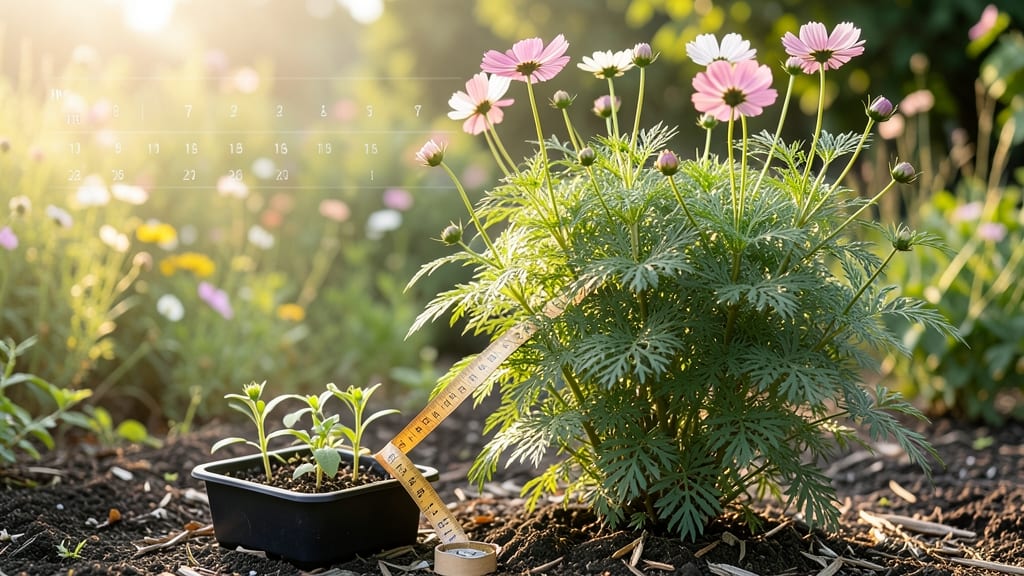
Blooming cosmos from seed takes 60 to 75 days under ideal conditions—though some fast varieties can surprise you with flowers in as little as 45 days.
If you’ve ever planted cosmos seeds only to watch them take their sweet time, you’re not alone. The wait can stretch beyond 12 weeks when conditions aren’t quite right, leaving you wondering if you’ll ever see those cheerful blooms.
But with the right care, you can shave weeks off that timeline and enjoy vibrant 🌼 cosmos all season.
Sunlight, soil warmth, and proper spacing are the key triggers that speed up—or slow down—blooming. Too much shade or crowded seedlings, and you’ll be waiting longer than necessary. Meanwhile, a little thinning and consistent moisture can turn those 60 days into 45.
Below, I’ll break down the fastest cosmos varieties, the care tricks that accelerate blooms, and the best planting times for your zone to ensure you’re not left staring at bare stems all summer.


Cosmos bloom time by variety: fastest vs slowest growing types
If you're itching to see those vibrant cosmos blooms brighten up your garden, timing is everything. The fastest-growing varieties like Cosmos bipinnatus 'Bright Lights' can burst into flower in just 6-8 weeks from seed, while slower growers like Cosmos sulphureus may take 10-12 weeks.
Understanding these differences helps you set realistic expectations and plan your garden layout accordingly.
Your choice of cosmos variety isn't just about color—it directly impacts how quickly you'll enjoy those cheerful daisy-like flowers.
Dwarf varieties like 'Sensation Mix' often bloom faster than their taller cousins, while giant types like 'Cosmos bipinnatus 'Seashells' may take an extra 2-3 weeks to reach their full flowering potential. Let's break down the real-world timelines so you can pick the perfect cosmos for your timeline.
Pro Tip: Most cosmos varieties follow a 60-75 day bloom timeline from seed, but growing conditions can shave off weeks or add delays. For example, warmer soil temperatures (above 60°F) accelerate germination, while cooler spring nights can slow everything down. Here's how the top varieties compare:
The 'Bright Lights' variety is my top pick for impatient gardeners—it's the fastest to bloom and perfect for container gardens or front-of-border plantings. If you're growing cosmos for cut flowers, the 'Seashells' variety is worth the wait for its large, showy blooms that last beautifully in arrangements.
For heat-loving climates, Cosmos sulphureus thrives in hotter conditions but needs that extra time to establish.
One common misconception is that all cosmos bloom at the same time. In reality, succession planting can extend your blooming season by 4-6 weeks. Plant a new batch every 2 weeks in early summer to ensure continuous color until frost.
This works especially well with fast-blooming varieties like 'Bright Lights', which can give you nonstop blooms from July through October in most climates.
For gardeners in cooler regions (USDA zones 3-5), aim to start seeds indoors 4-6 weeks before your last frost date. This head start gives cosmos bipinnatus enough time to outpace cooler temperatures and still bloom by early summer.
In warmer zones (7-11), you can direct-sow seeds as early as February for spring blooms, or even fall-sow for winter color in mild climates.
If you're growing cosmos for pollinators, the fastest-blooming varieties like 'Sensation Mix' are ideal—they attract butterflies and bees within 6-8 weeks of planting.
For longer-lasting blooms, the double-flowered varieties like 'Double Click' produce more petals per bloom, but their slightly delayed timeline means you'll need to be patient for that extra floral drama.
Remember, proper spacing is key to avoiding
5 Care triggers that speed up or delay cosmos blooming
Your cosmos seeds might take anywhere from 6 to 12 weeks to bloom, but the real secret lies in the care triggers you control.
I’ve learned that small adjustments in sunlight exposure, soil temperature, and watering habits can shave weeks off your waiting time—or push it back if ignored.
Let’s break down the five biggest factors that determine whether your cosmos will burst into color in 60 days or drag out to 90 days.
First, sunlight exposure is non-negotiable. Cosmos thrive in full sun (6+ hours daily), but even a few hours short can delay blooming by 2-3 weeks. I’ve seen seedlings in partial shade stretch tall and leggy, only to produce tiny, sparse flowers—or none at all.
If your garden gets less than 6 hours of sun, consider container gardening near a south-facing window or a sunny patio.
Next, soil temperature plays a hidden role. Cosmos seeds need soil that’s at least 60°F (15°C) to germinate quickly. Cold soil slows everything down, adding 10-14 days to your timeline.
Use a soil thermometer to check—if it’s cooler than 60°F, wait or use black plastic mulch to warm the soil faster. I’ve seen a 10°F difference cut bloom time in half!
- Sunlight: 6+ hours daily = blooms in 6-8 weeks. Less sun = delays of 2-3 weeks.
- Soil Temp: 60°F+ speeds germination. Below 55°F adds 10-14 days.
- Watering: Deep watering 2x/week (not daily). Overwatering = root rot = delayed blooms.
- Fertilizer: Balanced 5-10-10 at planting + mid-season. Too much nitrogen = leafy, no flowers.
- Thinning: Space seedlings 12-18" apart. Crowded plants = smaller blooms or none.
Watering frequency is another common mistake. Cosmos hate soggy roots but also drought stress. I’ve found the sweet spot is deep watering 2-3 times per week—enough to moisten the soil 6 inches deep.
Overwatering causes root rot, while underwatering stresses the plant, both of which push back bloom time. Use a moisture meter to check; the soil should feel like a wrung-out sponge between waterings.
Fertilizer use is where many gardeners go wrong. A balanced 5-10-10 fertilizer at planting and again mid-season gives cosmos the nutrients they need without overfeeding. Too much nitrogen (like lawn fertilizer) will make your plants grow leafy greens instead of blooms.
I’ve seen cosmos with no flowers at all because of this mistake—always follow the package rates!
Finally, thinning seedlings is a game-changer. Crowded cosmos compete for resources, leading to smaller, weaker blooms or even no flowers. Thin seedlings to 12-18 inches apart when they’re 3-4 inches tall.
This might feel harsh, but it ensures each plant gets enough sun, water, and nutrients to produce big, vibrant blooms in record time.