
How To
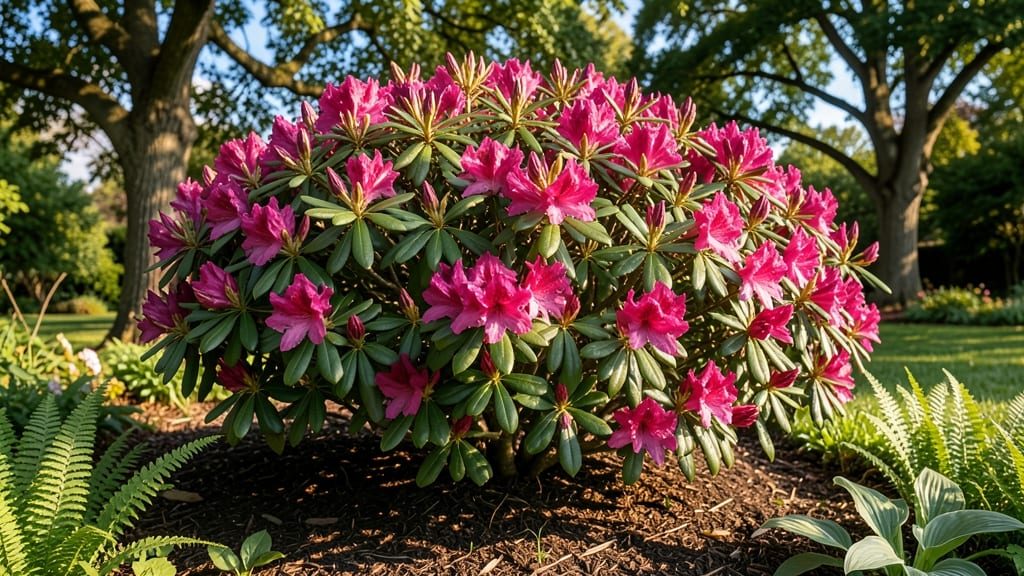
Azaleas bloom for 2 to 4 weeks on average, but timing varies by variety and season. Early spring bloomers typically last 2-3 weeks, while late-season or hybrid types like 'Girard’s' can extend flowering up to 6 weeks. Climate and care practices significantly influence how long your azaleas stay in bloom.
Azalea bloom length depends heavily on the specific cultivar and growing conditions. 🌸 For instance, early spring varieties often fade faster due to shorter daylight, while fall-blooming types in warmer climates (USDA zones 7-9) can last longer thanks to milder temperatures.
I’ve seen some gardeners extend blooms by 1-2 weeks through consistent moisture and balanced fertilization—key for maintaining flower health. The right soil pH (around 5.0-6.0) also plays a crucial role in prolonging vibrant blooms.
What’s interesting is how hybrid varieties like 'Hino Crimson' defy typical timelines, sometimes blooming for nearly two months. These longer-lasting types are bred specifically for extended displays, making them popular choices for gardeners who want year-round color.
Proper pruning after flowering also helps—removing spent blooms encourages new growth and can reset the plant’s cycle for next season.
💡 In This Article
- Azalea Bloom Duration by Variety and Season
- Tips to Extend Azalea Blooms Beyond Typical Weeks
Azalea bloom duration by variety and season
The length of azalea blooms is primarily dictated by their genetic programming and environmental triggers. Early spring varieties, like Rhododendron 'George L. Taber', typically bloom for just 2-3 weeks because they rely on winter chilling followed by sudden warmth to trigger flowering.
These plants are often the first to show color in late winter or early spring, but their short bloom period is a trade-off for their hardiness in colder climates (USDA zones 4-7).
The flowers open rapidly in response to rising temperatures, but the buds deplete quickly once exposed to prolonged warmth.
Late spring and summer azaleas, such as 'Girard’s' or 'Hino Crimson', can extend their display to 4-6 weeks thanks to their hybrid breeding. These varieties often have larger flower clusters and a more gradual bud opening pattern.
For example, 'Girard’s' blooms in late spring and can maintain vibrant color for up to 5 weeks if temperatures stay between 50-75°F.
Fall-blooming types like 'Indica' series thrive in milder climates (zones 7-9) where cooler autumn nights and warm days create ideal conditions for extended flowering—sometimes up to 6-8 weeks in perfect conditions.
Daylight exposure plays a critical role in bloom duration. Azaleas are short-day plants, meaning they flower in response to decreasing daylight hours. Early spring bloomers receive increasing daylight, which accelerates their bloom cycle, while fall varieties experience the gradual reduction in daylight that triggers prolonged flowering.
In regions with long summer days, late-season azaleas may struggle to bloom at all unless given partial shade to mimic shorter daylight conditions. The right balance of sunlight (typically 4-6 hours of morning sun) helps maintain flower health and color intensity throughout the bloom period.
Color intensity also varies by season. Spring blooms often appear more vibrant due to higher moisture levels in the soil, while fall blooms may fade faster in dry conditions.
For instance, 'Bow Bells' azaleas produce cascading flowers that last 3-4 weeks in spring but may only last 2 weeks in hot, dry summers. The key difference lies in how quickly the flowers dry out—humidity levels below 50% can reduce bloom duration by 30-50% in some varieties.
Climate zone matters more than most gardeners realize. In cooler northern regions (zones 4-6), azaleas often bloom earlier but for shorter durations due to rapid temperature swings. Meanwhile, in southern zones (8-9), fall-blooming varieties like 'Oswego' can extend their display into early winter if protected from frost.
The ideal scenario for long blooms occurs in transitional zones (7-8) where temperatures remain moderate, allowing flowers to open gradually without stress.
One fascinating exception is the 'Kaleidoscope' series, which produces flowers in multiple colors simultaneously. These hybrids can bloom for up to 8 weeks because their genetic makeup includes extended bud development phases. The trade-off?
They require more precise care to maintain their complex color patterns. For gardeners seeking maximum bloom duration, selecting hybrid varieties with proven longevity—like 'Southern Charm' or 'Tinseltown'—often delivers the best results.