
How To
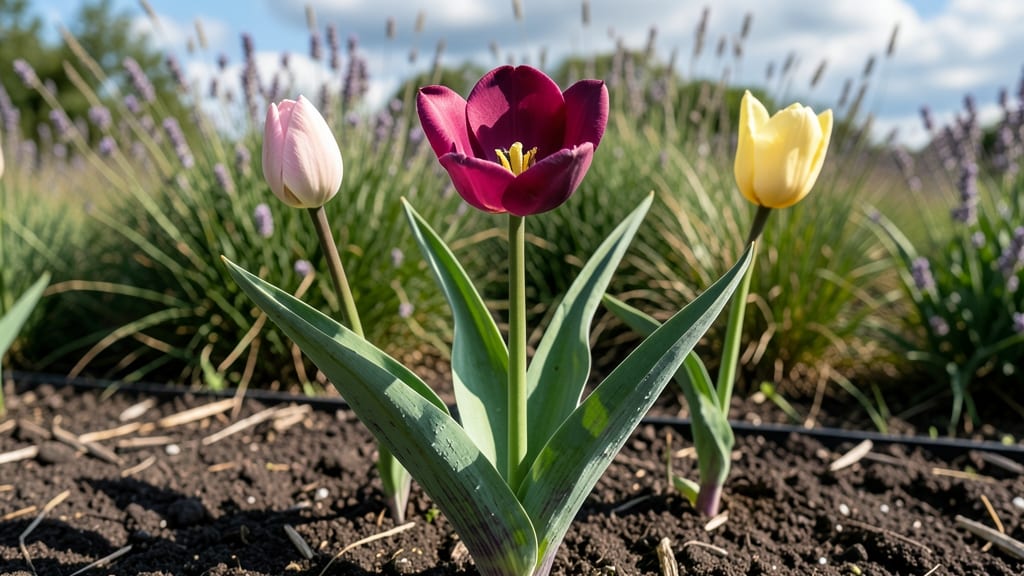
Tulips typically bloom for 3 to 7 days per individual flower, with the entire plant's flowering period lasting 2 to 3 weeks based on variety, sunlight exposure, and proper care. Darwin hybrids often last the longest, while late-season varieties tend to have shorter displays.
Understanding tulip bloom duration helps you plan your garden or vase arrangements effectively. 🌷 The difference between early and late bloomers comes down to genetics—Darwin hybrids, for example, have been bred specifically for extended vase life, often lasting up to 10 days when cut properly.
Meanwhile, late-season varieties like Fosteriana tulips may only show their full beauty for 3-4 days per bloom. What's fascinating is how environmental factors like temperature swings or afternoon shade can cut bloom time nearly in half, so choosing the right location matters just as much as the variety you select.
For gardeners, this means timing is everything—planting early bloomers in cooler microclimates can push their season by a full week, while late bloomers thrive in warmer, sunnier spots. The key is balancing these factors to extend that vibrant display as long as possible.
💡 In This Article
- Tulip Bloom Duration by Variety: Early vs Late Bloomers
- Pro Tips to Maximize Tulip Bloom Lifespan
Tulip bloom duration by variety: early vs late bloomers
The bloom duration of tulips varies dramatically between varieties due to their genetic makeup and breeding purposes. Darwin hybrid tulips, for instance, are specifically bred for longevity in both garden and vase settings, often lasting 7 to 10 days per bloom.
This is because their thicker stems and larger blooms have been selected over generations to resist wilting and maintain moisture better than other types.
In contrast, late-season varieties like Fosteriana tulips typically bloom for only 3 to 4 days due to their smaller, more delicate petals that dry out faster in warmer conditions.
Climate plays a crucial role in extending or shortening bloom times. Tulips planted in regions with cool spring temperatures (50-60°F) often last 20-30% longer than those in warmer climates where temperatures exceed 75°F.
The reason is simple: heat accelerates respiration in the flower, causing it to consume its stored energy faster. For example, a Parrot tulip that might bloom for 5-7 days in a coastal climate could shrink to just 3 days in a hot inland garden.
Planting depth also matters—bulbs planted 6-8 inches deep develop stronger roots, giving flowers more stability and extending their vase life by 1-2 days compared to shallower plantings.
What most gardeners don't realize is how sunlight patterns affect bloom duration. Tulips need at least 6 hours of direct sunlight daily, but too much intense afternoon sun (especially in hot climates) can cause petals to crisp and wilt faster.
Early bloomers like Apeldoorn tulips actually benefit from morning sun and afternoon shade, which can extend their bloom by 1-2 days. This is why many gardeners use shade cloth or plant taller flowers nearby to provide natural protection without sacrificing the light they need for photosynthesis.
Another fascinating factor is the role of ethylene gas—naturally produced by plants as they age. In tulips, ethylene accelerates senescence (aging) and can cut bloom time by 25-30% if not controlled.
This is why removing spent blooms (deadheading) is crucial—it prevents ethylene buildup and can extend the next bloom cycle by 5-7 days in perennial varieties.
For example, a properly deadheaded Darwin hybrid might produce a second, smaller bloom 2-3 weeks later, whereas neglected plants often focus all energy on seed production rather than reblooming.
Let's look at some concrete examples to illustrate these differences:
- Darwin Hybrid: Blooms for 7-10 days per flower, total plant display 3-4 weeks (can rebloom with care)
- Parrot Tulip: Blooms for 5-7 days, total display 2-3 weeks (vibrant colors but heat-sensitive)
- Fransen Tulip: Blooms for 3-5 days, total display 2 weeks (frilly edges but delicate structure)
- Fosteriana Tulip: Blooms for 3-4 days, total display 1-2 weeks (early season, cold-hardy)
The key takeaway is that while genetics set the baseline, environmental factors and proper care can significantly alter how long your tulips stay in peak bloom.
For maximum impact, pair the right variety with the right conditions—Darwin hybrids in cooler climates with afternoon shade will give you the longest-lasting display, while Fosterianas will shine brightest in early spring before temperatures rise. 🌷