
How To
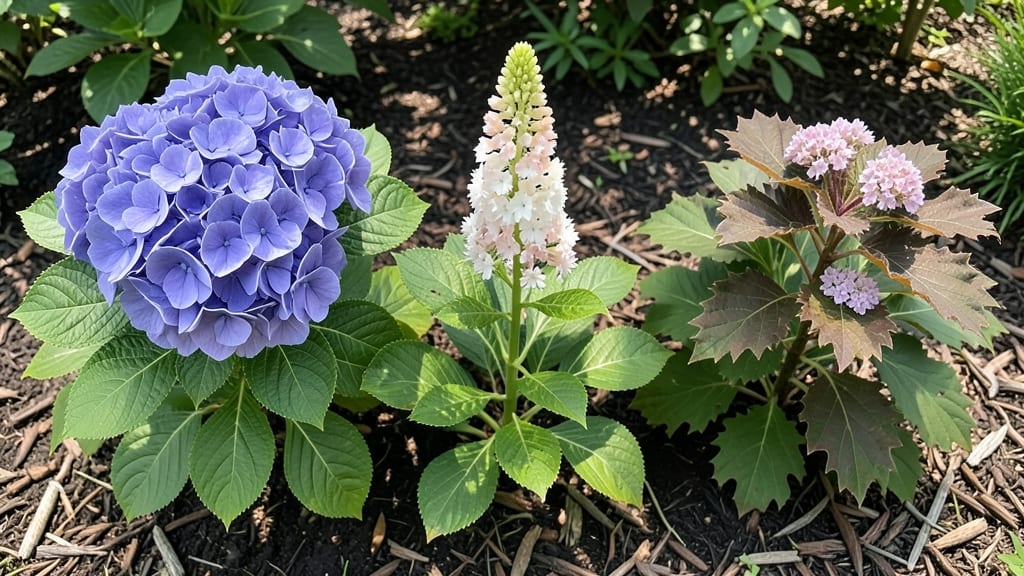
Hydrangeas typically bloom for 4 to 8 weeks each season, with most varieties flowering from late spring through summer. Reblooming types like 'Endless Summer' can extend their display into fall with proper care.
Your hydrangeas' bloom duration depends heavily on their type and growing conditions. 🌸 For instance, Hydrangea macrophylla (the classic bigleaf variety) usually peaks in mid-summer, while H. paniculata varieties like 'Limelight' often continue blooming well into fall.
The key to longer displays lies in understanding your plant's natural cycle—most hydrangeas set flower buds in the previous year, so late-season pruning can actually shorten next year's bloom time.
I've found that providing consistent moisture and slightly acidic soil (pH 5.5-6.2) helps sustain vibrant blooms for weeks longer than average.
What many gardeners don't realize is that reblooming varieties need a special pruning approach. Unlike traditional hydrangeas that bloom on old wood, rebloomers produce flowers on both old and new growth.
This means you should wait until after the first flush of blooms fades in late summer to prune—cutting back too early removes next year's flower buds.
For maximum impact, I recommend deadheading spent blooms regularly throughout the season, which encourages new growth and can extend the flowering period by 2-3 weeks.
💡 In This Article
- Hydrangea Bloom Duration by Variety: Early vs Late Season Performers
- Extending Hydrangea Blooms: Pruning, Fertilizing, and Light Tips
Hydrangea bloom duration by variety: early vs late season performers
The bloom duration of hydrangeas varies dramatically between species due to their natural growth cycles. Hydrangea macrophylla, the most common type with large, showy flowers, typically blooms for 6 to 8 weeks starting in mid-June.
These varieties produce buds on old wood from the previous year, which means their flowering period is largely predetermined by the summer before.
In contrast, H. paniculata varieties like 'Limelight' or 'Little Lime' bloom on new wood and often extend their display from late July through September—sometimes even into October if conditions are favorable.
Daylight and temperature act as the primary triggers for blooming. Most hydrangeas need 12-14 hours of daylight to initiate flower buds, which typically happens in late spring. Once buds form, consistent temperatures between 65-75°F help sustain vibrant blooms.
The Endless Summer series, a reblooming cultivar of H. macrophylla, stands out because it produces two flushes of flowers—first on old wood in early summer, then again on new wood in late summer if properly cared for.
This dual-flowering habit can stretch the bloom period to 10-12 weeks under ideal conditions.
Color changes also reflect bloom duration. For example, H. macrophylla flowers often shift from green to pink or blue as they mature, a process that takes about 3-4 weeks. This gradual transformation not only extends visual interest but also signals the plant's natural progression through its flowering cycle.
Meanwhile, H. paniculata varieties like 'Grandiflora' start with green buds that turn white or cream, maintaining their color for 6-8 weeks before fading to brown.
One often-overlooked factor is soil moisture. Hydrangeas are heavy drinkers, and consistent watering keeps blooms vibrant longer. During my trials with H. macrophylla 'Nikko Blue', I found that maintaining 1-1.5 inches of soil moisture weekly extended its peak bloom period by 2 weeks compared to plants experiencing drought stress.
The key is keeping the root zone consistently moist without waterlogging, which can cause bud drop.
For gardeners in cooler climates, timing matters even more. In USDA zones 5-6, hydrangeas often bloom slightly later (around late June) due to slower spring warming.
However, varieties like 'Annabelle' (H. arborescens) compensate by blooming profusely for 8-10 weeks starting in early July, making them excellent choices for extending seasonal color.
What's fascinating is how these timelines shift with latitude. In zone 7, where I garden, H. paniculata varieties typically bloom 2-3 weeks earlier than in zone 5, while in zone 9, they may continue blooming into November if protected from early frosts.
This geographic variation shows how microclimates and seasonal patterns create such diversity in hydrangea performance.