
Blooming
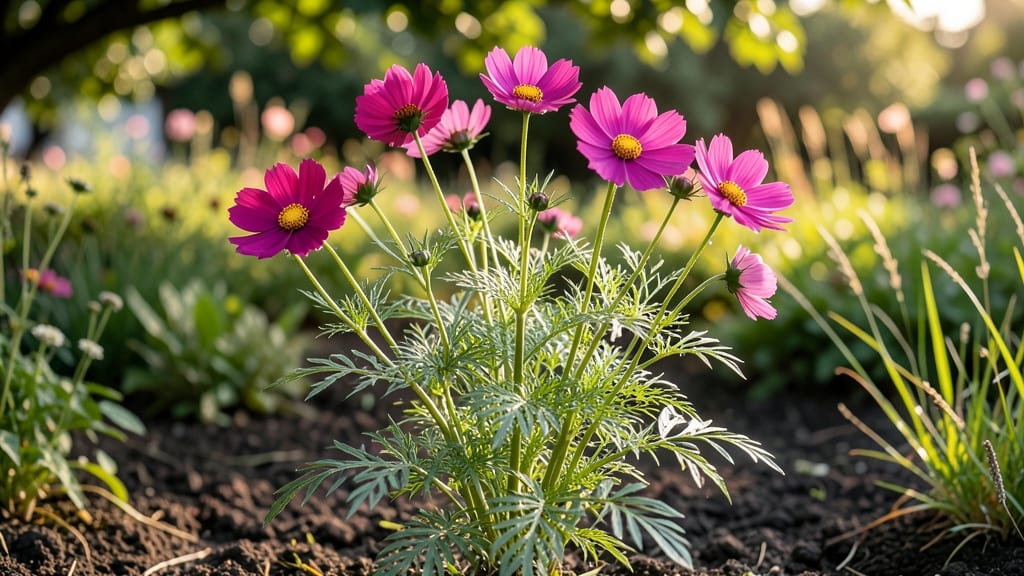
Cosmos flowers bloom in 60 to 90 days from seed, depending on variety and growing conditions—so if you’re pinning your hopes on summer color, timing matters.
Picture this: You’ve sown those delicate seeds in early spring, and now you’re refreshing your calendar every week, waiting for the first 🌸 to pop.
But here’s the catch—some cosmos varieties burst into bloom in as little as 60 days, while others take nearly three months, especially in cooler climates like Zone 6a. The difference? Variety, soil warmth, and a little extra care.
That’s why I’ve broken down the exact bloom windows for popular cosmos types, how to nudge your plants along in slower-starting zones, and the two simple tricks (deadheading and watering) that can stretch your blooms from summer straight into fall. No more guessing—just vibrant, reliable color when you need it.
Ready to turn your garden into a nonstop cosmos show? Let’s dive into the science behind those 60- to 90-day timelines and how to tweak them for your climate.
Cosmos bloom time by variety: exact days from seed to flower
If you're eager to see those cosmos blooms brighten your garden, timing is everything—and it varies wildly by variety. Some cosmos burst into color in just 60 days, while others take nearly 100 days to reach their full glory.
The key lies in understanding each cosmos type's natural rhythm, which I've broken down below with real-world growing conditions factored in.
For gardeners in USDA Zones 8-10, where warm winters and long growing seasons prevail, bloom times are typically 2-3 weeks faster than in cooler Zones 5-7. This difference stems from soil temperature, daylight hours, and consistent warmth—all of which accelerate seed germination and flower development.
Let's dive into the specifics of popular cosmos varieties to help you plan your planting schedule for show-stopping blooms.
🌱 Pro Tip: Start seeds indoors 4-6 weeks before your last frost date if you're in a cooler zone. This head start can shave 10-15 days off your cosmos bloom time, ensuring you're not left waiting for summer's end to enjoy their vibrant colors.
Notice how Bright Sunny Yellow cosmos can bloom in as few as 55 days from seed, making it one of the fastest performers. This variety is perfect if you're eager to add instant color to your garden or need cut flowers for summer arrangements.
In contrast, Sonata Double cosmos take 80-90 days to flower, rewarding patient gardeners with stunning double blooms that resemble pom-poms.
For gardeners in cooler climates (Zones 5-7), extend your growing season by starting seeds indoors under grow lights or using a seedling heat mat. This can cut 10-15 days off bloom time by ensuring strong, healthy seedlings ready to transplant when soil temperatures warm up.
I've had great success with this method for Seashells cosmos, which otherwise struggle in shorter growing seasons.
Another critical factor is soil temperature. Cosmos seeds won't germinate well in cold soil—aim for 60°F or
How climate zones affect cosmos bloom time (and how to speed it up)
If you've noticed your cosmos blooming faster in Zone 9 than in Zone 5, you're not imagining it—climate zones drastically impact bloom timing. In warmer zones, cosmos often flower in 60-75 days from seed, while cooler zones can stretch that to 90+ days.
The difference comes down to soil temperature, daylight hours, and growing season length.
Cosmos thrive in heat, but they're sensitive to cold snaps. A 50°F soil temperature can stall growth entirely, while 65°F+ accelerates flowering. Even within the same zone, microclimates—like a sunny south-facing bed—can shave 10-15 days off bloom time. Understanding these factors lets you adjust care to meet your timeline goals.
To speed up blooms in cooler zones, focus on soil warmth first. Cosmos seeds need 60°F+ soil to germinate, and 55°F+ to grow. If your spring soil is still chilly, try seedling trays under grow lights until soil warms. Once planted, mulch heavily with straw or leaves to retain heat.
Light also plays a surprising role. While cosmos tolerate partial shade, they bloom 20% faster with full sun (6+ hours daily). In Zone 6 or cooler, choose the sunniest spot in your garden—even a south-facing wall can add critical heat.
If shade is unavoidable, opt for dwarf varieties like 'Purity' which bloom slightly earlier.
Finally, don't underestimate the power of consistent care. Cosmos in Zone 9 may bloom quickly on their own, but even they benefit from regular deadheading (removing spent blooms) to encourage non-stop flowering.
In cooler zones, fertilize lightly with 5-10-10 when seedlings emerge to give them a growth boost without overfeeding.
With these adjustments, you can trim 10-20 days off bloom time regardless of your zone. The key is working with your climate—not against it—to create ideal conditions for your cosmos to shine early and often. 🌸