
How To
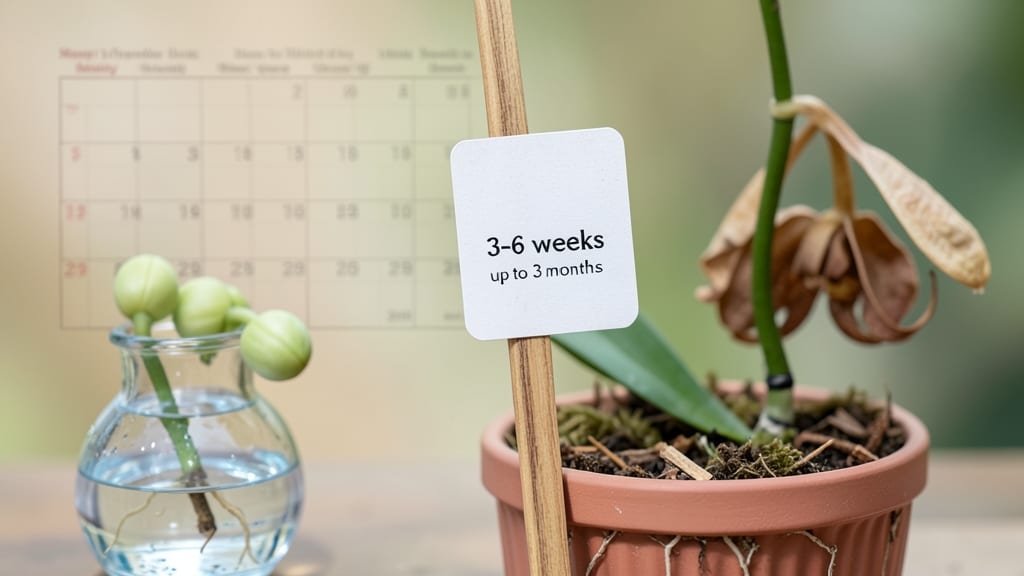
Orchids bloom for 2 to 8 weeks depending on the variety, but with the right care, you can stretch that beauty into months—even for your Phalaenopsis 🌸.
Those stunning orchid blooms you adore don’t last forever—but with the right Phalaenopsis care, you can double (or even triple) their natural lifespan from weeks to months. Whether it’s adjusting light, tweaking watering, or feeding at the perfect time, small changes make a huge difference.
Light is the most important factor—too much sun scorches the petals, while too little starves the buds. Then there’s water: orchids hate soggy roots but need consistent moisture. And don’t forget fertilizer—too much can burn the roots, while too little means weak blooms.
In this guide, I’ll break down exactly how to extend your orchid’s bloom time, from seasonal adjustments to troubleshooting common mistakes that cut blooms short.
Natural orchid bloom duration: Phalaenopsis lifespan explained
Understanding how long your Phalaenopsis orchids bloom naturally starts with recognizing their biological bloom cycle. These orchids typically produce flowers that last 2-3 months under ideal conditions, but many factors influence this duration.
The flowering process begins when the plant receives proper signals like light exposure and temperature shifts, triggering bud formation.
Each Phalaenopsis bloom spike emerges from a growth node on the plant's rhizome, and the number of buds determines how long the display lasts. A single spike can produce 10-20 flowers, but they open sequentially over 3-6 weeks, with each individual bloom lasting 7-10 days before wilting naturally.
Seasonal variations play a crucial role in bloom duration. In spring and summer, when natural light increases, orchids often produce longer-lasting blooms compared to fall and winter when daylight is limited. The plant's maturity also affects bloom length—older, established plants typically flower more prolifically and for longer periods.
Environmental conditions like temperature (ideal range: 65-80°F), humidity (50-70%), and air circulation directly impact how long your orchid stays in bloom. Even slight deviations can cause buds to drop prematurely or flowers to wilt faster than expected.
The flower maturity stages of Phalaenopsis orchids follow a predictable pattern. Buds first appear as small green nubs, then swell and develop color over 7-14 days before opening.
Each bloom follows this sequence: bud stage (3-5 days), opening (1-2 days), and full bloom (5-7 days) before natural wilting begins.
One often overlooked factor is the orchid's dormancy period after blooming. During this 4-6 week rest phase, the plant redirects energy to root and leaf growth rather than flowering. Skipping this rest period can lead to exhausted plants that produce shorter-lived blooms in subsequent cycles.
Light exposure is critical—Phalaenopsis orchids need 10-12 hours of bright indirect light daily to maintain healthy blooms. Insufficient light causes buds to drop before opening, while direct sunlight can scorch petals and shorten bloom time. Position your orchid near an east or west-facing window for optimal results.
Temperature fluctuations also affect bloom duration. While Phalaenopsis orchids thrive in 65-80°F conditions, sudden drops below 60°F or spikes above 85°F can cause buds to abort. Maintaining consistent temperatures helps extend the visible bloom period by preventing stress-related wilting.
Humidity levels between 50-70% create the ideal environment for prolonged blooming. Lower humidity causes buds to dry out prematurely, while excessive moisture can promote fungal growth that weakens flower stems. Use a humidifier or place your orchid on a pebble tray during dry indoor seasons.
Finally, the orchid's hydration status plays a surprising role in bloom duration. While they need consistent moisture, overwatering can lead to root rot and premature bud drop. Always allow the orchid mix to dry slightly between waterings—typically 5-7 days—to maintain optimal bloom health.
5 Proven care techniques to extend orchid bloom time
If you love your Phalaenopsis orchids for their breathtaking blooms, you’ve probably wondered why they don’t stay vibrant longer. The average orchid bloom duration is just 2-3 months, but with the right care, you can push that to 4-6 months—or even longer!
The secret lies in mimicking their natural tropical environment while avoiding common care mistakes. Let’s dive into the science-backed techniques that’ll keep your orchids flowering like never before.
First, understand that orchid blooms thrive on consistency. Small tweaks in light exposure, watering habits, and temperature control can dramatically extend their lifespan. For example, most gardeners overlook the importance of humidity levels—keeping them between 40-70% can add weeks to your blooms.
Pair this with the right fertilizer schedule, and you’ll transform your orchid from a short-lived showstopper into a long-lasting centerpiece.
- 🌞 Optimize Light: Place orchids in bright indirect light (10-12 hours/day). Avoid harsh sunlight to prevent leaf burn.
- 💧 Water Correctly: Soak roots once weekly (morning only) and let excess water drain completely.
- 🌡️ Control Temperature: Keep daytime temps at 65-80°F and nighttime drops to 55-65°F.
- 🌿 Boost Humidity: Use a pebble tray or humidifier to maintain 40-70% humidity.
- 🌱 Fertilize Strategically: Apply balanced fertilizer (20-10-20) every 2 weeks during blooming season.
Let’s start with light optimization, the most critical factor for prolonging blooms. Phalaenopsis orchids need bright indirect light—think of it as a sunny day under a canopy. Place them near an east or west-facing window, where they’ll receive gentle morning or afternoon sun.
If your home lacks natural light, supplement with a grow light for 12-14 hours daily. Too little light causes leggy growth and weak blooms, while too much can scorch leaves.
Next, master your watering schedule. Most gardeners overwater, which leads to root rot and premature bloom drop. Instead, water your orchid once weekly by soaking the pot in room-temperature water for 5-10 minutes.
Drain excess water completely—no soggy roots!. In winter, reduce watering to every 10-14 days since growth slows. Always water in the morning to allow foliage to dry before nightfall, reducing fungal risks.
Temperature fluctuations can also shorten bloom time. Phalaenopsis orchids prefer daytime temps between 65-80°F and a 10°F drop at night. If your home stays too warm (above 85°F), blooms may wilt faster. Use a small fan to improve air circulation or move your orchid to a cooler spot.
Avoid drafts from AC vents or heaters, as sudden temperature swings stress the plant and cause buds to drop.
Don’t underestimate the power of humidity—it’s the silent hero of orchid care. These tropical plants thrive in 40-70% humidity, but most homes sit at 30-50%. Place your orchid on a pebble tray filled with water and pebbles, or use a humidifier nearby.
Grouping orchids together also creates a microclimate with higher humidity. Pro tip: Mist leaves daily in dry climates, but avoid wetting flowers to prevent spots.
Finally, fertilizer timing makes all the difference. During the blooming season (spring-summer), feed your orchid with a balanced fertilizer (20-10-20) every 2 weeks at half-strength. This provides the phosphorus boost needed for flower production.
In fall and winter, skip fertilizing entirely to let the plant rest. Over-fertilizing burns roots and weakens blooms, so always dilute fertilizer as directed.