
Blooming
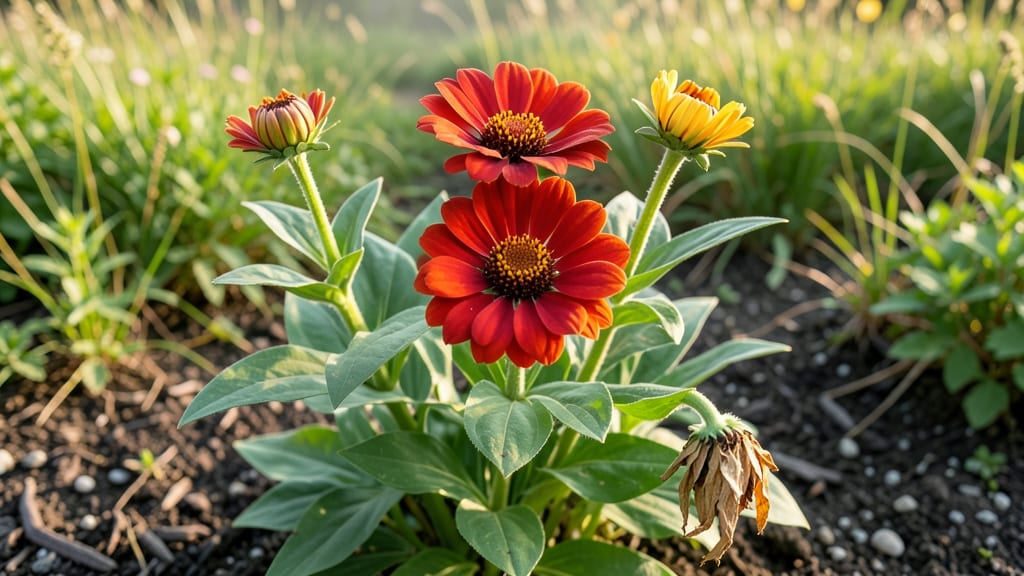
Zinnia bloom stages reveal why these flowers go from seed to showstopper in just 10 days. 🌻 I’ve watched them transform my garden from blank canvas to vibrant explosion—here’s exactly what happens, and how to keep them blooming all season.
The journey starts with tiny green buds peeking through the foliage, then swells into tight clusters before bursting into full color. Each stage needs slightly different care: buds love consistent moisture, while blooms thrive with deadheading.
The difference between a handful of flowers and a garden full is how you handle these transitions. By day 10, you’ll see those iconic dinner-plate blooms opening wide, their petals radiating warmth even on cool mornings. The secret?
Prune spent blooms immediately to trigger more flowers, and keep stems sturdy with regular watering—never letting them wilt between drinks. Common mistakes happen at every stage: overwatering buds causes rot, while skipping deadheading lets zinnias focus on seed production instead of blooms.
But once you recognize these signs, your zinnias will keep performing like they’re on a never-ending stage show.
📚 In This Guide
- What you need
- Instructions
- Tips and common mistakes
- Wrapping up and next steps
What you need
- ● Zinnia seeds: Choose Zinnia elegans varieties (e.g., 'Benary’s Giant' or 'Profusion'). Plant 3-5 seeds per pot (or 10-15 seeds per square foot in garden beds).
- ● Well-draining potting mix: 1 gallon per 6-inch pot or 2 cubic feet for in-ground planting. Mix with 20% perlite or vermiculite for aeration.
- ○ Containers (optional): 6-inch pots (if not planting directly in the ground) with drainage holes.
- ● Balanced fertilizer (5-10-5): 1 tbsp per gallon of water for seedlings; ½ cup per 10 sq ft when blooming.
- ● Gloves & knee pads (for comfort during planting).
- ● Trowel or small shovel (for transplanting seedlings).
- ● Watering can or hose with a gentle spray nozzle (avoid soaking seeds).
- ● Spray bottle (for misting seeds post-planting).
- ● Pruning shears (for deadheading spent blooms).
- ● Sunlight access: 6+ hours of direct sun daily (zinnias thrive in full sun!).
- ● Seedling heat mat (if starting indoors in cool climates).
- ● Plant labels (to track varieties and bloom stages).
- ● Epsom salt (1 tsp/gallon) (boosts magnesium for vibrant blooms).
- ● Companion plants (e.g., marigolds or nasturtiums to deter pests).
How to identify and care for zinnia bloom stages
Watch zinnias transform from tight buds to vibrant blooms—here's what each stage looks like and how to keep them thriving.
🌱 Step 1: Recognize the Bud Formation Stage
New buds appear as small, rounded swellings at the stem tips, typically 4-6 weeks after planting. These tight, green clusters feel firm to the touch and resemble tiny golf balls. I always check for 3-4 buds per stem—this signals healthy growth and upcoming blooms.
At this stage, zinnias need bright light (6+ hours daily) and moderate watering (1 inch per week). Overwatering now causes buds to split open prematurely, ruining their shape. I water at the base in the morning so leaves dry quickly, preventing fungal issues.
☀️ Step 2: Monitor the Color Development Phase
Bud colors start shifting from green to your plant's mature hue 7-10 days before full bloom. You'll notice subtle streaks of pink, red, or orange peeking through the green casing. This is the moment to adjust care—zinnias respond well to light fertilizing (5-10-10, half-strength) every 2 weeks during this phase.
Watch for bud blast—a fungal disease that causes buds to turn brown and drop. This happens when nights stay above 75°F with high humidity. I always remove affected buds immediately and space plants 12-18 inches apart for airflow. The goal is to let buds harden off before opening fully.
🌿 Step 3: Care for the Opening Bloom Stage
Full blooms unfurl over 3-5 days, starting with the center petals lifting first. You'll see the characteristic layered look of zinnias—tight center disks surrounded by radiating petals. This is peak beauty time, and they need daily deadheading (removing spent blooms) to encourage more flowers.
I pinch off blooms that start wilting at the edges—they're past their prime. The plant redirects energy to side buds, producing 2-3 new blooms per stem over the season. Use clean pruners or your fingers to avoid damaging stems. Water consistently at the base to prevent petals from getting soggy in the heat.
⏰ Step 4: Extend the Late-Stage Bloom Period
After 7-10 days of full bloom, petals naturally fade and droop. Don't remove the entire stem yet—wait until it turns brown and crispy. Cut back 1 inch below the faded bloom to stimulate new growth from lateral buds. This keeps zinnias producing flowers for 8-10 weeks total.
In cooler climates, I cover zinnias with frost cloth at night when temperatures drop below 50°F. The plants tolerate light frosts, but buds won't open properly in cold snaps. Harvest any remaining blooms before frost hits—they make stunning dried arrangements that last months.
Tips & tricks for perfect zinnia bloom development
Here's what nobody tells you about keeping your zinnias thriving through every bloom stage.
Bud Formation Insight: The 4-6 week window for bud formation is your first critical phase. I've found that checking for 3-4 buds per stem is your best indicator of healthy growth—any fewer suggests stress or poor light. If your buds feel soft or split open, you're likely overwatering. The key is morning watering at the base so leaves dry quickly, preventing fungal issues that can ruin your blooms before they even open.
Color Development Strategy: Those subtle color shifts 7-10 days before full bloom are your cue to fertilize lightly with 5-10-10 at half-strength. I've seen zinnias develop their most vibrant colors when given this boost during this exact window. Watch for bud blast—those brown, dropping buds are a red flag for nights above 75°F with high humidity. Remove affected buds immediately and increase airflow by spacing plants 12-18 inches apart.
Bloom Care Technique: The 3-5 day unfurling period is when zinnias show off their best. I always look for the center petals lifting first as my signal that full bloom is imminent. Daily deadheading is non-negotiable—pinch off wilting edges immediately to redirect energy to those 2-3 new blooms per stem your plant will produce. Water at the base only to keep petals from getting soggy in the heat.
Late-Stage Extension: Waiting until stems turn brown and crispy before cutting back 1 inch below is the secret to that 8-10 week bloom period. In cooler climates, I've learned to cover zinnias with frost cloth when nights drop below 50°F—buds won't open properly in cold snaps, but the plants handle light frost surprisingly well.
Pro Tips for Zinnia Bloom Stages
- Here's what nobody tells you about keeping your zinnias thriving through every bloom stage.
- Bud Formation Insight: The 4-6 week window for bud formation is your first critical phase.
- Color Development Strategy: Those subtle color shifts 7-10 days before full bloom are your cue to fertilize lightly with 5-10-10 at half-strength.
Frequently asked questions
Got questions about zinnia bloom stages?
Here are some common ones—plus quick answers to help you grow stunning zinnias from bud to full bloom!
How long does it take for zinnia buds to open after planting?
Most zinnia varieties bloom 60–75 days after planting seeds, but buds typically open within 10–14 days once they appear. Warmth (60–75°F) and full sun speed up the process. If buds stay closed, check for underwatering or pests!
Why are my zinnia buds not opening?
Bud blast (sudden wilting/dropping) is common in zinnias. Causes include overwatering, heat stress (above 90°F), or powdery mildew. Thin plants for airflow, water at the base, and avoid evening watering to prevent fungal issues. Pro tip: Deadhead spent blooms to encourage new buds!
Can I speed up zinnia blooming?
Yes! Start seeds indoors 4–6 weeks before the last frost, then transplant. Use full sun (6+ hours/day) and well-draining soil. A light fertilizer (like 10-10-10) at planting and mid-season boosts growth. Bonus: Pinch back young plants to encourage bushier, faster blooming!
Do zinnias bloom all season, or do they fade?
With care, zinnias bloom summer to first frost! They’re annuals, so they won’t return after dying back. To extend blooms, deadhead regularly and replant every 2–3 weeks for continuous color. In cool climates, start late-summer seeds for fall blooms. Note: They’re frost-sensitive!
What’s the best zinnia variety for quick blooms?
For fastest blooms (under 60 days), try:
- Benary’s Giant (classic, 60–65 days)
- Thumbelina (dwarf, 55–60 days)
- Crystal Series (heat-tolerant, 60 days)
Wrapping up and next steps
Understanding the zinnia bloom stages transforms your gardening journey from guesswork to a delightful, predictable art! 🌸 From the first bud to a vibrant burst of color, each phase is a testament to patience and care.
Whether you’re a seasoned gardener or just starting, these stages empower you to nurture zinnias with confidence—and watch them thrive.
Ready to level up your garden? Grab your notes, revisit the stages, and plan your next planting session—or even experiment with extending bloom time! 🌱 The best blooms start with knowledge, so get out there and grow something beautiful.