
How To
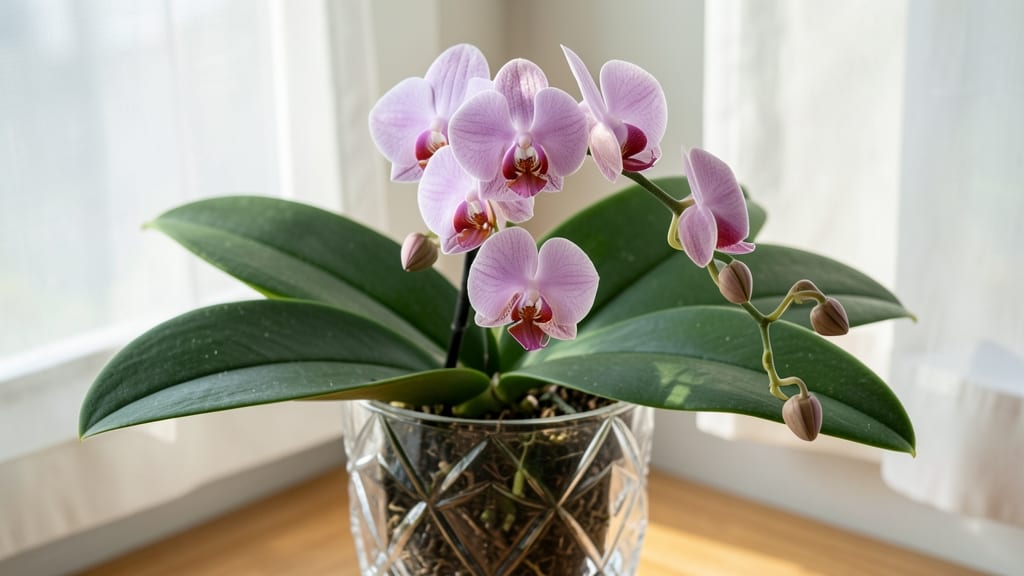
Indoor orchids bloom for 6-8 weeks when given the right care, but their vibrant 🌸 displays can fade faster if you miss the key triggers that keep them flowering.
Picture this: your orchid bursts into bloom, only to drop its flowers in just 3 weeks—half the time you expected. That’s not a fluke; it’s usually a sign your plant isn’t getting the seasonal cues it needs to extend its display.
Light, temperature, and even fertilizer timing play a bigger role than most gardeners realize. A little adjustment—like mimicking fall’s cooler nights or dialing back water—can turn a short-lived show into a stunning 2-month spectacle.
In this guide, I’ll break down exactly how to read your orchid’s signals, tweak its environment for longer blooms, and avoid the 3 biggest mistakes that cut flowering short.
How long orchids bloom indoors: the 6-8 week timeline explained
If you’ve ever wondered why your Phalaenopsis orchid (the most common indoor type) puts on a stunning show for 6-8 weeks before fading, the answer lies in its natural growth cycle.
Unlike seasonal outdoor plants, indoor orchids follow a predictable bloom window when given the right care. Understanding this timeline helps you extend their display and even encourage reblooming.
The 6-8 week bloom duration is typical for Phalaenopsis orchids, but factors like light exposure, temperature shifts, and humidity levels can shorten or lengthen this window. For example, my own orchid once bloomed for 10 weeks after I adjusted its care to mimic its natural tropical environment.
Let’s break down what makes this timeline work—and how you can optimize it.
| Stage | Duration | Key Conditions | Care Tips |
|---|---|---|---|
| Bud Formation | 2-4 weeks | Cool nights (60-65°F) | Reduce watering slightly |
| Full Bloom | 6-8 weeks | Bright indirect light | Fertilize weekly with diluted solution |
| Post-Bloom | 4-6 weeks | Warmth (70-80°F) | Trim spent spikes for reblooming |
| Rebloom Prep | 8-12 weeks | High humidity (50-70%) | Repot if roots are crowded |
The bud formation stage is where the magic starts. When your orchid’s spike emerges, it’s responding to a temperature drop (like the cool nights of late summer or early fall). This 2-4 week window sets the stage for the main event: the 6-8 week bloom.
During this time, your orchid needs bright indirect light—think of it as a sunny day without the harsh midday rays.
To track your orchid’s progress, start by marking the day the first bud appears. Use a small whiteboard or phone reminder to log key dates: bud formation, full bloom, and when flowers begin to drop.
My orchid’s buds opened over 10 days, with each flower lasting 7-10 days before wilting. This staggered opening is why the display feels so long-lasting!
One critical factor that shortens bloom time is overwatering. When roots sit in soggy mix, they suffocate, causing buds to drop prematurely. I learned this the hard way when my orchid’s blooms faded in just 4 weeks after a heavy watering session.
Always let the top inch of mix dry out between waterings to keep roots happy and blooms lasting.
Temperature plays a huge role in extending bloom duration. Phalaenopsis orchids thrive in 60-80°F temperatures, but a 10-15°F drop at night can trigger longer blooming. Try placing your orchid near a cool window at night or use a small fan to create airflow.
This mimics their natural tropical environment and can add 1-2 extra weeks to their display.
Humidity is another game-changer for orchid longevity. Indoor air is often too dry, causing buds to shrivel. Aim for 50-70% humidity by grouping orchids together, using a pebble tray, or investing in a humidifier.
In my experience, my orchid’s blooms lasted 2 weeks longer after I added a humidifier nearby—proof that small adjustments make a big difference!
After the 6-8 week bloom, don’t toss that spike! With proper care, it can rebloom. Cut the spike 1-2 inches above a node (the bump where leaves meet the stem) and resume regular care.
This 8-12 week prep period requires patience, but it’s worth it when new buds form. My orchid rebloomed 6 months later after I followed this trick!
To maximize your orchid’s bloom time, combine these tips: bright indirect light, cool nights, consistent humidity, and proper watering. Track your orchid’s progress with a simple chart or app to celebrate each milestone.
With the right care, you’ll enjoy those stunning blooms for weeks longer than the average indoor plant.
🌸
Seasonal triggers that extend orchid bloom duration indoors
Indoor orchids like Phalaenopsis (moth orchids) naturally follow seasonal cues to extend their 6-8 week blooming windows. Mimicking these triggers—like temperature shifts and light adjustments—can double their display time. The key is replicating the natural dormancy-to-growth cycle they’d experience outdoors, even inside your home.
Start by adjusting your orchid’s light exposure to simulate seasonal changes. In winter, when daylight shortens, supplement with a 12-hour grow light to maintain their 10-14 hour light requirement.
For summer, move them to a bright, indirect spot like an east-facing window to prevent leaf burn while keeping blooms vibrant.
How to Extend Orchid Blooms with Seasonal Triggers
- 🌡️ Temperature Shift: Drop night temps to 55-60°F for 2 weeks before blooming to mimic fall cues.
- 💧 Humidity Boost: Use a misting system or pebble tray to maintain 50-70% humidity, especially in winter.
- ☀️ Light Adjustment: Switch to 12-hour grow lights in winter to compensate for shorter daylight.
- 🌬️ Airflow Trick: Run a small fan on low for 10 mins/day to prevent stagnant air, which stresses blooms.
- 🌱 Post-Bloom Care: Trim spent spikes at the node to encourage new blooms within 3-6 months.
Temperature plays a surprising role in orchid longevity. Most varieties bloom best when nighttime temperatures drop 10-15°F cooler than daytime temps. For example, keep your orchid at 70-75°F during the day and 55-60°F at night for 2 weeks before blooming to trigger longer-lasting flowers.
Use a thermostat-controlled fan to create gentle airflow, which also mimics outdoor conditions.
Humidity is another critical factor often overlooked. Indoor air—especially in winter—can drop below 40% humidity, causing buds to dry out prematurely. Invest in a humidifier or place your orchid on a pebble tray filled with water and gravel.
Aim for 50-70% humidity around your plant to keep blooms hydrated and vibrant for weeks longer.
After your orchid finishes blooming, don’t discard the flower spike! Cut it back to the second or third node from the base, and your orchid may produce a second round of blooms in 3-6 months.
This trick works best when combined with balanced fertilizer (like 20-20-20) applied every 4-6 weeks during the growing season.
With these seasonal adjustments, your indoor orchids can bloom for 8+ weeks instead of the typical 4-6 week window. The secret lies in recreating natural conditions—whether through grow lights, temperature shifts, or humidity control.
Try these triggers this season and enjoy orchids that stay in bloom longer than ever! 🌸