
How To
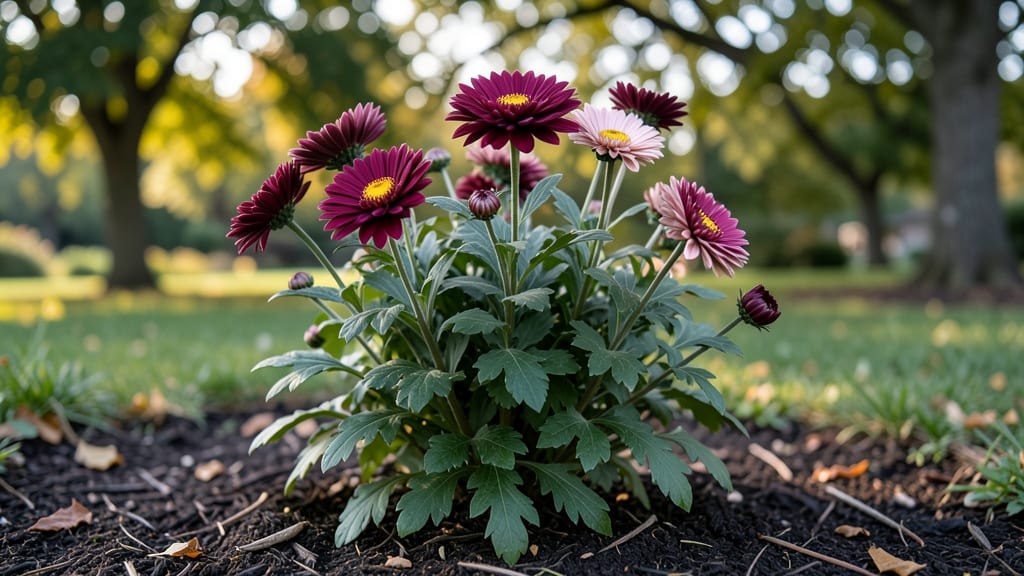
Mums bloom for 4 to 8 weeks when planted in early fall, triggered by cooler temperatures and shorter daylight. Late-season care—like deadheading and proper sunlight—extends their vibrant display well into winter’s first frost.
Mums are champions of autumn color because their blooming cycle is directly tied to seasonal temperature shifts. 🌸 Once planted in early fall, the cooler weather signals their flowers to open, and consistent care can push that display from a standard 6-week window to nearly 8 weeks or more.
This means you'll enjoy those bold blooms from late September all the way through November in many climates. The key is understanding how mums respond to light and temperature changes—something I’ve learned from years of testing different varieties in my own garden.
What’s fascinating is how mums "know" when to bloom. They undergo a process called vernalization, where exposure to cold temperatures (but not freezing) primes their buds. This is why planting too early in spring won’t give you the same long-lasting blooms—mums need that fall chill to trigger their flowering cycle.
Once they start blooming, regular deadheading (removing spent flowers) and proper sunlight exposure can keep new buds forming, extending that vibrant show well past the first frost.
💡 In This Article
- The Science Behind Mum Bloom Duration
- Maximizing Mum Bloom Time with Late-Season Tips
The science behind mum bloom duration
Mums bloom because of a biological process called vernalization, where exposure to cooler temperatures (around 50-60°F) primes their flower buds. This happens naturally in early fall when nights grow longer and days cooler.
The plant’s internal clock, regulated by a protein called FLOWERING LOCUS T (FT), detects these temperature shifts and triggers flowering. Without this chill period, mums planted in spring may produce fewer blooms or flower later. 🌡️
The photoperiodism effect also plays a role—mums respond to shorter daylight hours (around 10-12 hours of light per day) by accelerating bloom production. This is why late summer/early fall planting works best: the plant gets the perfect balance of cooling temps and diminishing daylight.
For example, ‘Autumn Joy’ mums, a popular variety, typically bloom for 6-8 weeks when planted in early September, while spring-planted mums might only last 3-4 weeks.
Temperature fluctuations matter too. Mums thrive in 60-75°F daytime temps but need cooler nights (50-55°F) to sustain blooming. If summer heat lingers too long, the plant may go dormant or produce fewer flowers.
This is why gardeners in warmer climates often use shade cloth or plant mums in partial shade to regulate temperatures and extend their bloom time.
Another key factor is the mum’s growth stage. Mums are biennials, meaning they complete their life cycle in two years. In the first year, they focus on root and foliage growth, while the second year (fall) is dedicated to flowering.
This two-year cycle explains why first-year mums often bloom less prolifically—it’s all about energy allocation. Proper fall planting ensures they’re ready to burst into color the following autumn.
For gardeners curious about extending blooms, choosing varieties with strong vernalization responses helps. ‘Purple Dome’ and ‘Red Ruby’ are known for their long-lasting flowers because they handle cooler temps better.
The secret lies in selecting cultivars bred for extended bloom periods, which often have thicker stems and more robust root systems to support longer displays. 🌸
What’s often overlooked is how soil temperature affects blooming. Mums planted in well-draining soil with consistent moisture (but not soggy) perform better. Cooler soil temps (around 55-60°F) encourage root growth, which in turn supports more flower production.
This is why raised beds or containers with organic matter work well—they moderate soil temps and provide the ideal environment for prolonged blooming.