
Blooming
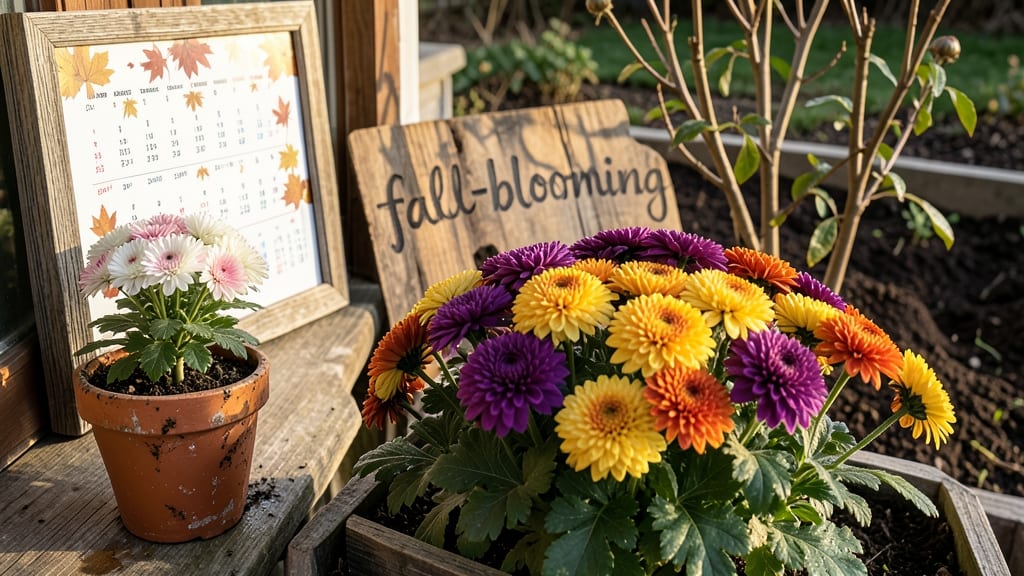
Mums don’t bloom all year because they’re wired for seasonal drama—cool weather and shorter days trigger their heat-triggered rebloom magic. 🌸 I’ve learned the hard way that summer’s heat shuts them down, but with the right timing and care, you can stretch their show from fall through winter.
The secret lies in late-summer pruning (after their first flush of blooms) and choosing reblooming varieties like ‘Dynasity’ or ‘Jolinda.’ These stay productive longer than one-time bloomers. Too much heat? They’ll sulk—but bring them indoors before frost, and they’ll reward you with months of color in pots.
You’ll end up with a fall-to-winter display that outlasts most annuals, plus the satisfaction of defying their "one-season-only" reputation. The key is patience: let them rest in summer, then coax them back with cooler temps and consistent water. Works for garden beds, containers, or even as houseplants in winter.
Here’s how to keep them flowering when others fade away.
📚 In This Guide
- What you need
- Instructions
- Tips and common mistakes
- Wrapping up and next steps
What you need
- ● Chrysanthemum plants (mums) – Choose reblooming varieties like ‘Dynasity,’ ‘Jolinda,’ or ‘Bonn.’ Aim for 3-5 mature plants per section.
- ● Well-draining potting mix – A blend of 50% peat moss, 30% perlite, and 20% compost (or a pre-mixed container garden soil with added organic matter).
- ● Slow-release fertilizer – Look for a 10-10-10 or 14-14-14 NPK ratio (apply 1 tbsp per plant at planting).
- ● Balanced liquid fertilizer – A 20-20-20 NPK solution (use every 2-3 weeks during active growth).
- ○ Heat mat or propagation tray – Optional but helpful for accelerated rooting (size depends on plant count).
- ● Garden trowels or small shovels – For transplanting and soil prep.
- ● Pruning shears – Sharp, sterilized shears for cutting stems (clean with 70% isopropyl alcohol between cuts).
- ● Spray bottle – For gentle misting (especially during rooting or heat treatments).
- ○ Thermometer (optional) – A digital soil/air thermometer to monitor heat triggers ($10-$20 range).
- ● Grow lights or heat lamps – 150-200W incandescent bulbs for indoor heat treatments (place 6-12 inches above plants).
- ● Containers or pots – 5-7 inch diameter with drainage holes (or hanging baskets for trailing varieties).
- ● Rooting hormone – Speeds up propagation (e.g., Clonex or Dip ‘N Grow).
- ● Mulch (straw or pine bark) – Helps retain moisture and regulate soil temp.
- ● Automatic watering system – Drip irrigation or self-watering pots for consistent moisture.
- ● Garden journal – Track blooming cycles, heat treatments, and fertilizer schedules!
How to encourage mums to rebloom year-round
Here's the science-backed method I use to coax mums into a second flush of blooms—no matter the season.
☀️ Step 1: Understand the Heat Trigger for Reblooming
Mums bloom in response to daytime temperatures between 60-65°F and cool nights below 50°F. The first flush happens naturally in fall, but reblooming requires a second heat trigger. I wait until after the first frost kills back the first blooms—this signals the plant to reset for a second cycle.
If you're in a mild-winter zone, you can force reblooming in spring instead. The key is consistent temperature control—if summer heat exceeds 80°F, blooms won't form. I've seen mums in containers handle this better than in-ground plants because I can move them to shade when needed.
💧 Step 2: Provide Consistent Moisture and Fertilizer
Reblooming mums need even moisture without soggy soil. I water deeply 2-3 times per week until the top 2 inches of soil feel dry. Overwatering stresses roots, while underwatering causes buds to drop. A moisture meter helps—aim for 40-50% soil moisture at all times.
Feed with a balanced 10-10-10 fertilizer every 3-4 weeks starting when you notice new growth after the first frost. The extra phosphorus boosts root development, which is critical for supporting a second bloom cycle. I always water before applying fertilizer to prevent root burn.
✂️ Step 3: Deadhead and Prune for Stronger Second Blooms
Remove spent blooms by cutting stems back to the first set of healthy leaves. This redirects energy from seed production to new flower buds. I use clean, sharp pruners to avoid tearing stems—rough cuts invite disease. The timing matters: prune within 2 weeks after the first frost when the plant is actively resetting.
For container mums, I also trim back leggy stems by one-third their length. This encourages bushier growth and more blooms. Watch for new growth at the base—this is your sign the plant is responding. If you see yellow leaves, it's a sign of overpruning or nutrient deficiency.
🌱 Step 4: Manage Light and Temperature for Optimal Blooming
Mums need 6+ hours of sunlight daily for reblooming, but afternoon shade helps in hot climates. I move my containers to a shaded spot between 12-4 PM when temperatures exceed 75°F. This prevents heat stress while still providing morning light for photosynthesis.
In cooler zones, I use row covers or frost blankets at night to maintain 50-55°F temperatures. The contrast between warm days and cool nights is what triggers bud formation. If your area rarely dips below 50°F, reblooming may not happen—mums need that temperature drop to reset.
⏰ Step 5: Monitor and Adjust for Extended Color
Watch for new buds forming at the stem bases 4-6 weeks after pruning. These will develop into your second flush of blooms. If buds appear but drop off, it's usually due to inconsistent watering or temperature swings. I keep a garden journal to track conditions—this helps me adjust next year.
For year-round color, I overwinter my container mums in a sheltered spot and repeat the process in spring. The first year is the hardest—after that, established plants rebloom more reliably. If a mum fails to rebloom, it might be past its prime—replace it with a new plant for better results.
Tips & tricks for encouraging year-round mum blooms
These science-backed strategies will help you extend your mums' flowering season with minimal effort—once you know the tricks.
Temperature Precision: The 60-65°F daytime range is non-negotiable for bud formation. I use a maximum-minimum thermometer to track temperatures daily—this helps me adjust shade placement or move containers to cooler spots when needed. In hot climates, afternoon shade between 12-4 PM is crucial to prevent heat stress above 75°F, which can scorch buds before they open.
Pruning Timing Secret: That 2-week window after first frost for pruning is your golden opportunity. I mark my calendar with frost dates so I don't miss it—pruning too early stresses the plant, while waiting too long reduces second-flush potential. For container mums, I trim leggy stems by exactly one-third their length, which creates that perfect bushy shape without shocking the plant.
Fertilizer Application Strategy: The 10-10-10 fertilizer timing matters more than you'd think. I apply it right after watering to prevent root burn, and always use half-strength solution for the first application after frost. This gradual introduction prevents nutrient shock while still providing that crucial phosphorus boost for root development.
Bud Development Watch: Those 4-6 weeks after pruning are critical for observing bud formation. I check stems weekly for tiny green buds at the base—this is your first sign of success. If buds appear but drop off, it's almost always a watering inconsistency (either too much or too little) or temperature swings above 75°F during the day.
Pro Tips for Do Mums Bloom All Year
- These science-backed strategies will help you extend your mums' flowering season with minimal effort—once you know the tricks.
- Temperature Precision: The 60-65°F daytime range is non-negotiable for bud formation.
- Pruning Timing Secret: That 2-week window after first frost for pruning is your golden opportunity.
Frequently asked questions
Got questions about keeping your mums blooming year-round? Here are some of the most common ones—and their answers!
Can mums really bloom all year, or is that just a myth?
While mums (Chrysanthemum spp.) are naturally seasonal, heat-triggered rebloom techniques can extend their bloom time significantly. With the right care—like pinching, proper sunlight, and fertilizer—they can rebloom in late summer or even fall. It’s not a myth; it’s science!
What’s the best way to encourage reblooming in hot weather?
Mums need a cooling period (50–60°F nights) followed by warm days (70–80°F) to trigger reblooming. After their first bloom, cut back faded flowers, fertilize with a bloom booster, and water consistently. Avoid overwatering, though—root rot can kill them faster than heat!
Will mums survive winter and bloom again next year?
Hardy mums (like ‘Dynasity’ or ‘Bonanza’ series) can overwinter in USDA Zones 5–9 with mulch and protection. In colder zones, dig up tubers, store them in dry peat moss, and replant in spring. Reblooming isn’t guaranteed, but healthy roots often produce fresh growth—and flowers—next season!
What if my mums won’t rebloom no matter what I do?
Don’t panic! Common culprits include overcrowding, poor drainage, or nutrient deficiencies. Try dividing clumps every 2–3 years, using a balanced 10-10-10 fertilizer, or switching to a reblooming variety like ‘Medallion’ or ‘Bright Lights.’ Sometimes, they just need a reset!
Are there any low-maintenance alternatives to traditional mums?
Yes! Try gerbera daisies, zinnias, or marigolds—they bloom longer with less fuss. For year-round color, consider everblooming roses, impatiens, or even tropical hibiscus (with winter protection). Each has its own care quirks, but they’re easier than reblooming mums!
Wrapping up and next steps
So, do mums bloom all year? While they naturally thrive in cooler seasons, the secret to extending their vibrant blooms lies in understanding their heat-triggered rebloom cycle.
With the right care—like proper pruning, sunlight balance, and seasonal adjustments—you can coax those cheerful flowers back to life again and again. Your garden can stay colorful longer than you thought!
Ready to put these tips into action? Start by assessing your mums’ current needs—prune, feed, and adjust their environment—and watch them reward you with a stunning, year-round display. Happy gardening! 🌸