
Blooming
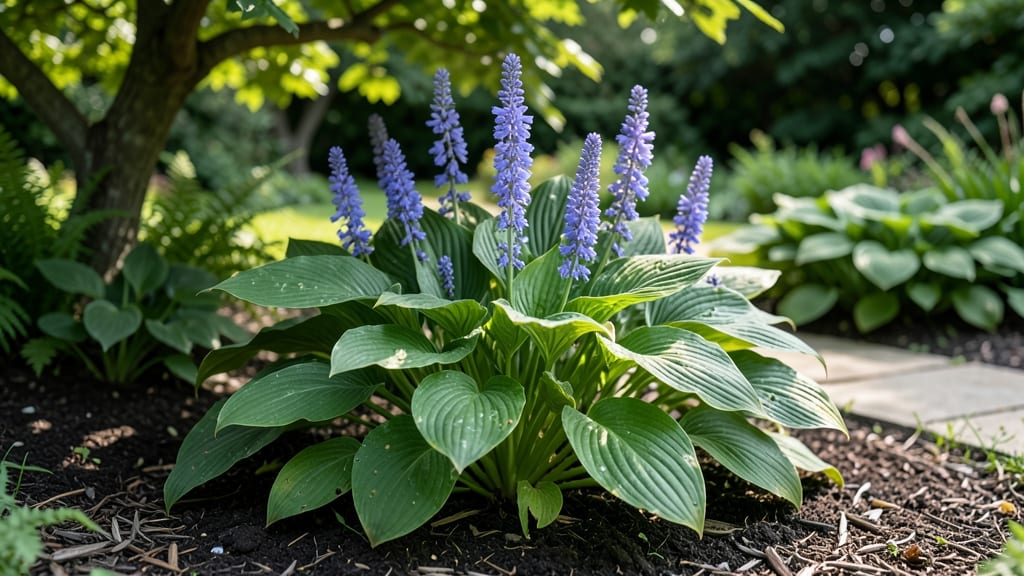
Hostas bloom in late spring to early summer 🌿, but the exact timing depends on your variety and climate zone — and missing the window can leave you staring at lush leaves with no flowers in sight.
If you’ve ever waited eagerly for your hostas to bloom—only to be met with disappointment—you’re not alone. Hostas are prized for their lush foliage, but their delicate flowers arrive at unexpected times depending on variety and climate zone. Understanding these patterns can transform your garden’s seasonal expectations.
The right conditions make all the difference: too much sun or shade can delay blooms, while proper soil and feeding can bring them earlier. Some varieties, like 'Blue Angel,' flower in early June, while others, like 'Halcyon,' wait until July—knowing these differences saves you from guessing.
In this guide, I’ll break down bloom times by variety, how your USDA zone shifts those dates, and the 5 simple tweaks that encourage bigger, earlier flowers—no green thumb required.
Hosta bloom time by variety: when to expect flowers
Hostas are famous for their stunning foliage, but their delicate lavender blooms often steal the show in late summer. The timing varies dramatically by variety and climate zone, with some blooming as early as June and others waiting until August.
Knowing these patterns helps you plan your garden’s seasonal highlights and avoid disappointment when flowers don’t appear on schedule.
Most hostas bloom in late summer to early fall, but a few early varieties surprise gardeners with June flowers. The key factors influencing bloom time include sunlight exposure, soil fertility, and maturity.
Younger plants may delay flowering while they establish roots, while mature specimens in ideal conditions can produce abundant blooms. Let’s explore the most popular varieties and their typical bloom windows.
Visual cues can help you identify when blooming is imminent. Look for tight flower buds forming on upright stems in early summer, which will unfurl into bell-shaped blooms over 4–6 weeks. Some varieties even produce fragrant flowers, adding another layer of sensory delight to your garden.
Early bloomers (June–July) include 'Halcyon' and 'Francee', while mid-season varieties like 'Blue Angel' and 'Guacamole' peak in August. Late bloomers such as 'Patriot' and 'June' may not flower until September. Below is a quick reference to help you plan your garden’s floral calendar.
| Variety | Bloom Time | Flower Color | Height (ft) | Key Notes |
|---|---|---|---|---|
| 'Halcyon' | June–July | Pale lavender | 1.5–2 | Early bloomer; fragrant |
| 'Francee' | Late June–July | Deep purple | 2–2.5 | Bold foliage; sturdy stems |
| 'Blue Angel' | August | Lavender-blue | 1–1.5 | Classic variety; reliable blooms |
| 'Guacamole' | Late July–August | Pale lavender | 1.5–2 | Chartreuse foliage; striking contrast |
| 'Patriot' | September | White with purple stripes | 2–2.5 | Late bloomer; disease-resistant |
| 'June' | Late August–September | Pale lavender | 1–1.5 | Compact; great for borders |
If you’re growing 'Halcyon' or 'Francee', expect the first buds to appear in early summer. These early bloomers reward patient gardeners with fragrant flowers that attract pollinators. Prune spent blooms to encourage a second flush of flowers, though this is more common in warmer climates like USDA zones 7–9.
For mid-season varieties such as 'Blue Angel' and 'Guacamole', blooms typically arrive in August. These varieties often produce longer-lasting flowers and pair beautifully with late-summer perennials like black-eyed Susans or coneflowers. Their upright growth habit makes them ideal for adding vertical interest to shady garden beds.
Late bloomers like 'Patriot' and 'June' extend the hosta bloom season into early fall. These varieties thrive in cooler climates (zones 4–6) and may delay flowering until after the dog days of summer.
Their white or pale lavender blooms provide a soft contrast to autumn foliage, making them a favorite for seasonal interest.
To encourage earlier or more abundant blooms, focus on soil fertility and sunlight. Hostas need well-draining, rich soil with a balanced fertilizer (10-10-10) applied in early spring.
Avoid over-fertilizing with nitrogen, which promotes leafy growth at the expense of flowers. Instead, opt for a phosphorus-rich fertilizer in late spring to support bloom development.
Another pro tip: Deadhead spent blooms regularly to redirect the plant’s energy into producing more flowers. This is especially effective for repeat-blooming varieties like 'Francee'. However, leave some seed pods if you want to naturalize your hostas—they self-seed readily in ideal conditions.
Finally, pay attention to your local climate. Hostas in Southern zones (8–10) may bloom earlier and more prolifically due to longer growing seasons, while those in Northern zones (3–5) might delay flowering until late summer. Adjust your expectations and care routines accordingly to maximize your host
How USDA hardiness zones affect hosta flowering seasons
Your hosta bloom time isn’t set in stone—it shifts dramatically based on your USDA hardiness zone. In cooler zones like 3-5, hostas often bloom later in late June or July to avoid early frost damage.
Meanwhile, gardeners in zones 7-9 may see flowers as early as May, thanks to milder winters and extended growing seasons. These differences aren’t just about timing; they reflect how frost sensitivity and heat tolerance shape your hostas’ flowering cycle.
For example, a Blue Angel hosta in zone 4 might wait until mid-July to bloom, while the same variety in zone 8 could flower by early June. This shift happens because warmer zones allow hostas to push growth earlier in the season.
Understanding these patterns helps you set realistic expectations and even adjust care routines to encourage blooms at your preferred time.
| USDA Zone | Typical Bloom Window | Key Climate Factor | Regional Exception |
|---|---|---|---|
| Zones 3-5 | Late June to July | Frost sensitivity delays growth | Northern gardens may see shorter bloom periods |
| Zones 6-7 | Mid-June to early July | Moderate frost risk, longer growing season | Humid climates may extend blooms into August |
| Zones 8-9 | May to June | Heat tolerance allows early growth | Southern gardens may bloom twice yearly in mild winters |
One common misconception is that all hostas bloom at the same time in a given zone. In reality, early bloomers like 'Halcyon' may appear in May even in zone 5, while late bloomers like 'Francee' might wait until August in zone 9.
This variability stems from each variety’s genetic adaptation to specific temperature ranges. For instance, tall hostas often bloom later because they prioritize foliage growth first.
Heat also plays a surprising role. In zones 8-9, hostas can suffer from heat stress if summer temperatures exceed 90°F, causing flowers to bolt prematurely or fail to open fully. To combat this, I recommend providing afternoon shade and increasing soil moisture during peak heat.
In contrast, cooler zones benefit from mulching to protect roots from late-spring frosts, which can delay blooming by weeks.
If you’re in a transition zone (like zone 6b), your hostas may experience unpredictable blooming due to microclimates. For example, a north-facing slope might stay cooler, pushing blooms later, while a south-facing bed could trigger earlier flowering.
Pay attention to these localized conditions—they often explain why your neighbor’s hostas bloom weeks before yours!
Finally, don’t overlook the role of day length. Hostas are long-day plants, meaning they rely on increasing daylight to trigger flowering. In northern zones, this happens gradually in late spring, while southern zones experience longer days year-round, potentially leading to continuous or staggered blooms.
By aligning your planting timing and care routines with these natural cues, you can fine-tune your hostas’ flowering schedule to match your garden’s rhythm. 🌿