
Blooming
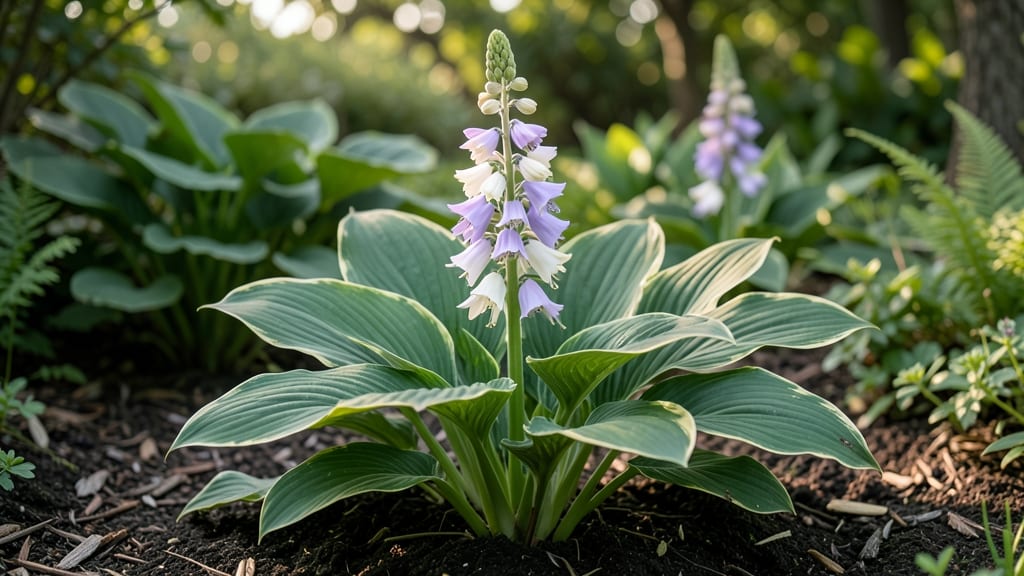
Hostas do bloom flowers, though many gardeners focus on their lush foliage instead. Bloom frequency depends on variety, age, and growing conditions, with some producing fragrant spikes in summer or early fall after proper care.
While hostas are prized for their striking foliage, their delicate flower spikes can add unexpected charm to shady gardens. 🌸 The blooms—often lavender, white, or pale purple—appear on mature plants (typically 3+ years old) when given the right conditions.
Some varieties, like 'June' or 'Halcyon,' reliably produce fragrant blooms, while others prioritize leaf growth. The key to encouraging flowers lies in balancing sunlight (partial shade works best) and proper nutrients, especially phosphorus, which supports flowering.
What many gardeners don't realize is that hostas often bloom after their foliage has peaked, making them a late-season surprise. I've found that removing spent flower stalks (deadheading) right after blooming can actually stimulate a second round of flowers in some varieties.
The trade-off? You might sacrifice next year's seed production—but the extra blooms are worth it for many enthusiasts!
💡 In This Article
- Why Some Hostas Skip Flowering and How Varieties Differ
- Best Practices to Encourage Hostas to Bloom More Frequently
Why some hostas skip flowering and how varieties differ
The decision to bloom—or not—starts with a hosta's genetic blueprint. Some varieties, like the popular 'June' hosta, are hardwired to produce abundant flower spikes, while others like 'Blue Angel' prioritize foliage growth.
This genetic programming is tied to their native habitats: hostas evolved in shaded forest floors where sunlight was scarce, so energy conservation often means prioritizing leaf production over flowers. The trade-off is a survival strategy—broader leaves capture more light in dim conditions, while flowers require significant energy to produce.
Light exposure plays a critical role in triggering blooms. Most flowering hostas need 4-6 hours of morning sun but can tolerate afternoon shade. Too much direct sun (especially hot afternoon rays) stresses the plant, diverting energy toward leaf protection rather than flower development.
The science here involves photoperiodism—hostas detect day length changes in late spring/early summer, which signals flower buds to form. Varieties like 'Halcyon' (with its fragrant lavender blooms) thrive with this balance, while 'Patriot' (known for its striking foliage) often skips flowering entirely in low-light conditions.
Age matters too—hostas typically won't bloom until they're 3-5 years old, as they need established root systems to support flower production. Young plants focus on building foliage mass. I've noticed that mature hostas (5+ years) often produce 20-50% more blooms than younger plants, given identical growing conditions.
The reason? Older plants have deeper root networks that access more nutrients and water, which are critical for flower development.
Nutrient imbalances can also suppress blooms. Hostas need phosphorus-rich soil (the middle number in NPK ratios) to support flower production, but many gardeners over-fertilize with nitrogen (first number), which promotes leafy growth at the expense of blooms.
A soil test revealing low phosphorus (20-30 ppm) often explains why hostas refuse to flower. The fix? Apply a bone meal or 5-10-10 fertilizer in early spring to encourage flowering.
Even among flowering varieties, there's significant diversity in bloom characteristics. 'June' produces 12-18-inch tall spikes of lavender flowers in July, while 'Halcyon' offers fragrant white blooms on 24-inch stems in August.
The timing difference comes from their native growing seasons—some varieties evolved to bloom earlier to attract pollinators before summer heat arrives, while others time their blooms for late-season pollination opportunities.
What's fascinating is how some hostas can switch between flowering and non-flowering behavior based on conditions. A 'Francee' hosta might produce abundant blooms one year after receiving full morning sun and proper phosphorus, then skip flowering entirely the next year if shaded by new tree growth.
This adaptability is why hosta enthusiasts often experiment with different growing conditions to coax blooms from reluctant varieties.