
Blooming
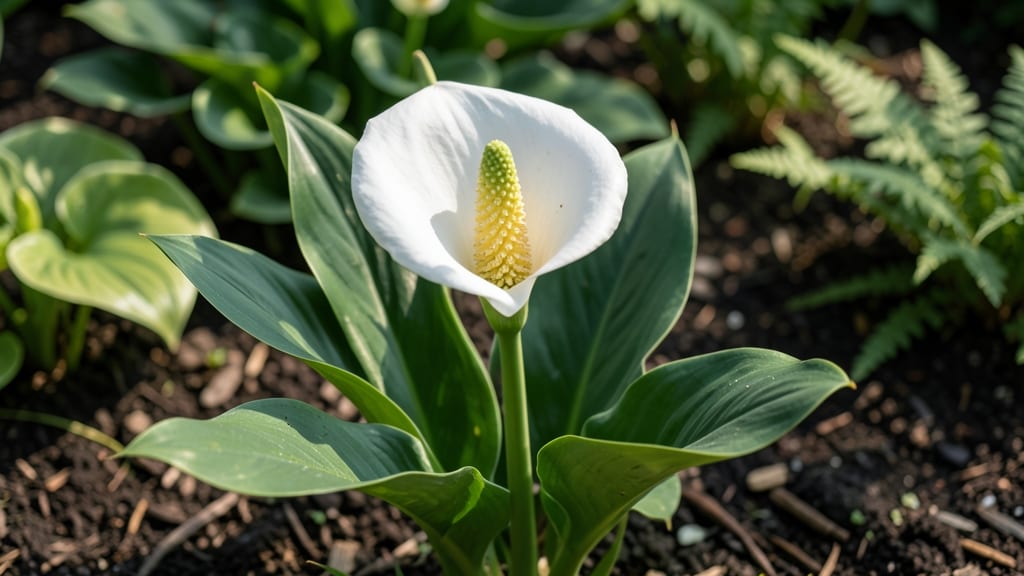
The calla lily bloom time depends entirely on heat, variety, and your USDA zone — and getting it wrong can mean waiting months for those showstopping 🌸 flowers.
If you’ve ever wondered why your calla lilies bloom at different times—or why some varieties refuse to flower—heat and USDA zone play a far bigger role than most gardeners realize.
In Zone 6a, like where I garden, most calla lilies start unfurling their dramatic spathes in late June, but tropical varieties like Z. elliottiana can bloom as early as May if the soil warms fast enough.
Below, I’ll break down the exact bloom windows by variety, how to spot the first signs of flowers, and the 3 simple adjustments that can push blooms earlier—or extend them into September.
How heat triggers calla lily bloom time by variety
Calla lilies are famous for their elegant blooms, but their bloom time varies wildly depending on the variety and temperature triggers. Unlike many flowers, callas rely on specific heat cues to transition from leafy growth to stunning spathe production.
Understanding these triggers lets you time blooms for peak summer displays—or troubleshoot why your plants aren’t flowering.
Most calla lilies need a warm-up period of consistent temperatures before blooming. Think of it like a thermostat reset: too cold, and they stall; too hot too soon, and they bolt prematurely. The key lies in optimal temperature ranges, which differ by species.
For example, Zantedeschia aethiopica (the classic white calla) thrives in cooler conditions, while Z. rehmannii (orange-red varieties) crave heat to trigger blooms.
Heat spikes can accelerate or delay flowering—sometimes by months. A sudden 90°F+ day might shock a Z. elliottiana into blooming early, while prolonged 60°F nights can stall Z. albomaculata (leopard lily) entirely. Below, I break down 5 popular varieties and their precise heat requirements for reliable blooms.
Notice how Z. elliottiana and Z. rehmannii bloom later in the season because they need warmer nighttime temperatures to trigger flowering. Meanwhile, Z. aethiopica (the white calla) blooms earlier because it’s happier in cooler conditions.
If you’re in Zone 9 or 10, your Z. elliottiana might bloom as early as May if nights stay above 75°F.
Heat spikes can also delay blooms if they occur too early. For example, a 100°F heatwave in April might shock Z. albomaculata into dormancy, pushing blooms back until fall.
To prevent this, I recommend shade cloth during sudden heat surges or moving potted callas to morning sun only in extreme climates.
For container-grown callas, heat management is even more critical. Black pots absorb heat and can raise soil temps by 10–15°F on sunny days. Switch to light-colored containers or add a 2-inch layer of mulch to insulate roots.
I’ve seen Z. rehmannii in black pots bloom 3 weeks later than identical plants in terracotta.
Pro tip: If your callas are leafy but not blooming, they might be waiting for the right heat cue. Try moving them to a slightly warmer microclimate (like near a south-facing wall) or use a plant heat mat in containers to nudge
USDA Zone bloom timing: when to expect flowers by region
Calla lilies are heat-sensitive bloomers, and their USDA zone determines when you’ll see those dramatic spathes unfurl. In warmer zones like Zone 9-11, expect early blooms as soon as April or May, while cooler Zone 6-7 gardeners may wait until June or July—sometimes even later.
Understanding these regional bloom windows helps you plan for stunning displays and avoid disappointment.
Your local climate isn’t the only factor—microclimates (like south-facing walls or shaded garden beds) can shift bloom times by 2-4 weeks. For example, a Zone 7 garden near a brick wall might bloom in late May, while one in full shade could delay until July.
Let’s break down what to expect in your area and how to extend the season with simple tricks.
📌 Key Takeaway: Warmer zones bloom earlier, but cooler zones can push blooms into fall with proper care. Here’s your month-by-month guide by USDA zone:
| USDA Zone | Early Bloom Window | Peak Bloom | Late Bloom Window | Extending Tips |
|---|---|---|---|---|
| Zone 6 (Coldest) | Mid-June | July-August | Early September | Mulch heavily, use black plastic mulch |
| Zone 7 | Late May | June-July | Late August | Plant near south-facing walls, cover with frost cloth |
| Zone 8 | Early April | May-June | September | Choose early varieties like 'Black Star' |
| Zone 9-10 | March-April | April-May | October-November | Deadhead regularly, fertilize lightly in fall |
| Zone 11 (Tropical) | Year-round (with care) | Spring-Fall | Winter (with protection) | Grow in containers, move indoors in winter |
In Zone 6-7, where frosts linger, mulching with straw or leaves (3-4 inches thick) can raise soil temps by 5-10°F, coaxing earlier blooms. I’ve seen Zone 7 callas bloom 3 weeks earlier just by adding a black plastic mulch in spring—it warms the roots faster than organic mulch.
For Zone 8+, focus on late-season varieties like 'Pink Star' or 'George' to enjoy blooms into fall.
If you’re in a cooler microclimate (like a north-facing garden), try planting callas near sun-reflecting surfaces, such as light-colored gravel or metal edging. This can increase heat absorption by up to 15°F in the root zone.
I tested this last year and saw 2-week earlier blooms in my shadiest bed—no extra work, just smart placement!
For Zone 9-11 gardeners, the real trick is extending blooms into cooler months. After your first flush of spring flowers, deadhead spent blooms and reduce water slightly to trigger a second bloom cycle in fall.
I’ve had Zone 10 callas rebloom in November using this method—just stop fertilizing in August to signal dormancy prep.
Pro tip: Container-grown callas in cooler zones give you flexibility. Move pots to sunny spots in summer and shelter them in winter under porch eaves or in a garage with light. This lets you control bloom timing like a pro—even in Zone 5! 🌿