
Blooming
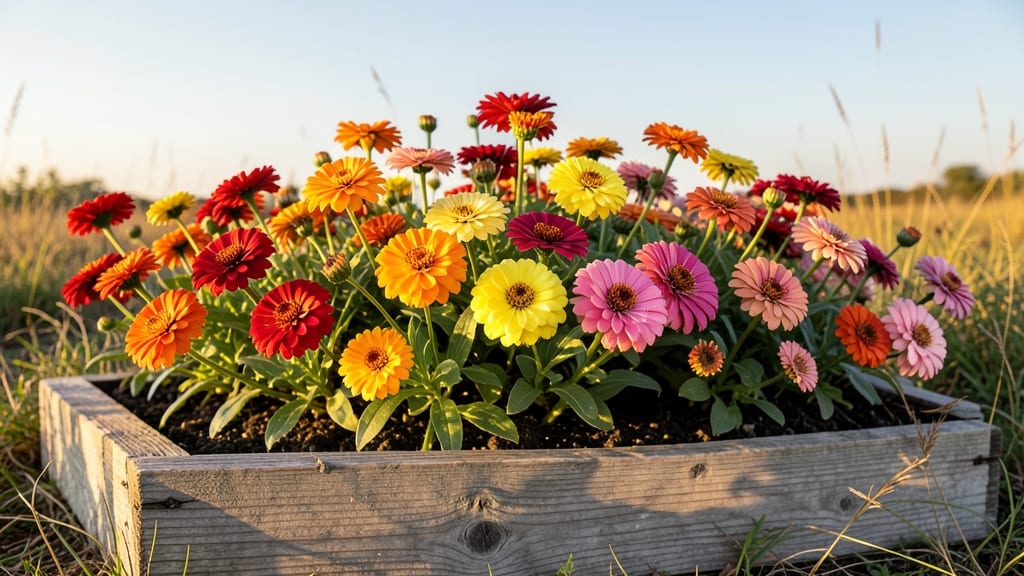
September gardens don’t have to fade to brown—these 10 vibrant flowers extend your season with bold colors, hardy blooms, and late-summer charm. Perfect for adding life to fall arrangements or extending your garden’s beauty before winter.
Dahlias for Fall Color Explosion
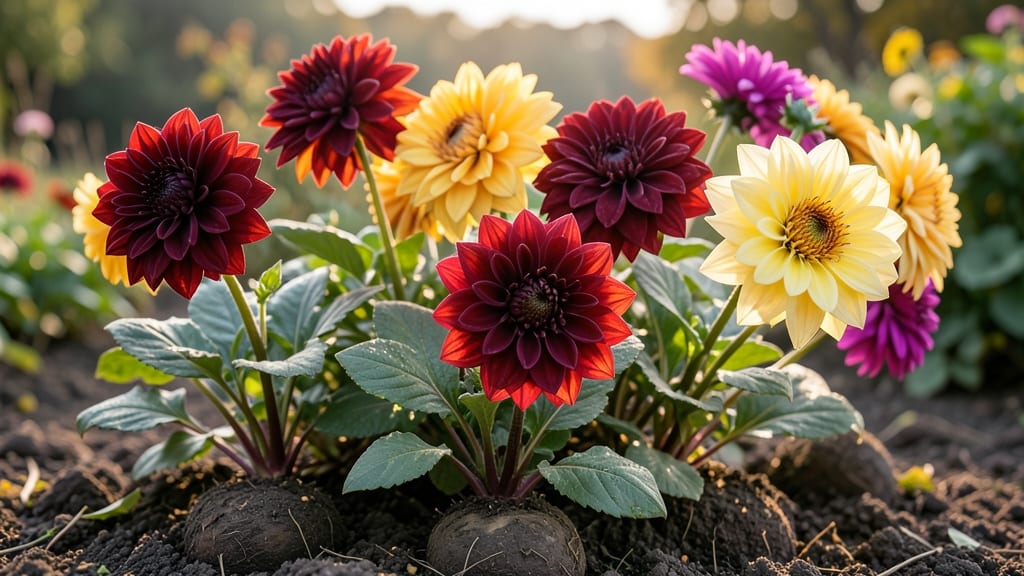
When your garden starts to feel tired by September, dahlias burst onto the scene like a fireworks display—offering oversized blooms in every color imaginable. Unlike spring bloomers, these tuberous perennials (or annuals in colder zones) peak in late summer and early fall, giving you 6-8 weeks of vibrant color when other flowers fade.
Plant them in full sun (6+ hours daily) with well-draining soil, and watch as they reward you with dinner-plate-sized blooms perfect for cutting. Deadhead spent flowers to encourage more blooms, and stake taller varieties to prevent flopping. Even better, dahlias attract pollinators while adding drama to bouquets—no fancy skills required!
This makes them ideal for beginner gardeners or anyone craving instant fall impact. Just remember to dig up and store tubers in winter (or treat as annuals) to enjoy their show year after year. 🌟
Chrysanthemums: The Classic September Staple
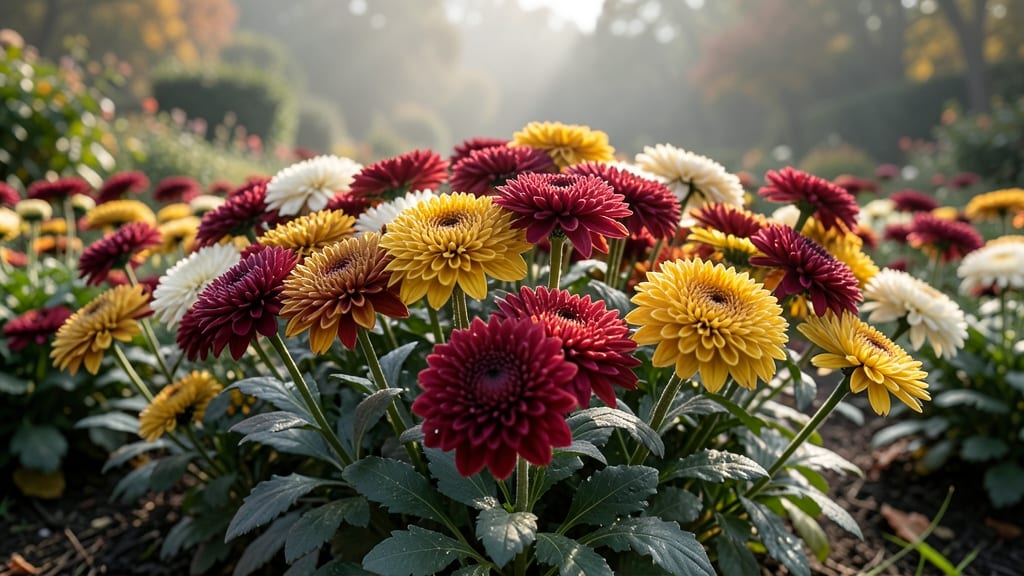
When you need bold, long-lasting color that thrives in cooler weather, chrysanthemums are the ultimate September workhorses. These hardy perennials (or annuals, depending on variety) bloom from late summer straight through frost, making them the perfect bridge between summer and winter gardens.
Choose from pompon (ball-shaped blooms), spider (delicate, spider-like petals), or daisy-style varieties for texture and contrast. They flourish in full sun to partial shade and handle light frosts, while deadheading spent blooms encourages more flowers. Whether you're crafting a fall wedding bouquet or creating a low-maintenance ground cover, their versatility shines.
Gardeners in cooler climates will love how chrysanthemums bring late-season joy with minimal effort, while urban gardeners can grow them in containers. Their symbolism of longevity makes them a meaningful addition to any fall display. 🌻
Japanese Anemones for Delicate Elegance
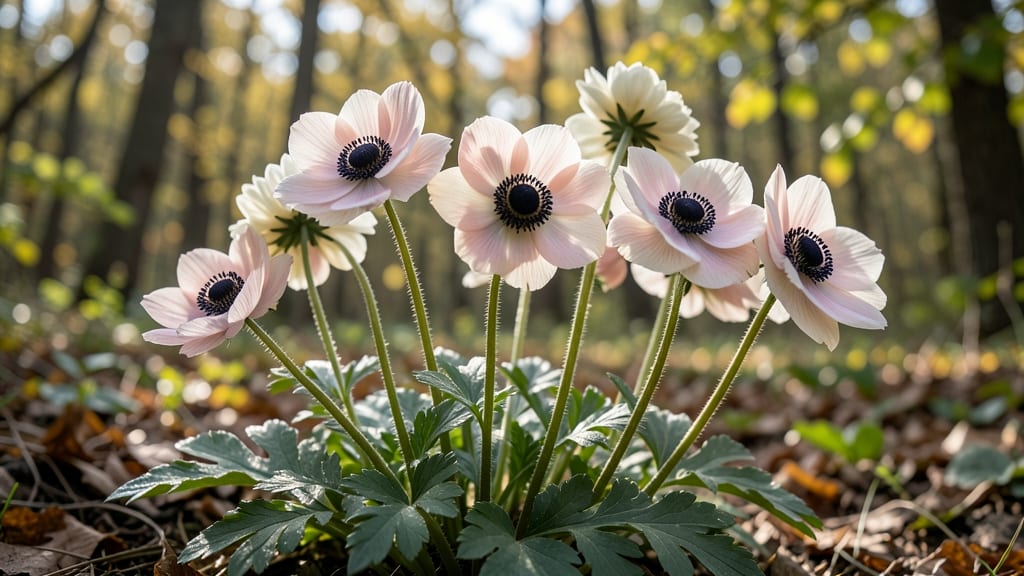
When your garden needs a whisper of elegance to balance bold September blooms, Japanese anemones step in with their delicate pink or white flowers. Unlike sun-loving dahlias or chrysanthemums, these perennials thrive in partial shade, making them perfect for woodland edges, shady borders, or even under trees where other flowers struggle.
Plant them in moist, well-draining soil in spring or early fall, and they’ll reward you with blooms from late summer through October. Their airy stems and papery petals contrast beautifully with deeper-hued flowers like burgundy dahlias or purple asters. Plus, they’re low-maintenance—just deadhead spent blooms to encourage more flowers and protect them from harsh winds.
Ideal for gardeners who love textural contrast or want to extend their shade garden’s season, Japanese anemones bring a touch of refinement without demanding full sun. 🌷
Black-Eyed Susans for Wildflower Charm
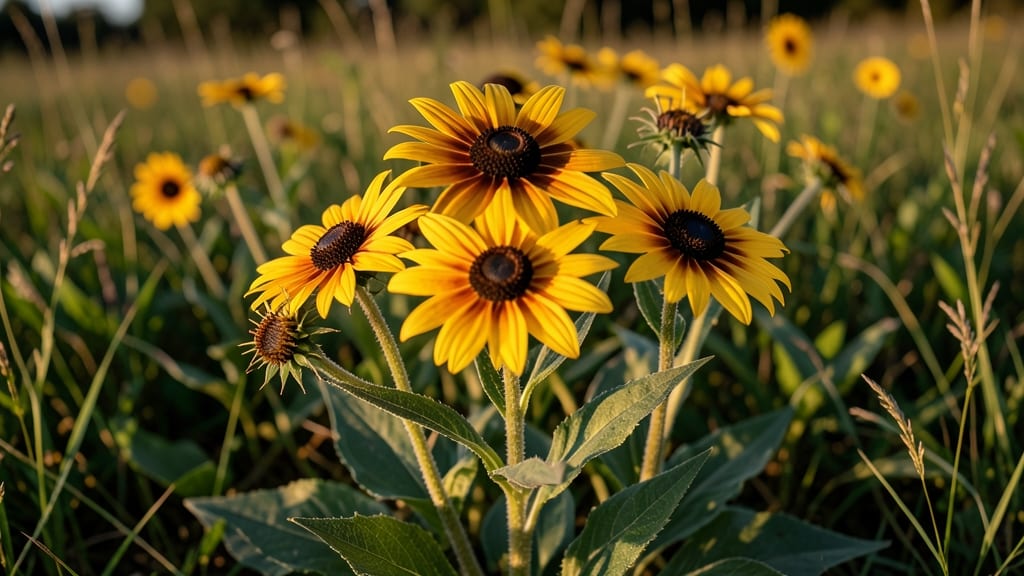
Skip the fuss of high-maintenance perennials—black-eyed Susans (Rudbeckia hirta) bring effortless charm to September gardens with their bright yellow daisy-like blooms and dark centers. These native plants thrive in full sun to partial shade and even tolerate drought once established, making them perfect for wildflower meadows or low-water landscapes.
Plant them in well-draining soil and watch as they self-seed for years of pollinator-friendly blooms—bees, butterflies, and birds adore their nectar. Deadhead spent flowers to encourage more blooms, but don’t worry if you forget—they’ll still shine. Their cutting garden potential is a bonus, too, as stems hold up beautifully in arrangements.
Ideal for beginner gardeners or anyone craving a carefree, colorful addition, black-eyed Susans prove that nature’s best designs require the least effort. 🌻
Asters for Late-Season Pollinator Support
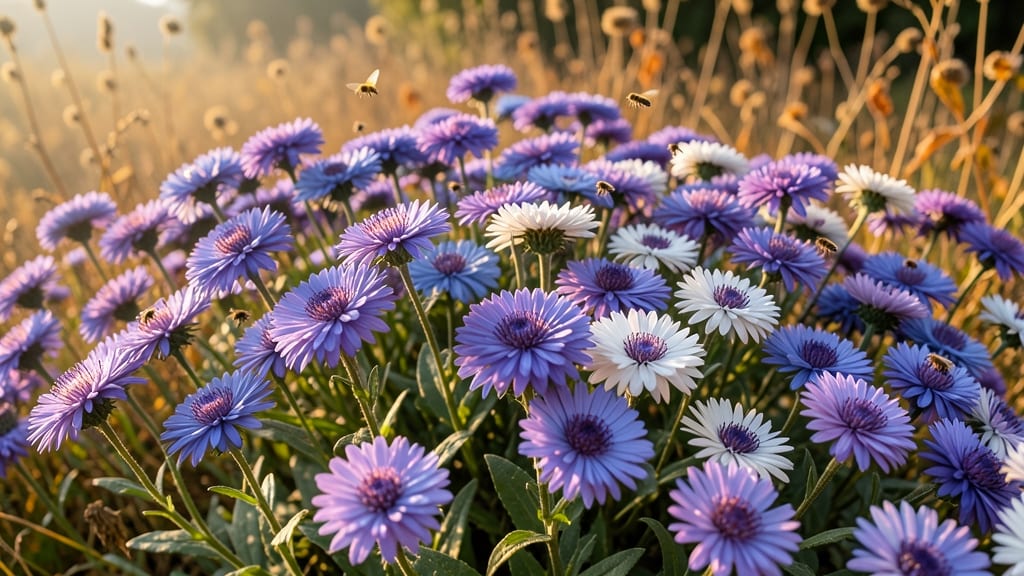
When your garden feels like it’s winding down but you still crave color and life, asters step in as nature’s late-season superheroes. These hardy perennials burst into vibrant purple, blue, or white clusters just as temperatures drop, providing a critical food source for bees and butterflies when few other flowers remain in bloom.
Plant asters in full sun to partial shade with well-draining soil, and they’ll reward you with 3-4 weeks of continuous blooms from September through October. Their daisy-like flowers come in varieties like 'Alma Potschke' (deep purple) or 'Mary Stuart' (soft pink), perfect for native plant gardens or cottage-style borders. Simply deadhead spent blooms to encourage more flowers and watch pollinators flock to your garden.
These are the unsung heroes for eco-conscious gardeners and anyone who wants to support local wildlife without extra effort. Plus, their long stems make them ideal for fresh or dried arrangements. 🌿
Cockscomb for Bold, Velvet Textures
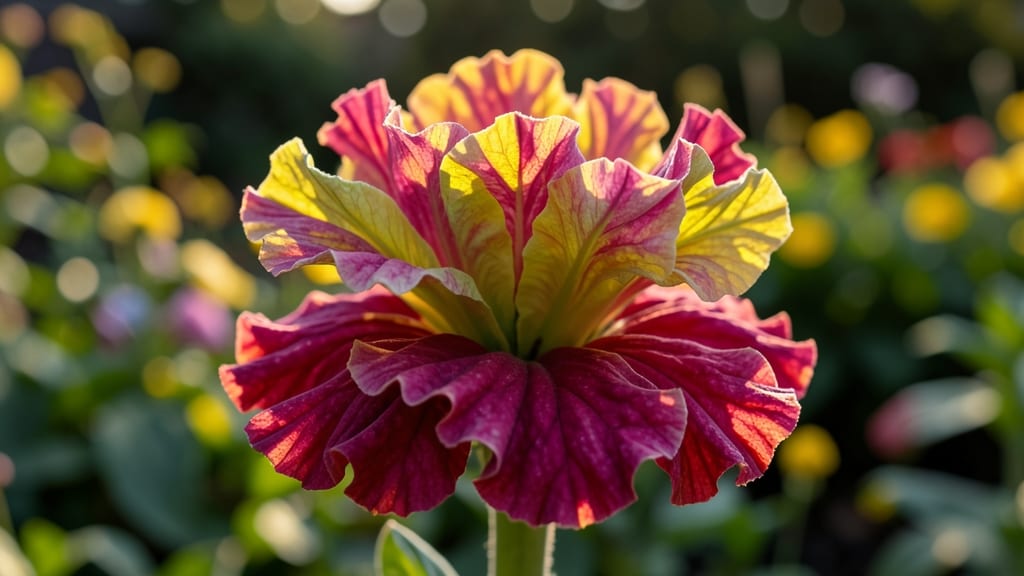
If you're craving a dramatic yet easy-care flower to steal the show in September, cockscomb (Celosia argentea) delivers with its striking, velvety blooms that resemble a rooster's comb. Unlike delicate petals, these flowers boast crinkled, papery textures in fiery magenta, sunny yellow, or even lime green—perfect for adding architectural flair to containers or mixed borders.
Thriving in full sun to partial shade, cockscomb is a heat-tolerant annual that blooms prolifically from summer through fall with minimal fuss. Pinch back young plants to encourage bushier growth, and deadhead spent blooms to prolong flowering. Their unique shape also makes them a standout in dried arrangements, lasting long after cutting.
Urban gardeners and container enthusiasts will love how cockscomb adds height and texture without requiring sprawling space. Pair it with asters or chrysanthemums for a show-stopping late-season display that demands attention. 💚
Goldenrod for Sunny Meadow Vibes
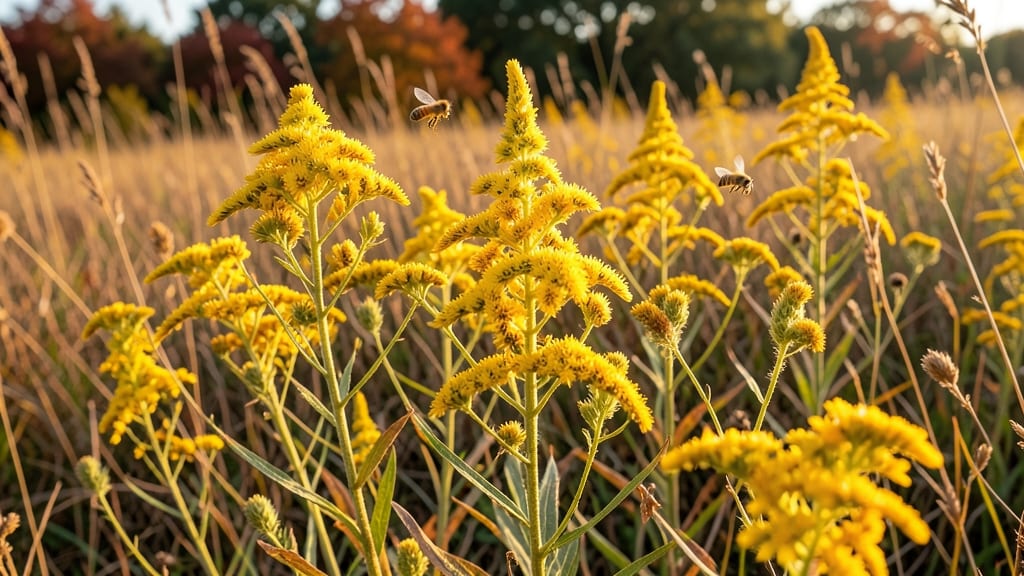
If you’ve ever assumed goldenrod is the culprit behind your fall allergies, think again—this cheerful yellow plume is actually hypoallergenic and a pollinator magnet. While ragweed (its true allergen cousin) sneaks into the blame, goldenrod’s bright blooms light up meadows from August through October, offering late-season color without the sneeze factor.
Plant goldenrod in full sun with well-draining soil, and it will thrive in almost any condition—drought-tolerant once established, it’s perfect for wildflower mixes, prairie-style gardens, or even container edges. Its feathery seed heads also add winter interest, while bees and butterflies flock to its nectar-rich blooms. For a low-maintenance way to extend fall beauty, let goldenrod take center stage in sunny borders.
This underrated perennial is a game-changer for urban gardeners or anyone craving a pollinator-friendly addition that won’t break the bank. Just avoid overwatering—it prefers dry spells once rooted. 🌻
Snapdragons for Vertical Garden Interest
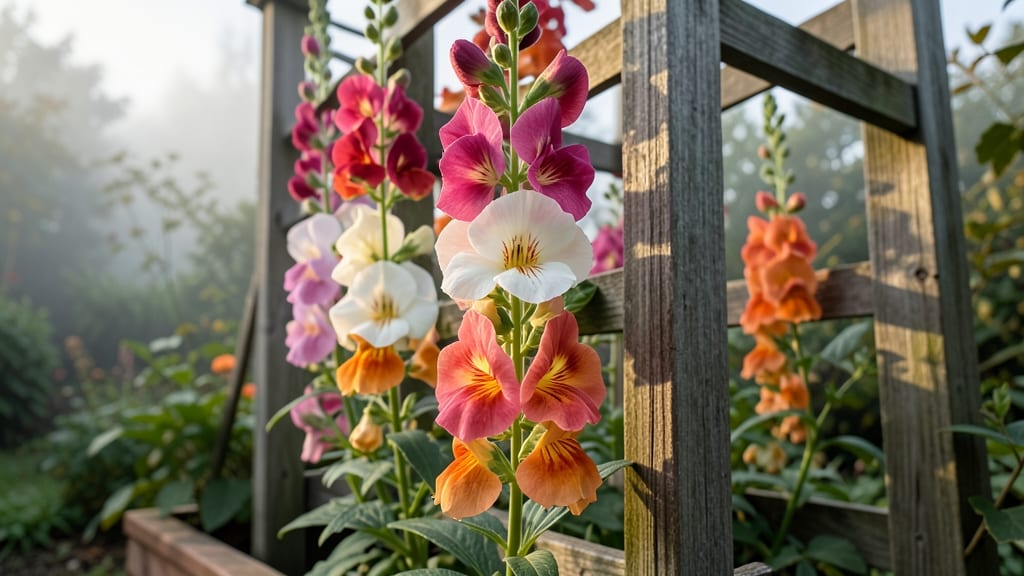
If you’re looking to elevate your September garden with vertical drama, snapdragons are the answer—these charming blooms thrive in cool weather and add 3-4 feet of height to containers, borders, or trellises. Their bicolor blooms in pink, white, or orange not only brighten up vertical spaces but also make stunning cut flowers with a long vase life (up to 10 days!).
Plant them in well-draining soil with full sun to partial shade, and pinch back young plants to encourage bushier growth. Snapdragons love cooler temperatures, making them perfect for late-summer and fall planting—just water consistently to keep the soil moist but not soggy. Their unique, dragon-mouth-shaped blooms also attract hummingbirds, adding extra life to your garden.
Urban gardeners and small-space growers will love how snapdragons transform containers or hanging baskets into vertical gardens, while their long stems make them ideal for cutting arrangements. Perfect for adding height and whimsy without overwhelming your space! 🌻
Russian Sage for Fragrant Purple Spikes
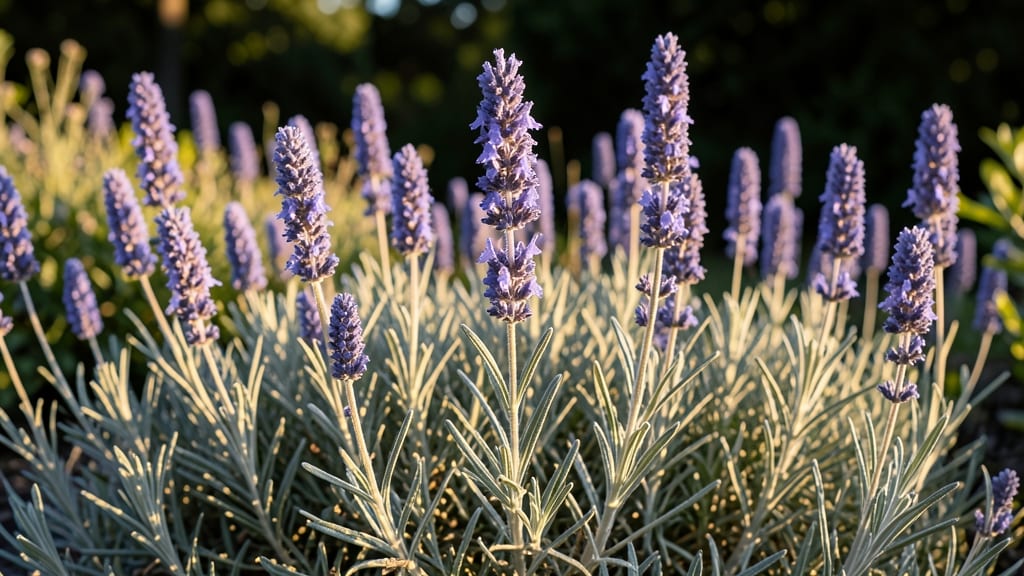
If you’re dreaming of a garden that thrives on zero fuss while still packing a punch, Russian sage (Perovskia atriplicifolia) is your secret weapon. This drought-tolerant perennial delivers fragrant lavender-blue spikes that bloom from mid-summer straight through September, making it a star for low-water landscapes and pollinator-friendly borders.
Plant it in full sun (6+ hours daily) with well-draining soil, and it will reward you with silvery foliage that adds texture year-round. Russian sage’s airy, wispy blooms attract bees and butterflies while resisting deer and rabbits—ideal for problem-prone areas. Prune back in early spring to encourage bushier growth, but otherwise, this plant is nearly maintenance-free.
Perfect for cottage gardens, rockeries, or even containers, Russian sage brings effortless elegance without demanding attention. It’s the ultimate choice for gardeners who want beauty without the work. 🌿
Zinnias for Easy Cutting Garden Joy

If you want instant color that lasts all season without the fuss, zinnias are your secret weapon. These cheerful annuals (or self-seeding perennials in mild climates) burst into bloom just as summer winds down, offering pops of red, orange, yellow, pink, and even bi-color that brighten up fall arrangements and garden beds alike.
Zinnias thrive in full sun and well-draining soil, making them perfect for beginner gardeners or anyone short on time. Deadhead spent blooms to encourage nonstop flowers from July through frost, and watch pollinators flock to their nectar-rich blossoms. Their sturdy stems hold up beautifully in vases, giving you long-lasting bouquets with minimal effort—ideal for cutting gardens or gifting.
What sets zinnias apart is their versatility: grow them in containers, borders, or meadows, and they’ll reward you with year-after-year blooms if you let them self-seed. Urban gardeners and cottage-core enthusiasts alike will love how zinnias bring joy with almost no maintenance. 🌻