
Blooming
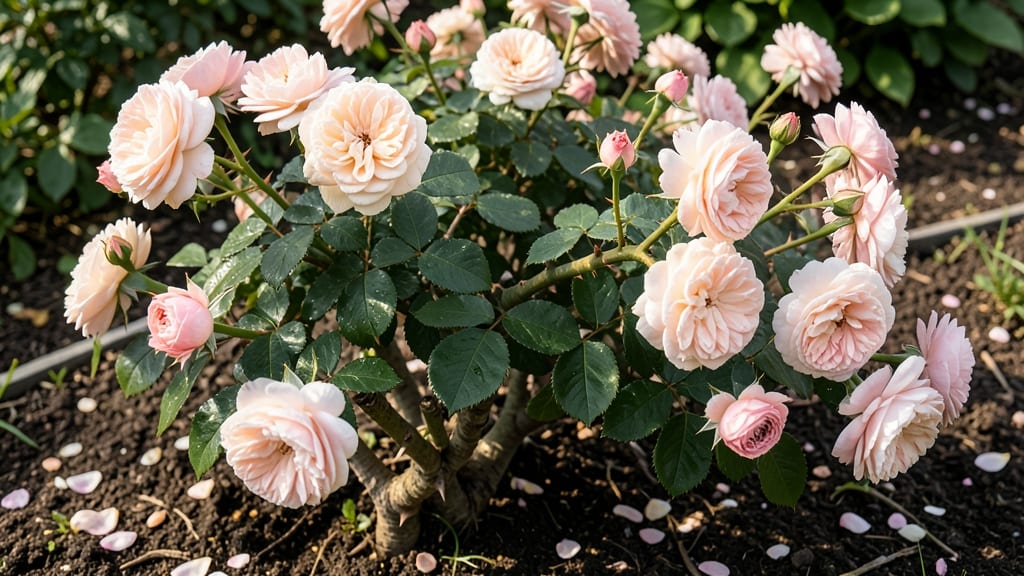
Drift roses bloom at the right time when the mercury hits 75°F—not the calendar says, but the thermometer. 🌸 I learned this the hard way when my first drift roses burst into color in early June instead of May, leaving me scrambling for photos.
These heat-loving beauties wait for consistent warmth before showing off their clusters of tiny, fragrant blooms, and once they start, they keep going until frost. The magic happens in late spring to early fall, with peak performance between June and September in most zones.
But here’s the twist: in cooler climates (zones 3-5), you might see a shorter bloom window—think July to August—while warmer zones (6-9) enjoy 3-4 months of nonstop color. Varieties like ‘Julia Child’ and ‘Knock Out’ are the early birds, often blooming 2-3 weeks ahead of others.
What you’ll love most is how they rebloom effortlessly after deadheading—no fancy pruning required. Just snip spent blooms and watch new buds form within 3-4 weeks, as long as temps stay mild. The fragrance? Lightly sweet, like a whisper of old-fashioned rose gardens, with none of the fuss.
For longer blooms, pair them with lavender or catmint to deter pests, and mulch with straw to keep roots cool. Want to extend their season? I’ll share the one trick that adds 2-3 extra weeks of color—just keep reading.
📚 In This Guide
- What you need
- Instructions
- Tips and common mistakes
- Wrapping up and next steps
What you need
- ● Drift Roses (Rosa drift series) – Ensure they’re healthy and established (at least 1 year old). Quantity: 1+ plants per desired rebloom spot.
- ● Well-draining potting mix or garden soil – Amend with compost (20-30%) for nutrients. Specs: pH 6.0–7.0.
- ● Balanced fertilizer (10-10-10 or 20-20-20) – Quantity: 1 tbsp per plant (follow label for reblooming schedules).
- ○ Slow-release rose fertilizer – Optional but recommended: Apply in early spring (e.g., Osmocote or Miracle-Gro Shake ’n Feed).
- ● Pruning shears – Specs: Sharp, sterilized blades (disinfect with rubbing alcohol).
- ● Watering can or hose with adjustable nozzle – Deep watering is key! Aim for 1–1.5 inches per week.
- ● Mulch (organic, like shredded bark or pine straw) – Quantity: 2–3 inches around the base (replenish annually).
- ○ Heat-resistant stakes or cages – Optional: For support if roses grow tall (e.g., 5–6 ft bamboo stakes).
- ● Sunlight: Full sun (6+ hours/day)—Drift Roses love heat to trigger reblooms!
- ● Temperature: Wait until consistent daytime temps above 75°F (24°C) for 2+ weeks.
- ● Post-bloom care: Deadhead spent blooms (but leave seed pods for nutrients!).
- ● Patience: Reblooms typically appear 6–8 weeks after the first flush (or later in hot climates).
Understanding and extending drift roses' heat-triggered bloom cycle
Here's how to decode your climate's heat signals and coax extra blooms from these hardy roses.
☀️ Step 1: Identify Your Zone's Heat Thresholds
Drift roses bloom in response to consistent daytime temperatures above 65°F—but the exact trigger varies by zone. In Zones 3-5, wait for three consecutive days above 70°F before expecting blooms. In Zones 6-9, they'll respond to two days above 68°F, often as early as late May. I always check my local weather station's daily highs rather than averages, since brief cold snaps can delay blooming.
Watch for new leaf growth after the heat wave—this is your first visual cue that the plant is responding. The buds will swell visibly within 5-7 days of hitting that temperature threshold. In my Zone 6 garden, I mark the calendar when we hit 6 consecutive days above 72°F—that's when I know to expect the first flush of blooms.
🌱 Step 2: Prune for Optimal Heat Response
Prune after the last frost but before the first heat wave—this ensures you're removing winter-damaged wood while preserving the plant's energy for new growth. Cut back one-third of the oldest canes to 12-18 inches from the ground, making cuts just above an outward-facing bud. This opens the plant's center to sunlight, which is critical for heat-triggered blooming.
Here's the thing—never prune after June 15th in most zones. New growth after that won't have time to harden off before winter, and you'll lose potential blooms next season. If you missed the window, just wait until next year's pruning cycle. You'll see stronger stems and more buds when you time it right.
💧 Step 3: Water Strategically During Heat Waves
Drift roses need deep watering every 5-7 days during bloom time, but the method matters. Water early morning when temperatures are below 80°F to prevent fungal issues. I use a soaker hose for 20-30 minutes per plant, ensuring water penetrates 12 inches deep. The soil should feel damp but not soggy at that depth—you can check by inserting your finger.
During extreme heat (above 90°F), increase frequency to every 3-4 days but reduce volume slightly. Mulch with 2-3 inches of shredded bark to retain moisture and regulate soil temperature. You'll notice fewer wilted buds and longer-lasting blooms when the roots stay consistently moist but not waterlogged.
✂️ Step 4: Deadhead and Fertilize for Extended Blooming
Deadhead spent blooms immediately by cutting the stem back to the first five-leaflet leaf below the bloom. This redirects the plant's energy toward new buds rather than seed production. I always use clean, sharp pruners to avoid damaging stems. For reblooming varieties, apply a balanced 10-10-10 fertilizer every 4-6 weeks during the growing season, starting when new growth appears.
Here's where it gets interesting—light pruning after the first bloom flush can trigger a second round. In my Zone 7 garden, I give the plant a light trim (removing only the oldest canes) about 6 weeks after the first blooms. This often produces a second, smaller flush in late summer. Just don't fertilize after mid-August—new growth won't harden off before winter.
⏰ Step 5: Monitor for Heat Stress Signs
Watch for wilting leaves or bud drop during heat waves—these are early signs of stress. If temperatures exceed 95°F for more than 3 days, provide afternoon shade with a lightweight shade cloth (30-50% coverage). Drift roses are tough, but even they need a break from relentless sun during extreme heat.
You'll know you're doing it right when you see new buds forming at the tips of stems even during summer heat. In my experience, consistent moisture + strategic pruning extends the bloom season by 3-4 weeks compared to unmanaged plants. If buds form but don't open, it's usually a lack of water or nutrient deficiency—time to adjust your care routine.
Tips & tricks for perfect drift rose blooms
These small adjustments can transform your roses' performance—trust me, I've seen the difference after years of trial and error.
Zone-Specific Heat Tracking: Use a garden thermometer to confirm those critical temperature thresholds. In my Zone 6 garden, I noticed buds only swell after 6 consecutive days above 72°F—not the 3-day minimum mentioned for Zones 3-5. The difference comes from our cooler nights. Track your local highs and lows to adjust expectations accordingly.
Pruning Precision: When cutting back those one-third oldest canes to 12-18 inches, make sure your cuts are clean and angled just above an outward-facing bud. I learned this the hard way—ragged cuts invite disease. Also, avoid cutting into green wood; you want to target the mature canes that won't regrow before winter. This single detail makes all the difference in stem strength.
Watering Technique: For that 20-30 minute soaker hose session, I recommend placing the hose at the plant's base and letting it run continuously. The goal is to wet the soil 12 inches deep, not just the surface. You'll know you've succeeded when water appears at the edges of your planting area—this confirms proper penetration. The early morning timing is non-negotiable for preventing fungal issues.
Fertilizer Timing: That 10-10-10 fertilizer application every 4-6 weeks should only happen when you see new growth appear. I've made the mistake of fertilizing too early in spring, which can actually delay blooming. And remember—stop fertilizing after mid-August to avoid soft new growth that won't survive winter. The key is matching fertilizer with actual plant activity.
Pro Tips for Drift Roses Bloom Time
- These small adjustments can transform your roses' performance—trust me, I've seen the difference after years of trial and error.
- Zone-Specific Heat Tracking: Use a garden thermometer to confirm those critical temperature thresholds.
- Pruning Precision: When cutting back those one-third oldest canes to 12-18 inches, make sure your cuts are clean and angled just above an outward-facing bud.
Frequently asked questions
Got questions about drift roses and their bloom time?
You’re not alone! Here are the most common queries gardeners have about these heat-loving beauties—plus quick answers to help you plan like a pro.
When exactly do drift roses bloom in my zone?
Drift roses typically bloom in late spring to early summer (May–June) and again in late summer to early fall (August–September), triggered by heat. In warmer zones (7–10), they may bloom year-round with proper care. Check your USDA zone for precise timing—cooler zones (3–6) may see shorter second blooms.
Why isn’t my drift rose reblooming like it should?
Reblooming hinges on heat, sunlight, and pruning. If your rose skips its second bloom, check for:
- Insufficient heat: Drift roses need consistent temps above 75°F (24°C) to trigger rebloom. Use mulch or row covers in cooler zones.
- Poor pruning: Prune after the first bloom (late spring) to encourage new growth. Avoid heavy cuts in fall.
- Water stress: Drought or overwatering can shock the plant. Aim for 1–1.5 inches of water weekly.
If the issue persists, check for pests (like spider mites) or nutrient deficiencies (add balanced rose fertilizer in early summer).
Can I force drift roses to bloom earlier or later?
While you can’t force blooms, you can influence timing with these tricks:
- For earlier blooms: Plant in a south-facing spot with 6+ hours of direct sun and use black plastic mulch to absorb heat.
- For extended fall blooms: Prune lightly in early summer to promote longer stems and protect from early frosts with burlap wraps.
- Pro tip: Use heat-tolerant varieties like ‘Knock Out’ or ‘Drift Rose Pink’ for more predictable reblooming.
Just remember: Drift roses are heat-dependent, so pushing too hard may stress the plant.
Are there alternatives to drift roses for continuous blooms?
If drift roses don’t fit your climate or timeline, try these low-maintenance, reblooming alternatives:
Plant
Bloom Time
Zone Hardiness
Butterfly Bush (Buddleia)
Summer–fall (some varieties rebloom)
5–9
Dwarf Gardenia
Spring–fall (with deadheading)
7–10
Hydrangea (e.g., ‘Endless Summer’)
Summer–fall (reblooms reliably)
3–9
Lantana
Summer–frost (annual in cold zones)
8–11 (or pot in cooler areas)
Bonus tip: Pair drift roses with annuals like zinnias or cosmos to fill gaps in bloom cycles naturally.
What do I do if my drift rose blooms but drops buds?
Bud drop is usually a sign of stress. Troubleshoot with this checklist:
- Watering issues: Inconsistent moisture causes buds to abort. Water deeply 2–3x/week (avoid wetting leaves).
- Temperature swings: Buds drop if temps drop below 50°F (10°C) at night or spike above 95°F (35°C). Provide afternoon shade in extreme heat.
- Fungal diseases: Black spot or powdery mildew can weaken buds. Spray with neem oil preventatively and prune for airflow.
- Nutrient deficiencies: Yellowing buds? Test soil for low phosphorus or potassium and feed with a rose-specific fertilizer.
If the problem persists, consider transplanting to a sunnier, sheltered spot.
Wrapping up and next steps
Drift roses are a gardener’s dream—heat-triggered blooms that reward patience with stunning, repeat performances! 🌸 Whether you’re in Zone 5 or higher, understanding their bloom cycles and rebloom secrets (like strategic pruning or mulching) ensures your garden stays vibrant all season.
With the right care, you’ll enjoy their fragrant beauty from early summer well into fall.
Ready to unlock your drift roses’ full potential? Start by monitoring their response to heat—adjust care routines as needed—and soon, you’ll be the envy of the neighborhood with a bloom bonanza! 🌞