
Blooming
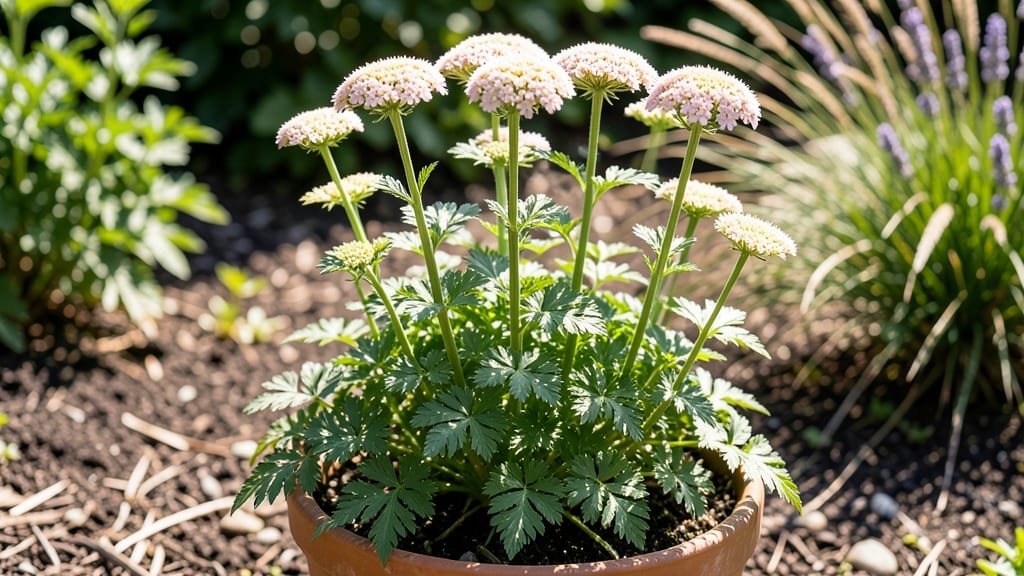
Yarrow does bloom all summer in most climates, thanks to its heat-triggered reblooming habit after deadheading. This hardy perennial thrives in warm conditions but may produce fewer late-season flowers in cooler zones without proper maintenance.
This summer-long flowering isn't just luck—it's science. Yarrow responds to warm temperatures by sending out new growth and flowers after you remove spent blooms. 🌞 The key is deadheading regularly, which tricks the plant into thinking it's early summer again.
In my garden, I've seen yarrow keep blooming until frost in zones 5-9, but in cooler areas, you might need to extend its season with a light late-summer pruning.
What makes yarrow so special is its adaptability. Unlike many perennials that fade after their first flush of blooms, yarrow's reblooming cycle keeps it looking fresh for months. The secret lies in its deep roots and drought tolerance—once established, it rarely needs extra water.
For best results, plant it in full sun and pair it with drought-tolerant companions like lavender or sedum to create a low-maintenance summer display.
💡 In This Article
- Why Yarrow Reblooms in Summer Heat
- Maximizing Yarrow’s Summer Bloom Period
Why yarrow reblooms in summer heat
Yarrow's summer-long blooming is a fascinating example of botanical adaptation to heat and light. The plant uses a process called thermomorphogenesis, where warm temperatures trigger hormonal changes that stimulate new flower growth.
When daytime temperatures consistently stay above 70°F (21°C), yarrow's meristem cells (growth points) become active, producing fresh stems and blooms within 4-6 weeks of deadheading. This heat response explains why yarrow often continues flowering well into August and September in warmer climates.
The botanical mechanism involves two key factors: photoperiod sensitivity and temperature thresholds. Yarrow detects increasing daylight hours (longer summer days) and responds by producing more flowers, but it's the heat that actually activates the flowering process.
Unlike many perennials that rely solely on daylight length, yarrow's reblooming is primarily triggered by temperature spikes above 75°F (24°C). This makes it particularly effective in continental climates where summer heat waves can extend the blooming season by weeks. 🔥
What sets yarrow apart from other long-blooming plants is its ability to regenerate from deep root systems. When you cut back spent flowers, the plant perceives this as a signal to produce new growth from its extensive root network, which can extend up to 3 feet (1 meter) deep.
This deep root system also explains why yarrow can continue blooming even during dry spells—it taps into moisture reserves that shallow-rooted plants can't access. The plant's natural drought tolerance means it won't waste energy producing leaves when water is scarce, focusing instead on flower production.
Comparing yarrow to other summer-blooming perennials reveals its unique advantages. While coneflowers and black-eyed Susans typically produce one main flush of blooms that gradually fade, yarrow's reblooming cycle can produce 3-4 distinct flowering periods in a single season.
This continuous bloom production makes yarrow particularly valuable for pollinators, as it provides nectar sources throughout the entire growing season. The plant's flat-topped clusters also create excellent landing platforms for bees and butterflies, making it a favorite in pollinator gardens.
However, this heat-triggered reblooming isn't automatic—it requires proper garden maintenance. The key is deadheading spent flower heads before they form seeds, which redirects the plant's energy from seed production back into new flower growth.
In cooler climates (zones 4-5), this process may slow down after mid-August as temperatures begin to drop, but with consistent deadheading and protection from early frosts, yarrow can continue producing new blooms until the first hard freeze.
The science behind yarrow's reblooming also explains why it performs so well in urban environments. City heat islands often create microclimates that are 5-10°F (3-6°C) warmer than surrounding rural areas, which can extend yarrow's blooming season by 2-3 weeks.
This heat advantage makes yarrow particularly well-suited for rooftop gardens, courtyard planters, and other urban landscaping projects where space is limited but summer heat is abundant. 🌆