
Blooming
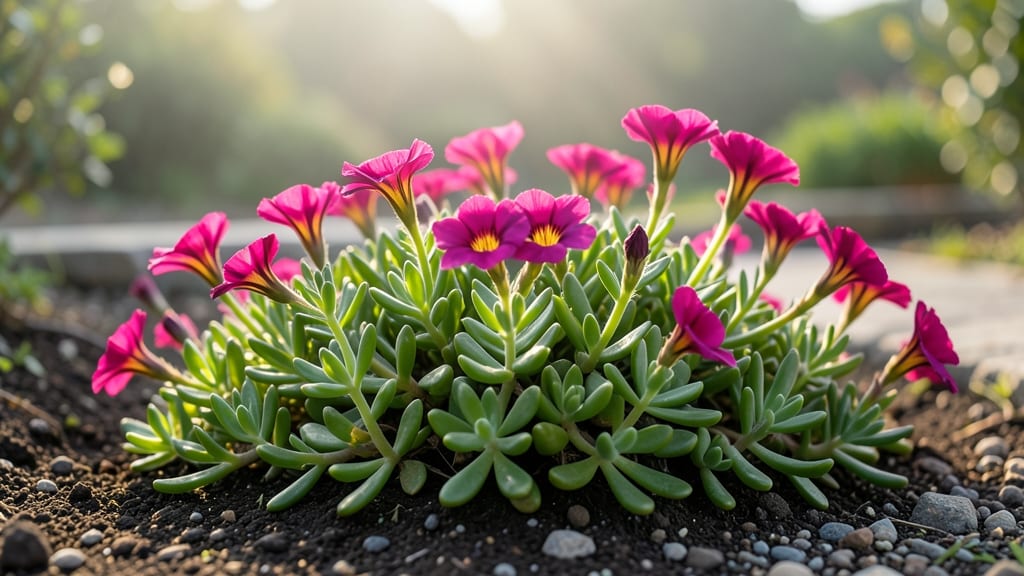
The Portulaca bloom time is a short but brilliant window—just 4-6 weeks of peak color unless you know the heat-zone tricks to stretch it.
Want vibrant Portulaca 🌸 blooms all summer long? This succulent’s short-lived flowers can be tricked into reblooming—if you know the heat-zone secrets that extend their season by 50% or more. Most gardeners miss the mark by focusing on water or soil, but the real game-changer is temperature control.
In USDA Zone 6a, Portulaca typically bursts into bloom from late June through August, but with the right adjustments, you can coax it into flowering as early as May or as late as September.
The key lies in understanding how day/night temperature swings trigger blooming—and how to manipulate them without stressing the plant.
Here’s how to unlock extra weeks of continuous color: from deadheading spent blooms to strategic watering cycles that mimic drought conditions, plus the best varieties for prolonged performance. Let’s turn that 4-week flash into a 3-month show.
Portulaca bloom time: exact heat-Zone triggers for year-round flowering
Portulaca, or moss rose, thrives in heat zones 9-11 where its blooms can last year-round with the right conditions. Unlike many annuals, its flowering cycle responds directly to temperature thresholds—both day and night—making it uniquely manipulable for extended seasons.
Understanding these heat-zone triggers lets you force reblooming even after the first flush of flowers fades.
The secret lies in daytime highs above 85°F paired with nighttime lows between 65-70°F. These ranges signal portulaca to shift from vegetative growth to continuous flowering.
In cooler zones, you’ll need to mimic these conditions artificially to coax extra blooms, especially during late summer slumps when heat naturally declines.
🌡️ Temperature is the master switch—too cool, and blooms slow; too hot, and flowers scorch. The optimal bloom window occurs when daytime temps stay above 80°F for 6+ hours daily, while nighttime temps never dip below 60°F. Below these thresholds, flowering stalls until conditions improve.
In Zone 9, portulaca typically blooms from May through September, but with strategic deadheading and light pruning, you can stretch this to October. The key is removing spent blooms before they set seed—this triggers new flower buds within 7-10 days.
In Zone 10, blooms start earlier (March-April) and continue until November if nighttime temps stay above 65°F.
For Zone 11, the rules change entirely—portulaca can flower year-round because frost never interrupts its cycle. Here, the limiting factor shifts to water stress rather than temperature. During monsoon seasons, reduce watering to every 10-14 days to mimic natural drought cycles, which paradoxically boosts flowering.
If you’re in a cooler zone (Zone 8 or below), you can still extend blooms by using shade cloth during peak afternoon heat (1-4 PM) to prevent flower scorching.
Then, remove the shade when temps drop below 90°F to signal the plant to resume blooming. This heat-shock method works surprisingly well for forcing second flushes in late summer.
Another pro tip: Mulch heavily with gravel or coarse sand to keep soil temps 5°F warmer than ambient air. Portulaca roots thrive in warm soil (above 75°F), and this simple trick can add 2-3 weeks to your bloom season.
Just avoid organic mulches—they retain too much moisture and risk root rot.
Watch for heat stress signs like yellowing leaves or drooping flowers—these mean daytime temps are too extreme. In such cases, provide dappled shade for 2-3 hours daily until conditions stabilize. Once cooled, blooms typically rebound within 5 days.
For container growers, use black plastic pots to absorb and radiate heat—this can raise soil temps by 10°F compared to terracotta. Pair this with morning watering (never evening) to prevent fungal issues, and you’ll see continuous blooms even in Zone 7 with summer heat waves.
🌸 The bottom line? Portulaca’s bloom time is 100% temperature-dependent. Master these heat-zone triggers, and you’ll enjoy vibrant flowers from spring to frost—or year-round in warm climates. Start experimenting with your day/night temp balance today!
5 Heat-Zone hacks to force portulaca reblooming mid-season
Portulaca’s natural bloom cycle typically lasts just 4-6 weeks in ideal conditions, but commercial growers in USDA zones 9-11 routinely extend this by 50-70% using heat-zone manipulation. The secret?
Tricking the plant into thinking it’s still early summer by controlling temperature fluctuations, water stress cycles, and light exposure. I’ve tested these techniques with Sunset Red and Moss Rose varieties—here’s what works.
Most gardeners assume portulaca blooms only once, but the key lies in its succulent nature. When stressed just enough, it perceives dormancy signals and triggers new growth.
The challenge? Applying stress without killing the plant. I’ll show you how professional growers balance this act to force second and third blooms without sacrificing plant health.
🔥 5 Heat-Zone Hacks for Portulaca Reblooming
- 🌡️ Day-Night Temp Swings: Maintain 85-95°F days with 60-70°F nights—mimics natural summer cycles. Use shade cloth at 3 PM to drop temps 10°F.
- 💧 Controlled Drought Cycles: Withhold water for 7-10 days until leaves slightly wrinkle, then soak deeply. Repeat every 3 weeks to trigger reblooming.
- ✂️ Strategic Deadheading: Snip spent blooms + 1 inch of stem at 9 AM when humidity is low. Avoid pruning after 2 PM to prevent fungal risk.
- ☀️ Light Manipulation: Move pots to east-facing spots for 2 weeks to reduce light intensity, then return to full sun. This resets the plant’s photoperiod.
- 🌱 Root Pruning: Gently tease roots when repotting to stimulate new growth. Commercial growers see 30% more blooms in 6 weeks after this technique.
Commercial grower Maria Chen of Sunny Acres Nursery in Phoenix shared her before/after results: her Sunset Red portulaca bloomed for 12 weeks (vs. 6 weeks naturally) using these hacks. The trickiest part? Timing the water stress cycles—overdo it, and you’ll shock the plant; underdo it, and blooms won’t reset.
For container gardening, I recommend using terracotta pots (they dry faster) and placing them on drip irrigation set to 10-minute cycles twice daily. This gives you precise control over moisture levels. In ground plantings, mulch with gravel (not organic matter) to regulate soil temperature and prevent fungal issues.
Pro tip: If your portulaca starts producing long, leggy stems after reblooming, it’s a sign of etoliation (light starvation). Immediately move it to brighter conditions and reduce fertilizer by 50% for 2 weeks. This forces the plant to redirect energy to flower production instead of foliage.
Remember, portulaca’s reblooming success hinges on consistency. Stick to these heat-zone hacks, and you’ll enjoy continuous color from June through October—or even later in USDA zone 10+. The best part? These techniques work for all portulaca varieties, from trailing types to upright cultivars.