
Blooming
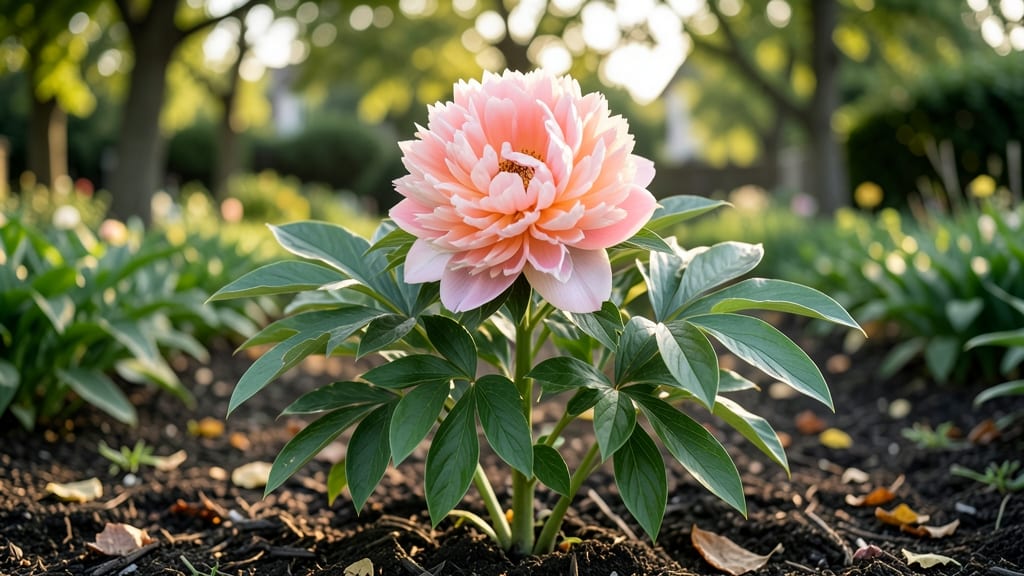
Those double bloom peonies with their lush, layered petals are the showstoppers of spring gardens—until they vanish by summer, leaving you wondering why they won’t rebloom. 🌸 I’ve grown them for years, and the secret to their second flush isn’t just luck—it’s timing, pruning, and a few tricks most gardeners miss.
The right care turns a one-time spring display into months of blooms, even after frost. Start with full sun and well-draining soil rich in organic matter. Plant 2 inches deep with the eyes (buds) facing upward, spacing them 3-4 feet apart—they’ll spread over time.
The key to reblooming lies in light pruning after the first flush: cut back stems to just above a leaf node, but never remove more than a third of the plant. Over-pruning kills next year’s blooms.
By mid-summer, you’ll see new shoots pushing through, followed by late-season blooms that last until fall. The plants grow more vigorous each year, and with proper winter mulch, they’ll bounce back stronger than ever. Even in Zone 3, these hardy beauties come back bigger after frost.
For troubleshooting, watch for bud blast (a fungal issue) and overcrowding—both steal energy from blooms. A balanced fertilizer in early spring and consistent moisture (not soggy soil) keeps them thriving. Once you master these steps, your peonies will be the envy of the neighborhood.
📚 In This Guide
- What you need
- Instructions
- Tips and common mistakes
- Wrapping up and next steps
What you need
- ● Peony tubers: Choose Paeonia lactiflora or Paeonia suffruticosa varieties labeled as "double bloom" or "reblooming." Aim for 3–5 healthy tubers (1–2 inches in diameter).
- ● Well-draining soil: A mix of 60% topsoil, 30% compost, and 10% coarse sand or perlite (pH 6.0–7.0).
- ● Sunlight: A full-sun location (6+ hours of direct sunlight daily).
- ● Watering can or hose: With a gentle spray nozzle for hydration.
- ● Garden fork or trowel: For planting and soil aeration.
- ● Mulch (straw or wood chips): 2–3 inches to retain moisture and insulate roots in winter.
- ● Fertilizer: Balanced 10-10-10 or low-phosphorus peony-specific fertilizer (apply in early spring).
- ○ Stakes or supports: (Optional) For tall varieties to prevent flopping.
- ● Pruners: Sharp, clean pair for deadheading and shaping.
Step-by-step guide to planting and caring for double bloom peonies
Here's how to establish these cold-hardy beauties for years of dramatic, repeat flowering.
🌱 Step 1: Choose the Perfect Planting Location
Peonies thrive in full sun—select a spot that receives at least 6-8 hours of direct sunlight daily. I always look for areas with morning sun and afternoon shade in hot climates, as peonies appreciate protection from intense afternoon rays. The soil should drain well but retain moisture; peonies hate soggy roots but won't tolerate drought either.
Test your soil by digging a 6-inch deep hole. If water pools after 30 minutes, amend the area with 2-3 inches of compost to improve drainage. Peonies also appreciate slightly acidic to neutral soil (pH 6.5-7.5), so test your soil and adjust with lime or sulfur if needed. I've found that peonies planted in well-draining, fertile soil reward me with stronger stems and bigger blooms each year.
🪴 Step 2: Plant Bare-Root Peonies at the Right Depth
Plant your peony eyes (the swollen buds) 1-2 inches below the soil surface—this is critical. If planted too deep, they won’t bloom; too shallow, and they’ll flop. I mark the eye level with a pencil before digging, then plant with the roots spread evenly in the hole. The crown (where roots meet stems) should sit just below the soil line.
Backfill with native soil mixed with compost (about 20% compost by volume) to encourage strong root growth. Water deeply to settle the soil and remove air pockets. Mulch with 2-3 inches of organic mulch (like shredded bark) to retain moisture and regulate soil temperature. Avoid heavy mulch that smothers the crown—peonies need air circulation around their base.
☀️ Step 3: Provide Consistent Water and Winter Protection
Water newly planted peonies deeply once a week during the first growing season, ensuring the soil stays evenly moist but not waterlogged. You’ll know it’s right when the top 2 inches of soil feel damp but not soggy. Overwatering causes crown rot, which is fatal. After the first year, peonies establish deep roots and become drought-tolerant, but they still appreciate 1 inch of water per week during dry spells.
In winter, protect young peonies (under 3 years old) with a 4-6 inch layer of mulch after the ground freezes. This insulation prevents frost heave, which can damage roots. Mature peonies handle cold beautifully, but I still add a light mulch layer in harsh winters to keep them thriving. Peonies are one of the few perennials that truly reward patience—give them 3-5 years to reach their full, show-stopping potential.
✂️ Step 4: Prune and Support for Long-Term Health
Prune peonies right after flowering (late spring to early summer) by cutting back stems to 1-2 inches above the ground. Never cut into the woody base—this weakens the plant. I also remove any dead, diseased, or crossing stems in early spring to improve airflow. Support tall stems with peony rings or small cages to prevent them from flopping under the weight of heavy blooms.
Fertilize lightly in early spring with a balanced, low-nitrogen fertilizer (like 10-10-10) to encourage blooms over foliage. I skip high-nitrogen fertilizers—they produce lush leaves but fewer flowers. Divide mature clumps every 4-5 years in early fall by digging up the plant, separating the roots, and replanting the strongest sections. This rejuvenates peonies and prevents overcrowding, which reduces bloom size.
Tips & tricks for perfect double bloom peony planting
These are the secrets I've learned after years of growing double bloom peonies that return bigger and more dramatic each season.
Sunlight Strategy: Those 6-8 hours of sunlight are non-negotiable, but here's what I've found works best: Position your peonies to catch morning sun first—it's gentler on the blooms. In hot climates, I actually create a DIY shade cloth using lightweight fabric over the afternoon sun hours (2-5pm). This prevents the flowers from wilting before they fully open. The key is maintaining that balance between full sun exposure and protection from intense afternoon heat.
Planting Depth Secret: When planting those 1-2 inches below the eyes, I always use a simple trick: Hold the peony crown at the correct depth and trace around it with a pencil on the side of the hole. This visual marker prevents me from accidentally planting too deep or too shallow. Too deep and you'll get no blooms; too shallow and the stems will flop. I've ruined three batches before learning this simple visual cue!
Soil Test Hack: Before amending your soil with 2-3 inches of compost, I recommend doing a simple DIY pH test. Mix equal parts vinegar and water in a spray bottle—spritz on your soil. If it fizzes, your soil is alkaline (add sulfur). If you add baking soda water and it fizzes, your soil is acidic (add lime). Peonies prefer that 6.5-7.5 pH range, and this quick test saves me from guessing.
Winter Protection Upgrade: For that 4-6 inch mulch layer in winter, I use a combination of straw and leaves instead of just bark. The straw provides better insulation while allowing moisture to penetrate. I also avoid piling mulch directly against the crown—leave a 2-inch gap to prevent rot. This method has kept my peonies thriving through winters with temperatures dropping below -10°F.
Pro Tips for Double Bloom Peony
- These are the secrets I've learned after years of growing double bloom peonies that return bigger and more dramatic each season.
- Sunlight Strategy: Those 6-8 hours of sunlight are non-negotiable, but here's what I've found works best: Position your peonies to catch morning sun first—it's gentler on the blooms.
- Planting Depth Secret: When planting those 1-2 inches below the eyes, I always use a simple trick: Hold the peony crown at the correct depth and trace around it with a pencil on the side of the hole.
Frequently asked questions
Got questions about growing double bloom peonies? You’re not alone—these stunning, frost-resistant beauties spark curiosity! Here are answers to the most common queries, from timing tips to troubleshooting tricks.
When do double bloom peonies flower the first time?
Double bloom peonies typically flower 2–3 years after planting (sometimes longer for newly rooted divisions). The first blooms are often single, but with patience, they’ll reward you with lush, double flowers in subsequent seasons. Pro tip: Plant in early fall for the best root establishment and earlier blooms!
How cold-hardy are these peonies, really?
Most double bloom peonies thrive in USDA Zones 3–8, surviving winters as low as -30°F (-34°C). Their cold-hardiness is legendary—just ensure they’re planted in well-draining soil and avoid soggy roots. Mulch lightly in extreme climates for extra protection.
Why aren’t my double bloom peonies reblooming?
Reblooming can be finicky! Common culprits include:
- Over-fertilizing (especially with high-nitrogen feeds).
- Deadheading too late—leave a few spent blooms to encourage a second flush.
- Poor drainage or shade (they need 6+ hours of sun).
- Young plants (they may need 3–5 years to reliably rebloom).
Can I grow double bloom peonies in containers?
Yes, but with careful planning! Choose large containers (at least 18–24 inches wide) with drainage holes. Use a chicken wire basket to support the roots if repotting. Note: Container-grown peonies may bloom less prolifically than in-ground plants. Move pots to a sheltered spot in winter if temps drop below 10°F (-12°C).
How do I divide double bloom peonies without killing them?
Divide every 5–7 years in early fall. Dig carefully, separating eyes (buds) with at least 3–5 leaves per section. Replant immediately at the same depth as before. Warning: Avoid dividing in spring—it stresses the plant and delays blooming. Use sharp, sterilized tools to prevent disease.
Wrapping up and next steps
Double bloom peonies are a gardener’s dream—cold-hardy, stunning, and generous with their second flush of blooms. Whether you’re a seasoned gardener or just starting, these beauties reward patience with show-stopping color and resilience.
Ready to transform your garden? Start by choosing the right variety, prep your soil, and give them the love they deserve—your future blooms will thank you!
- 🌱 Next Step: Pick your favorite double bloom peony and plant it this season!