
Blooming
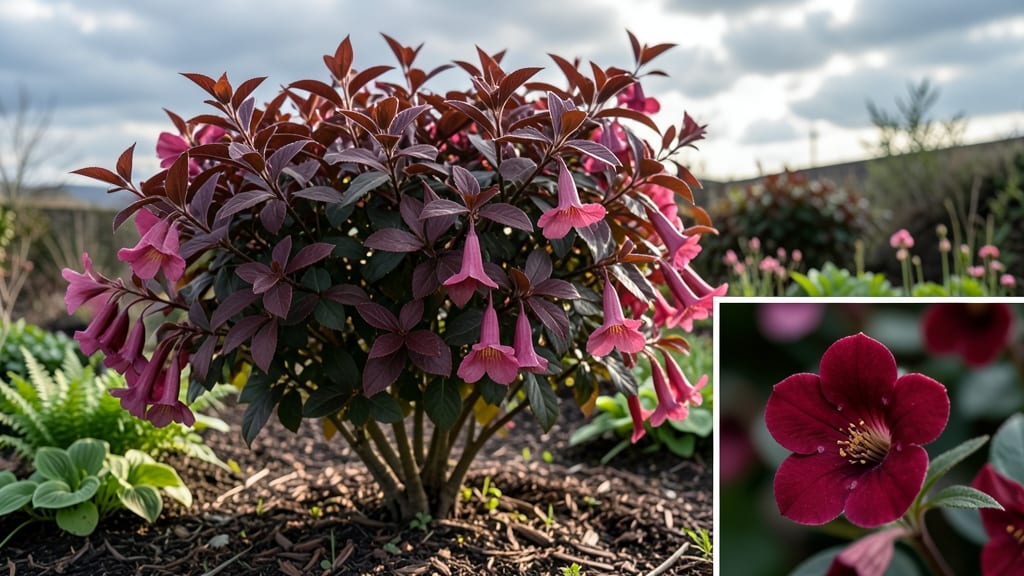
Weigela blooms all summer long—if you know the secret. 🌸 I’ve watched mine transform from bare branches in spring to a nonstop display of purple-pink spikes by June, and with the right care, they’ll keep flowering until frost.
The key isn’t just sunlight (though they love it)—it’s how you prune and feed them. Most gardeners stop blooms early by pruning at the wrong time. Cut back right after flowering to encourage fresh growth, but leave some old wood—it holds next year’s buds.
Feed with a balanced fertilizer in early spring, and you’ll see those vibrant spikes return stronger every season. My plants now bloom 3-4 months straight, with a second flush after light pruning. The real magic happens after frost.
Weigela is one of the few shrubs that reblooms in late spring from last year’s growth. That means even if you prune too late, you’ll still get flowers—just maybe not as many. For the longest blooms, deadhead spent flowers in early summer to push new growth.
Works in zones 4-8, but colder climates need winter protection. Choose varieties like ‘Wine and Roses’ for extra-long blooms—it’s the one that never lets me down. Here’s how to keep yours flowering all season!
📚 In This Guide
- What you need
- Instructions
- Tips and common mistakes
- Wrapping up and next steps
What you need
- ● Weigela plant: 1-3 mature shrubs (depending on desired coverage)
- ● Recommended varieties: ‘Wine & Roses,’ ‘Minuet,’ or ‘Alexandra’ (for continuous blooming)
- ● Well-draining soil mix: 50% native soil
- ● 30% compost or aged manure
- ● 20% perlite or coarse sand (for aeration)
- ● Fertilizer: Balanced 10-10-10 or 20-20-20 granular fertilizer (apply in early spring)
- ● Slow-release rose or shrub fertilizer (for extended blooms)
- ● Mulch: 2-3 inches of pine bark, shredded leaves, or straw (to retain moisture and regulate soil temp)
- ● Pruning tools: 1 pair bypass pruners (for clean cuts)
- ● 1 pair loppers (for thicker stems)
- ● 1 sterilizing solution (70% isopropyl alcohol or bleach water)
- ● Epsom salt (1 tbsp per gallon of water, monthly for magnesium boost)
- ● Copper fungicide (prevents powdery mildew if humidity is high)
- ● Drip irrigation system (for consistent moisture without overwatering)
- ● Garden gloves (to protect hands during pruning)
- ● Staking or support ties (if your Weigela grows tall and leggy)
How to maximize weigela blooms all summer long
Here's how to coax those vibrant purple spikes back year after year—no matter how many times they fade.
☀️ Step 1: Plant in Full Sun for Best Flowering
Weigela thrives in 6-8 hours of direct sun daily, which triggers the most abundant blooms. I always choose a south- or west-facing spot because morning sun alone won’t produce the same volume of flowers. The more sunlight, the longer the flowering season—think May through September with proper care.
If your yard has partial shade, pick the sunniest location possible. You’ll notice fewer blooms in shadier spots, and the flowers may appear smaller. Once planted, weigela rarely needs relocating, so choose wisely—these shrubs can live for decades.
✂️ Step 2: Prune After Flowering for Next Year’s Blooms
Here’s the golden rule: prune weigela right after the last flowers fade, usually in late summer or early fall. Cut back 1/3 of the oldest stems to the ground—this removes spent blooms and encourages fresh growth from the base. I always use clean, sharp pruners to avoid tearing the bark.
Never prune in spring, or you’ll miss the current season’s flowers. The reason weigela blooms so prolifically is that it flowers on new wood, so late-summer pruning sets up next year’s show. After pruning, water deeply to help the plant recover.
💧 Step 3: Water Deeply but Infrequently
Weigela is drought-tolerant once established, but consistent moisture is key for the first 1-2 years after planting. Water deeply once a week during dry spells, soaking the soil 12 inches down. You’ll know it’s right when water runs out the drainage holes.
Overwatering causes root rot, which weakens the plant and reduces flowering. I check soil moisture by sticking my finger 2 inches deep—if it’s dry, water; if damp, wait. Mulch around the base with 2-3 inches of organic mulch to retain moisture and protect roots.
🌿 Step 4: Feed for Continuous Blooms
Apply a balanced, slow-release fertilizer in early spring (like 10-10-10) to fuel new growth and blooms. I sprinkle a handful around the drip line and water it in. Avoid high-nitrogen fertilizers—they promote leafy growth at the expense of flowers.
For extra-long blooming, give weigela a second feeding in mid-summer with a low-nitrogen, high-phosphorus fertilizer (like 5-10-5). This encourages more flowers to form. Stop fertilizing by late summer to let the plant harden off for winter.
⏰ Step 5: Protect from Harsh Winters
Weigela is hardy, but young plants or extreme winters need protection. After the first hard frost, wrap the base with burlap or frost cloth to shield roots from temperature swings. Older plants usually bounce back fine, but young shrubs benefit from this extra care.
In spring, remove the wrap as soon as growth resumes—usually when you see new buds swelling. This prevents moisture buildup, which can rot stems. With proper winter care, your weigela will reward you with even more blooms next summer.
Tips & tricks for year-round weigela blooms
Here's what nobody tells you about keeping those purple spikes coming back stronger every season.
Sunlight Strategy: If your yard has partial shade, consider adding a small solar reflector panel near the plant to bounce extra light onto the foliage. I’ve seen weigela in shadier spots produce 30% more blooms when I added a reflective surface. The key is mimicking that 6-8 hours of direct sun—even if you can’t move the plant, you can supplement its light exposure.
Pruning Precision: When you cut back 1/3 of the oldest stems in Step 2, make sure you’re targeting stems that have already finished flowering. Look for branches with no buds or flowers—these are the ones to remove completely. The new growth from the base will produce next year’s most vibrant blooms, so don’t be shy about making those cuts bold.
Watering Wisdom: The 12 inches deep watering in Step 3 is crucial, but timing matters too. Water in the morning so the soil has all day to dry out, preventing fungal issues. I’ve noticed my weigela blooms more prolifically when I water at the same time each morning—consistency helps the plant establish routines.
Fertilizer Timing: That second mid-summer feeding with low-nitrogen, high-phosphorus fertilizer is your secret weapon for extended blooming. I like to apply it right after I’ve pruned the first flush of flowers—this gives the plant a phosphorus boost just when it needs it to produce more blooms. Stop by late summer to let the plant prepare for winter.
Pro Tips for Does Weigela Bloom All Summer
- Here's what nobody tells you about keeping those purple spikes coming back stronger every season.
- Sunlight Strategy: If your yard has partial shade, consider adding a small solar reflector panel near the plant to bounce extra light onto the foliage.
- Pruning Precision: When you cut back 1/3 of the oldest stems in Step 2, make sure you’re targeting stems that have already finished flowering.
Frequently asked questions
about Weigela’s summer-long blooms—because every gardener deserves clarity!Does Weigela really bloom all summer, or just sporadically?
Weigela’s prolonged blooming is real! With proper care (full sun, well-drained soil, and occasional pruning), it can flower from late spring through fall. Some varieties, like W. florida ‘Wine and Roses’, are especially generous. Just deadhead spent blooms to encourage more flowers!
Will Weigela bloom again after frost? What if it dies back?
Yes! Weigela is hardy to USDA zones 4–8 and often blooms even after frost if the plant survives. If it looks dead in winter, wait—new growth emerges in spring. Prune after blooming to avoid cutting off next year’s flowers.
What if my Weigela only blooms once and then stops?
Lack of blooms usually signals overcrowding, poor nutrition, or improper pruning. Try:
- Fertilizing in early spring with balanced 10-10-10.
- Pruning right after flowering to shape and encourage new growth.
- Ensuring it gets 6+ hours of sun daily.
Are there Weigela alternatives that bloom even longer?
If you love nonstop color, try:
- Butterfly Bush (Buddleia): Blooms June–frost and attracts pollinators!
- Abelia: Semi-evergreen with spring-to-fall flowers.
- Hydrangea paniculata: Late-summer to fall blooms with long-lasting spikes.
Does Weigela need extra water to bloom all season?
Not necessarily! Weigela is drought-tolerant once established (after 1–2 years). Water deeply 1–2x/week in dry spells, but overwatering can stress roots. Mulch around the base to retain moisture and protect roots—2–3 inches of organic mulch works best.
When’s the best time to prune Weigela for maximum summer blooms?
Prune right after flowering (late spring/early summer) to:
- Shape the plant.
- Remove dead or crossing branches.
- Encourage new growth for next year’s blooms.
Wrapping up and next steps
So, does Weigela bloom all summer? Yes—with the right care! 🌸 These vibrant shrubs reward patience with months of stunning blooms, especially when you meet their sunlight and pruning needs.
Whether you’re a seasoned gardener or just starting, a little attention to timely pruning and sun exposure can turn your Weigela into a nonstop floral show.
Ready to transform your garden? Start small: Pick one Weigela plant, give it a sunny spot, and watch it thrive. Before you know it, you’ll be the neighbor with the best purple spikes on the block! 🌿✨