
Blooming
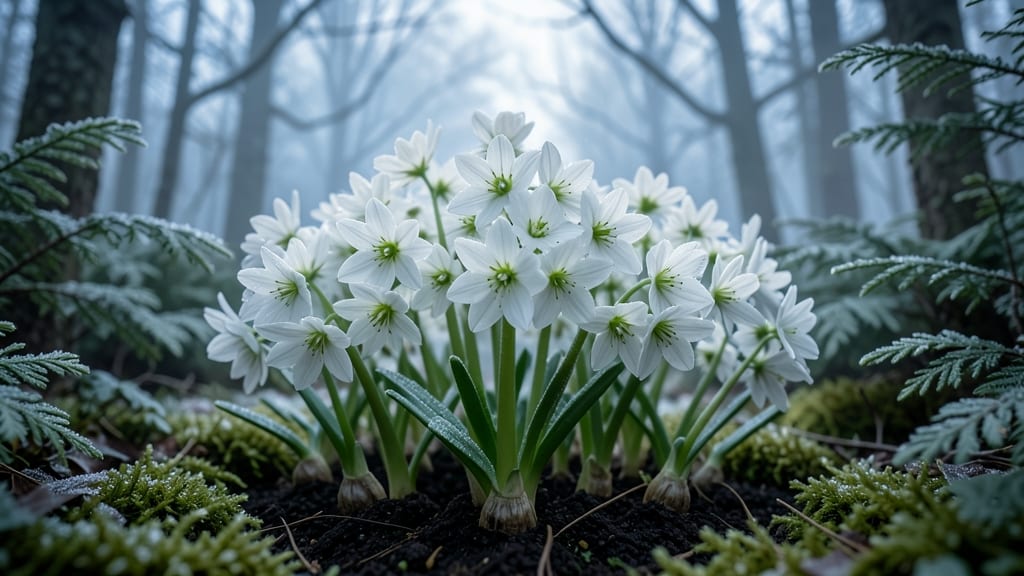
Winter gardens don’t have to be dull—these cold-hardy bulbs burst into vibrant blooms even when frost clings to the ground. Perfect for adding early color and attracting pollinators, these winter-bloomers thrive in chilly climates and bring life to barren landscapes.
Snowdrops: Delicate White Blooms for Early Pollinators
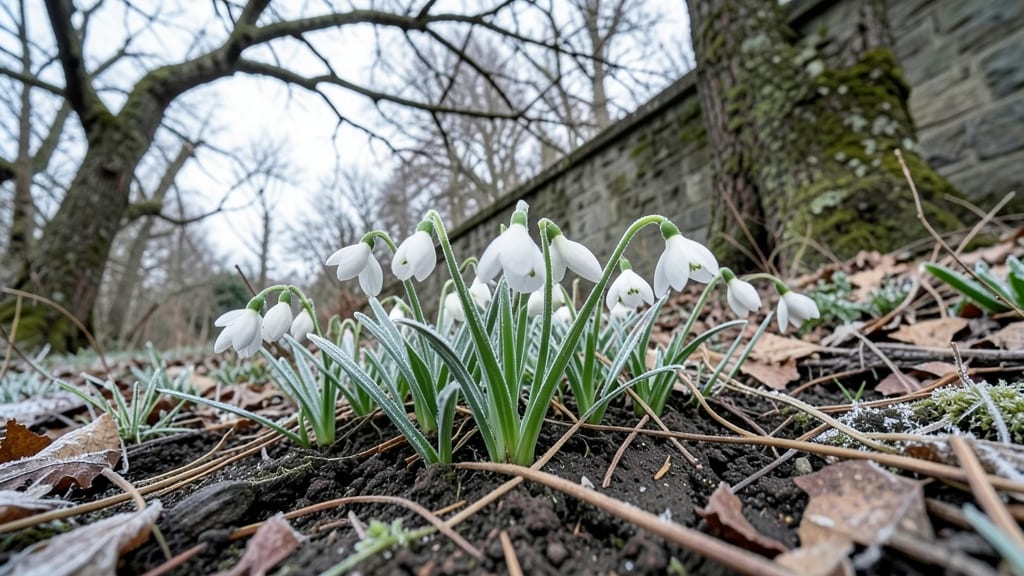
When winter’s grip feels strongest, snowdrops (Galanthus) punch through the frost with their delicate white blooms, offering nature’s first promise of spring. These hardy bulbs thrive in partial to full shade, making them ideal for under trees, along north-facing walls, or in woodland gardens where other plants struggle.
Plant them in well-drained soil with bulbs just 2 inches deep and 3 inches apart in fall for blooms as early as January. Their nodding flowers are a lifeline for honeybees and bumblebees in late winter when food is scarce, while their graceful arching stems add movement to still winter landscapes. 💚
Winter Aconite: Bright Yellow Cheer in Shady Spots
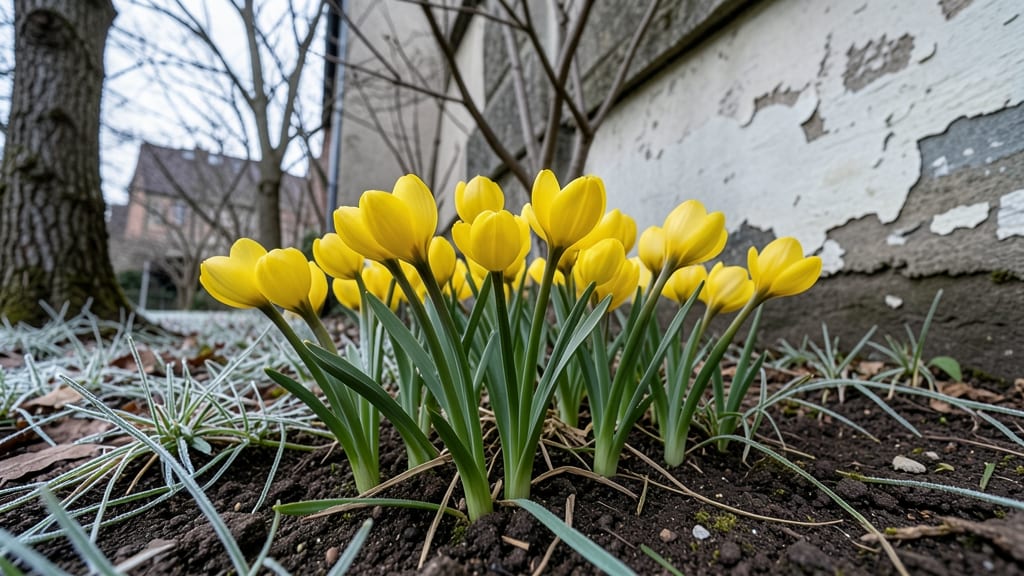
When your garden feels like a winter monochrome, winter aconite (Eranthis hyemalis) bursts onto the scene with its bright yellow blooms, defying the gray skies from January to March. This hardy bulb thrives in partial shade, making it perfect for under trees, along north-facing walls, or beneath shrubs where other plants struggle.
Plant the bulbs in well-drained soil in early autumn, about 2-3 inches deep, and they’ll reward you with cheerful flowers that contrast beautifully against dark evergreen foliage. Winter aconite also attracts early pollinators like bees, giving your garden a functional boost while looking stunning. Its compact size (6-8 inches tall) makes it ideal for small spaces or containers.
Perfect for gardeners who love low-maintenance yet impactful plants, winter aconite adds a pop of color when most gardens are still dormant. 🌻
Crocus: Purple and White Stars for Early Spring Color
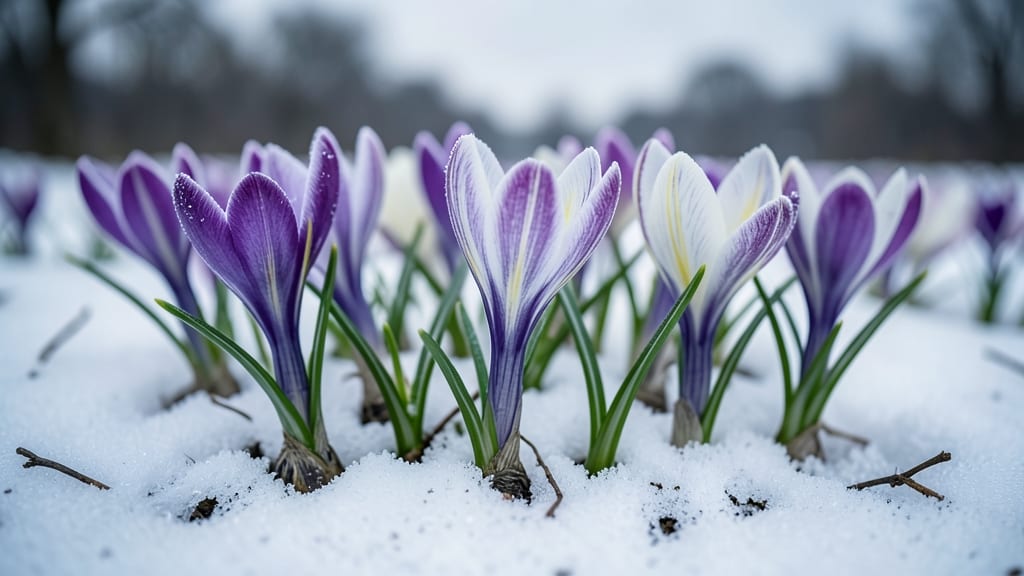
When you crave color before spring officially arrives, crocus (Crocus vernus) delivers a dazzling surprise in late winter. These hardy bulbs push through snow to reveal purple, white, or striped star-shaped blooms, signaling that warmer days are coming. Their cheerful faces are perfect for brightening up dull winter landscapes.
Plant crocus in full sun to partial shade for best results, and they’ll thrive in almost any well-drained soil—even lawns or rock gardens. The bulbs are fast-growing and multiply over time, creating naturalized drifts that return year after year. Plus, their early blooms provide essential nectar for bees, giving pollinators a much-needed energy boost when food is scarce.
Ideal for beginners and urban gardeners, crocus requires minimal care and fits perfectly in containers or along walkways. Just plant the bulbs 3-4 inches deep in fall, and you’ll be rewarded with a burst of winter color that’s both practical and uplifting. 🌻
Christmas Rose: Dark Green Leaves with Pink Blooms
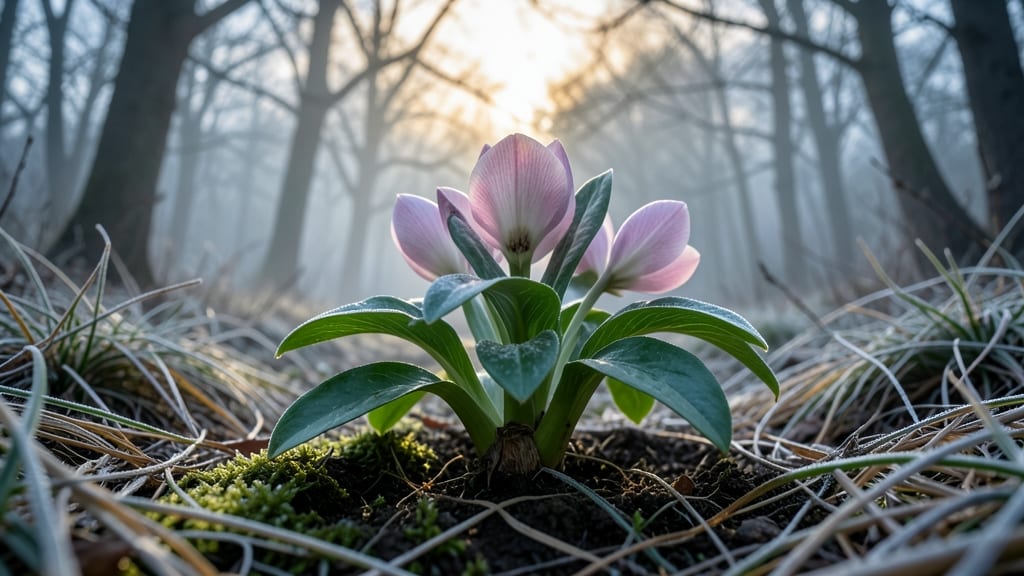
Transform your shady garden into a winter wonderland with the Christmas rose (Helleborus niger), a bulb that defies the cold with its glossy evergreen leaves and delicate pink blooms. Unlike most winter plants, it thrives in low-light conditions and blooms from December through February, offering a rare splash of color when other gardens are dormant.
This hardy perennial prefers moist, well-drained soil and partial to full shade, making it perfect for under trees or along north-facing walls. Its dark green foliage provides year-round structure, while the nodding flowers add a touch of elegance to dark corners. Plant bulbs 3-4 inches deep in fall for the best results, and enjoy blooms that last for weeks in chilly weather.
Gardeners with shaded spots or those seeking low-maintenance winter interest will love the Christmas rose—it’s deer-resistant and thrives with minimal care. 🌿
Winter Jasmine: Fragrant Yellow Clusters for Walls and Trellises
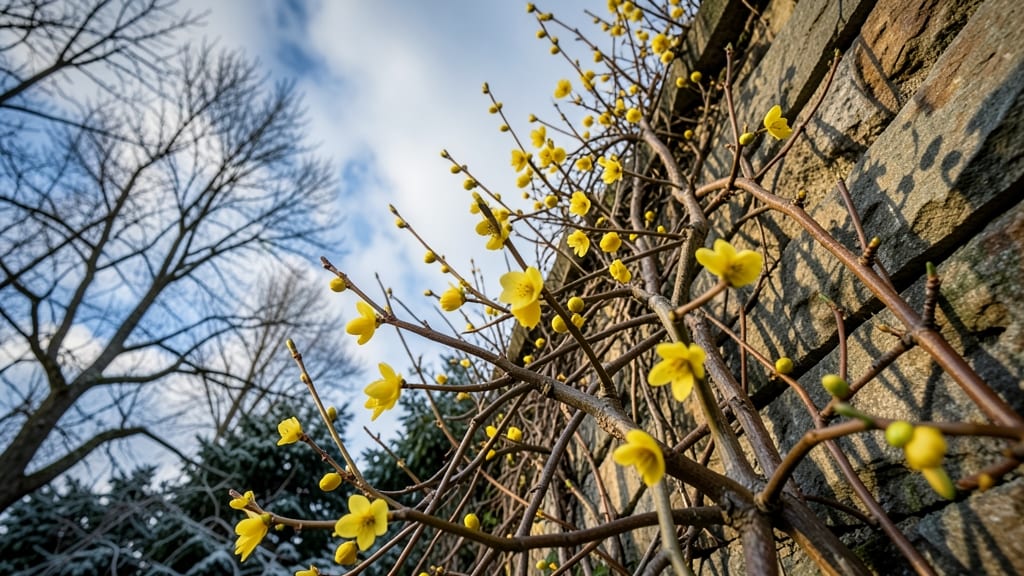
If you're craving year-round vertical interest, winter jasmine (Jasminum nudiflorum) is your secret weapon. Unlike true bulbs, this woody-stemmed climber bursts into bright yellow, fragrant blooms from December through March—long after most winter gardens have gone dormant.
Plant it against walls, trellises, or fences where it can scramble upward to 6-10 feet, creating a cascading curtain of color. It thrives in full sun to partial shade and tolerates USDA zones 5-9, making it ideal for cold climates. Prune back stems after flowering to encourage bushier growth next season.
Perfect for urban gardens with limited space, winter jasmine adds height, fragrance, and winter cheer without the fuss of traditional bulbs. 🌻
Glory-of-the-Snow: Striking Purple and White Flowers
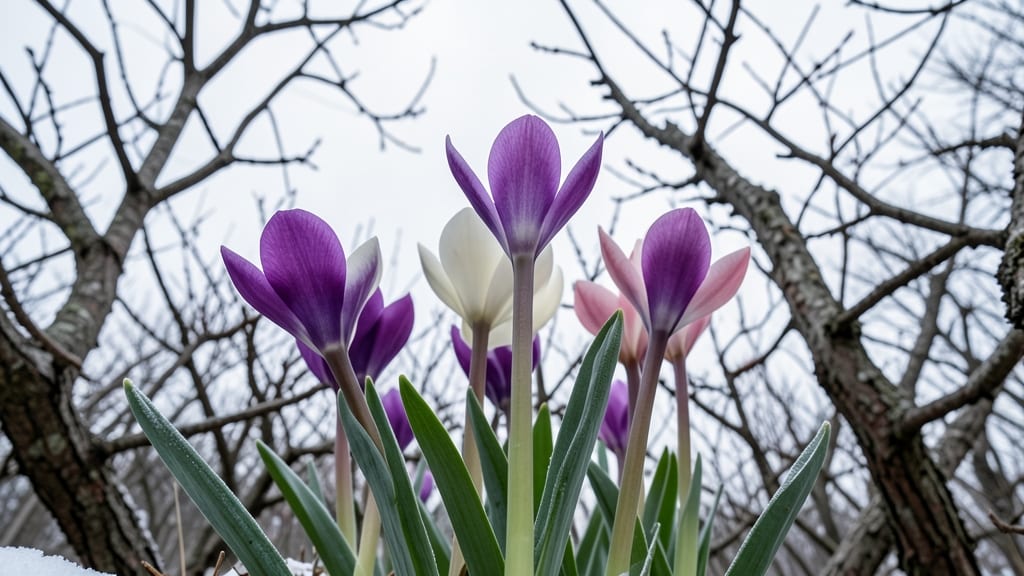
When you crave dramatic winter color that stands out against bare branches, Glory-of-the-Snow (Chionodoxa luciliae) delivers with its bold, cup-shaped blooms in purple, white, or pink. Unlike delicate winter bloomers, these flowers grow on sturdy stems, reaching 6-12 inches tall—perfect for adding vertical interest to early spring borders.
Plant these bulbs in full sun to partial shade from fall to early winter, ensuring they get well-drained soil to prevent rot. Their late winter to early spring bloom time (February–March) makes them ideal for filling gaps before spring perennials emerge. Group them in clusters of 10+ for maximum impact, especially near patios or walkways where their vibrant hues will catch the eye.
This bulb thrives in USDA Zones 3-8, making it one of the hardiest winter bloomers for cold climates. Gardeners in small spaces will love how it fits neatly in containers or rock gardens, while larger borders benefit from its bold contrast against evergreens or dormant grasses. 💚
Daffodils: Classic Yellow Blooms for Brightening Dark Corners
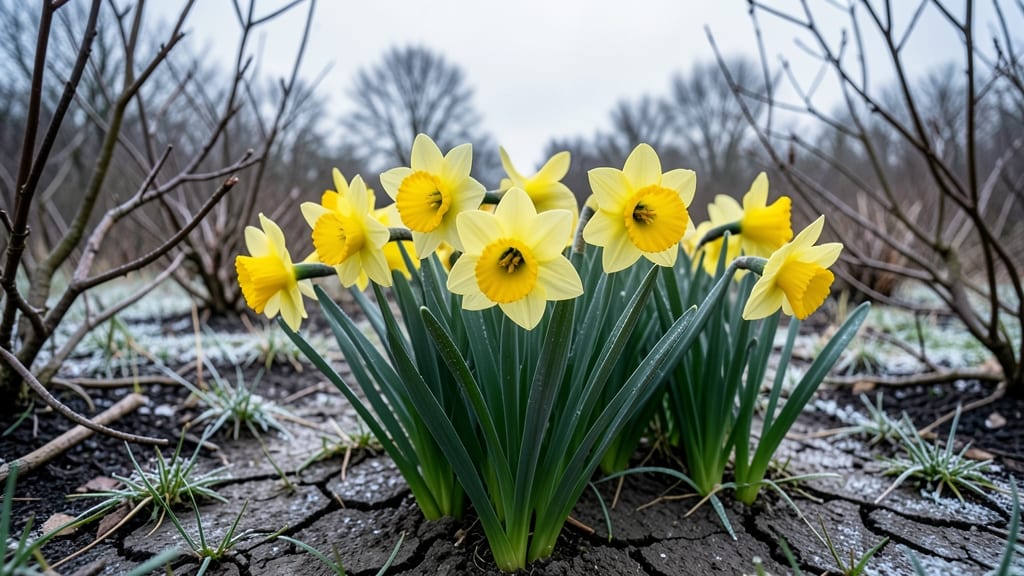
If you're craving a burst of color when winter seems endless, daffodils (Narcissus) are your secret weapon. These cheerful blooms defy the cold, emerging in late winter to early spring with their iconic yellow trumpets—a symbol of renewal that brightens even the darkest corners of your garden.
Plant them in clusters under trees or along fences for maximum impact, as their height (12-24 inches) makes them stand out. Daffodils thrive in full sun to partial shade and are deer-resistant, making them low-maintenance stars. For early indoor blooms, force bulbs in pots by chilling them for 12-16 weeks before bringing them indoors.
Perfect for gardeners who want bold color with minimal effort, daffodils also signal spring's arrival to pollinators. 🌻
Hellebores: Evergreen Foliage with Unique Shaped Flowers
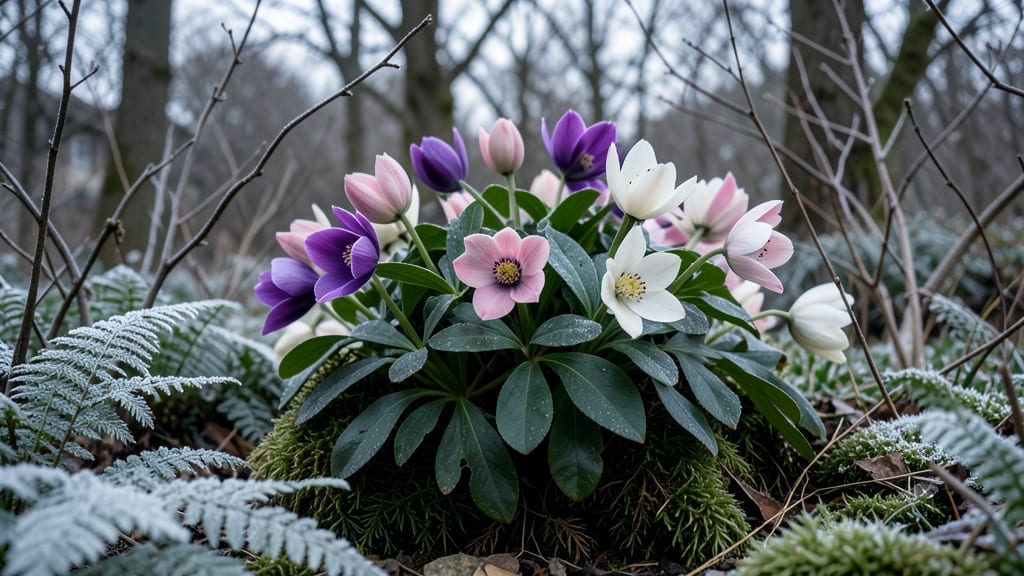
When your garden feels like a winter monochrome, helleborus—or Lenten roses—bring unexpected color and texture to shaded spots. These evergreen perennials defy the season with their unique, nodding blooms in white, pink, or deep purple, often appearing from February to April when little else is in bloom.
Perfect for woodland gardens or under trees, hellebores thrive in moist, well-drained soil and even tolerate light frost. Their dark, leathery foliage provides year-round structure, while the flowers attract early pollinators like bees and hoverflies. For best results, plant bulbs 6 inches deep and 12 inches apart in fall, ensuring they get partial to full shade—ideal for gardeners with limited sun.
These low-maintenance plants are a must for beginners and shade-loving gardeners, offering both beauty and resilience. Their long bloom time and evergreen leaves make them a standout in any winter garden. 💚
Squirrel Corn: Tiny but Mighty Winter Blooms
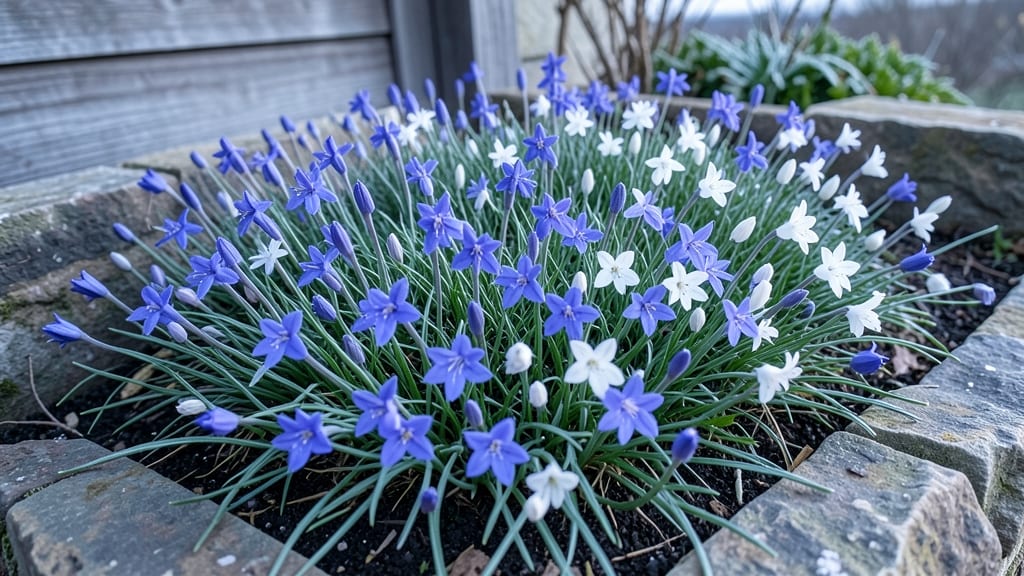
If you love compact gardens or containers, squirrel corn (Scilla siberica) is your secret weapon for late winter color. This underrated bulb packs a punch with its dense clusters of tiny blue or white flowers, creating a carpet-like effect in small spaces—ideal for rock gardens, window boxes, or even crevices between stepping stones.
Unlike larger winter bloomers, squirrel corn thrives in full sun to partial shade, making it versatile for tricky spots where other bulbs struggle. Plant the bulbs just 2 inches deep in well-draining soil, and you’ll see blooms as early as February, often before snow melts. Its narrow, grass-like foliage adds texture even after flowering, and it’s deer-resistant—a bonus for rural gardeners.
Perfect for urban gardeners with limited space or those who want to fill gaps between larger plants, squirrel corn delivers bold impact without bulk. Try mixing it with heather or creeping thyme for year-round interest. 🌱
Snowflake: Star-Shaped White Flowers for Woodland Gardens

Looking for a whimsical winter bulb that feels like a fairy tale? Snowflake (Leucojum vernum) delivers delicate, star-shaped white blooms with charming green centers, transforming shaded borders into enchanting winter wonderlands. Unlike its more common relatives, this bulb thrives in the quiet magic of woodland gardens, where it blooms from February to April.
Plant Leucojum vernum in moist, well-drained soil under trees or along north-facing walls, where it naturally mimics its woodland habitat. Its slender stems (12-18 inches tall) create a graceful, airy display that contrasts beautifully with evergreens. A bonus: these bulbs are low-maintenance and multiply over time, creating natural drifts of ethereal blooms year after year.
Perfect for gardeners who love understated elegance, Snowflake is ideal for shaded spots where other bulbs struggle. Its late-winter bloom time bridges the gap between snowdrops and daffodils, offering a unique touch of early spring magic before the garden wakes up fully. 🌿