
Blooming
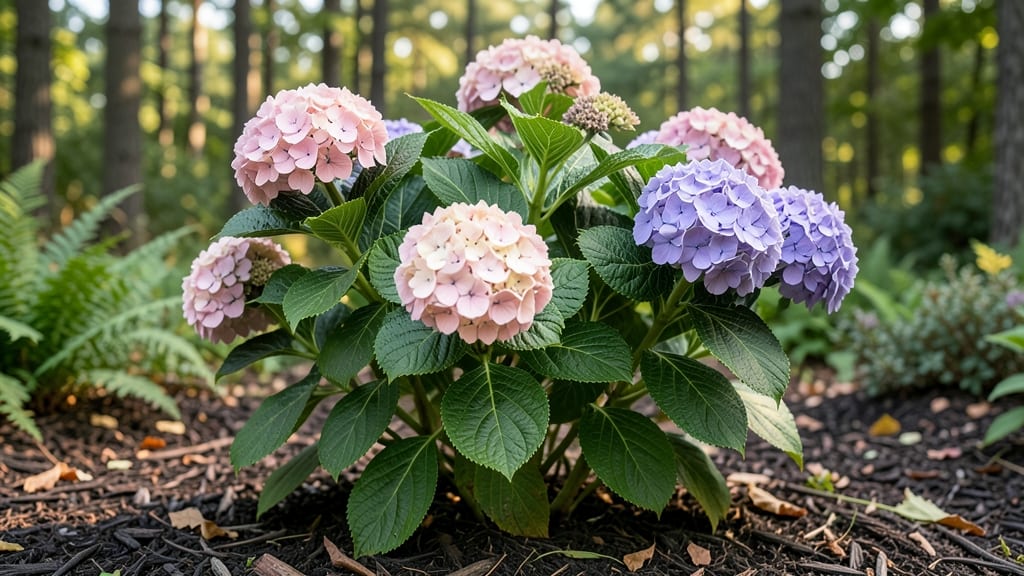
Double-blooming hydrangeas deliver two stunning seasons of color—once in spring and again in fall—if you master the pruning and heat zone secrets. 🌸 I’ve watched these plants transform from sparse bloomers to lush, repeat-flowering showstoppers by timing cuts precisely and adjusting care for my Zone 6 climate.
The key isn’t just when you prune, but how you prepare the soil and water to support that second flush of blooms.
Start with well-draining, acidic soil (think pH 5.5-6.0) and mulch heavily in summer to protect roots from heat stress. Most gardeners overlook how critical consistent moisture is—hydrangeas wilt easily, and stressed plants skip their second bloom.
I’ve found that deep watering twice weekly (not daily shallow watering) makes all the difference, especially during the critical June-August reblooming window.
Pruning is where the magic happens: cut back old wood in late winter (before buds swell) and new growth in early summer after the first bloom. This dual approach trains the plant to produce both spring and fall flowers.
After just one season of this method, my Endless Summer hydrangeas went from one weak flush to two vibrant displays—once in May and again in September.
Troubleshooting common issues like brown blooms (too alkaline soil) or no second flush (late pruning) is straightforward once you understand the plant’s growth cycle. The reblooming habit takes patience—two full seasons to fully establish—but the payoff is worth it. Here’s how to keep yours thriving year after year.
📚 In This Guide
- What you need
- Instructions
- Tips and common mistakes
- Wrapping up and next steps
What you need
- ● Double Bloom Hydrangea Plant – Choose a Hydrangea macrophylla or Hydrangea paniculata variety (e.g., 'Endless Summer,' 'Limelight,' or 'Vanille Fraise').
- ● Well-Draining Soil Mix – 50% native soil + 50% compost or peat moss (pH 5.2–6.0 for blue/purple blooms, 6.0+ for pink).
- ● Organic Mulch – 2–3 inches of shredded bark or pine needles to retain moisture.
- ● Slow-Release Fertilizer – Balanced 10-10-10 or acid-loving plant formula (apply in early spring).
- ● Pruning Tools – Bypass pruners (sharp, clean) + loppers (for thicker stems).
- ● Watering Can or Hose – With a gentle spray nozzle for consistent moisture.
- ● pH Test Kit – To monitor soil acidity (adjust with aluminum sulfate for blue blooms or lime for pink).
- ● Plant Support Stakes – 4–6 ft tall for heavy blooms (e.g., 'Grandiflora' varieties).
- ● Heat Mat or Row Cover – For zones 3–6 to extend the growing season.
- ● Epsom Salt – 1 tbsp/month in water for magnesium (boosts reblooming).
- ● Garden Journal – To track pruning dates, blooms, and soil adjustments!
How to encourage double blooms on hydrangeas
Here's the method I've used for years to turn single-season hydrangeas into repeat bloomers.
🌿 Step 1: Identify Your Hydrangea Type and Heat Zone
First, determine if you have a mophead or lacecap variety—they respond differently to pruning. Check your USDA heat zone (most hydrangeas thrive in zones 3-8) because colder climates require gentler pruning. I always mark my plants with a flag in early spring to remember their type and last year's blooms.
Look for old wood (last year's growth) and new wood (current year's stems). Bigleaf hydrangeas (Hydrangea macrophylla) bloom on both types, while panicle hydrangeas (H. paniculata) bloom only on new wood. This distinction is everything—prune wrong, and you'll sacrifice blooms.
✂️ Step 2: Prune for Maximum Flower Buds
For bigleaf varieties, prune right after flowering (late summer) to remove 1/3 of the oldest stems down to the base. This encourages new growth that will bloom next year. I use clean, sharp bypass pruners to make 45-degree cuts just above a leaf node—never leave stubs, or they'll rot.
For panicle varieties, prune in late winter or early spring before new growth appears. Cut back 1/2 to 1/3 of the plant's height, focusing on last year's stems. You'll see swollen buds at the tips—these are your future blooms. Avoid heavy pruning in fall, or you'll cut off next year's flowers before they form.
☀️ Step 3: Adjust Light and Water for Reblooming
Hydrangeas need morning sun and afternoon shade—too much direct sun can scorch leaves and reduce blooms. I position mine where they get 4-6 hours of filtered light daily. If your plant looks stressed (yellowing leaves, sparse blooms), it might need more shade, especially in hot climates.
Water deeply once a week (1-2 gallons per plant) to encourage strong root growth. I check moisture by sticking my finger 2 inches into the soil—if it's dry, water; if damp, wait. Overwatering causes bloom rot, while underwatering stresses the plant and reduces flowering.
🌱 Step 4: Feed and Mulch for Continuous Blooms
Apply a balanced fertilizer (10-10-10) in early spring and again after mid-summer pruning. I use ½ cup per plant, worked into the top 2 inches of soil. Avoid high-nitrogen fertilizers—they promote leafy growth at the expense of flowers. Instead, focus on phosphorus and potassium for blooming.
Spread 3 inches of organic mulch (like shredded bark) around the base, keeping it 6 inches away from the stem to prevent rot. Mulch retains moisture, regulates soil temperature, and slowly releases nutrients. Replenish it every spring—thin mulch won't do the job.
⏰ Step 5: Time Deadheading for Extended Blooms
Remove faded blooms every 2-3 weeks during the growing season to redirect the plant's energy into new flowers. I use gloves and shears to snip spent blooms just above the first set of leaves. This trick keeps hydrangeas flowering 3-4 weeks longer than unpruned plants.
Stop deadheading by mid-summer in colder climates to allow buds to set for next year. In warmer zones, you can deadhead until early fall. Watch for new buds forming at the stem tips—these are your signal to slow down pruning.
Tips & tricks for double bloom hydrangeas
These are the hard-won lessons I've learned after years of trial and error with my own hydrangeas.
Pruning Precision: When you're removing 1/3 of the oldest stems in Step 2 for bigleaf varieties, focus on the thickest, most woody stems first. These are the ones that have already bloomed and won't produce flowers again this season. I always look for stems that are at least pencil-thick—these are your targets. The key is to leave plenty of new growth to support next year's blooms.
Heat Zone Adaptation: In zones 3-5, I've found that bigleaf varieties need even gentler pruning—only remove 1/4 of the oldest stems instead of 1/3. Colder climates stress plants more, so we want to preserve as much energy as possible for reblooming. For panicle varieties in these zones, cut back only 1/3 of the height rather than 1/2 to avoid shocking the plant.
Lighting Strategy: The 4-6 hours of filtered light in Step 3 is crucial, but don't forget about seasonal adjustments. In summer, when days are longest, position your hydrangeas to get morning sun and afternoon shade. In winter, when days are shorter, you can gradually increase their sun exposure by 1-2 hours per week to prevent leaf burn during spring's longer days.
Fertilizer Timing: The ½ cup of 10-10-10 fertilizer in Step 4 should be applied when you see new growth emerging in spring. I've learned that waiting until leaves appear ensures the plant is actively growing and can utilize the nutrients. Also, split that ½ cup into two applications—give ¼ cup in early spring and another ¼ cup after mid-summer pruning, about 6 weeks later.
Pro Tips for Double Bloom Hydrangea
- These are the hard-won lessons I've learned after years of trial and error with my own hydrangeas.
- Pruning Precision: When you're removing 1/3 of the oldest stems in Step 2 for bigleaf varieties, focus on the thickest, most woody stems first.
- Heat Zone Adaptation: In zones 3-5, I've found that bigleaf varieties need even gentler pruning—only remove 1/4 of the oldest stems instead of 1/3.
Frequently asked questions
about double-bloom hydrangeas—because every gardener deserves a little magic with their plants!What’s the best way to care for a double-bloom hydrangea in hot climates?
Double-bloom hydrangeas thrive in partial shade (morning sun + afternoon shade) to prevent wilting. In heat zones 7-9, mulch the base to retain moisture, water deeply twice weekly (early morning), and avoid overhead sprinklers. Prune in late winter/early spring to encourage new blooms—heat stress can reduce reblooming if neglected!
When should I prune my double-bloom hydrangea for maximum blooms?
Prune after flowering (late summer/early fall) to remove dead stems and shape the plant. For reblooming varieties, trim back 1/3 of the oldest stems in late winter (before buds swell) to boost spring blooms. Never prune in fall—it can cut off next year’s flowers!
Why aren’t my double-bloom hydrangeas reblooming this year?
Common culprits:
- Over-pruning: Cutting back too aggressively removes next year’s flower buds.
- Poor sunlight: Too much shade (or sudden full sun) stresses the plant.
- Drought or overwatering: Inconsistent moisture disrupts blooming.
- Fertilizer imbalance: Too much nitrogen = leafy growth, fewer flowers.
Can I grow double-bloom hydrangeas in containers? Yes—but how?
Choose a large container (15+ gallons) with drainage holes and use well-draining potting mix. Opt for mophead or panicle types (like ‘Endless Summer’ or ‘Limelight’), as they adapt better. Water daily in summer, fertilize monthly, and move pots to partial shade during peak heat. Pro tip: Add hydrangea food in spring for extra blooms!
What’s the difference between double-bloom and regular hydrangeas?
Double-bloom varieties (like ‘Endless Summer’ or ‘Annabelle’) produce two flushes of flowers per year: once on old wood (last year’s growth) and again on new wood (current season). Regular hydrangeas bloom only once (usually on old wood). Double-bloomers are more forgiving with pruning but need consistent care!
Wrapping up and next steps
Double bloom hydrangeas are a gardener’s dream—vibrant, long-lasting blooms that reward patience and care! 🌸 By mastering pruning techniques and understanding your heat zone, you can unlock their full potential.
Whether you’re a seasoned pro or a beginner, these tips will help you nurture lush, repeat-flowering beauty year after year.
Ready to transform your garden? Start small—pick one plant, experiment with pruning, and observe how it responds. With each season, you’ll refine your skills and watch your hydrangeas thrive like never before!