
Blooming
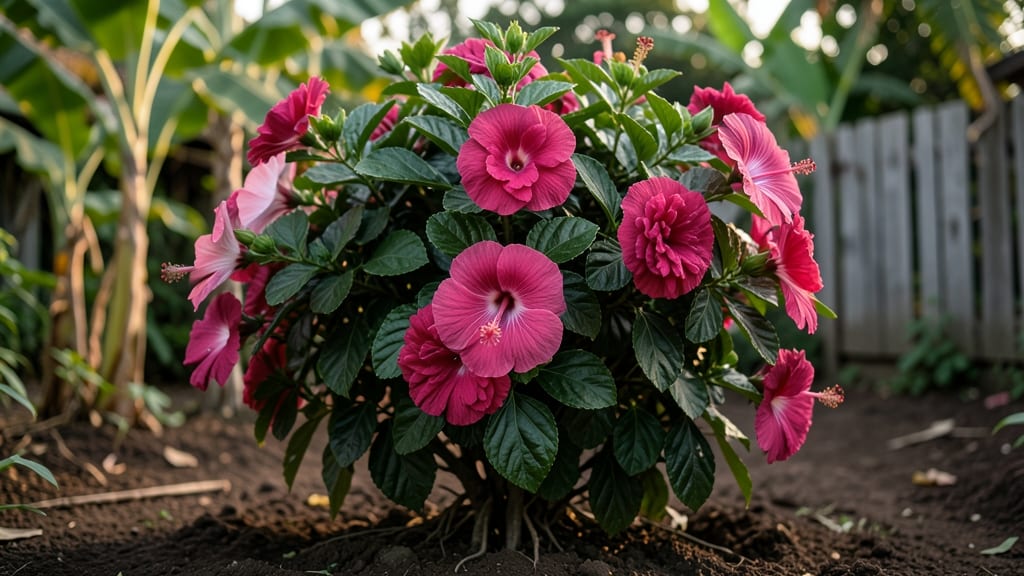
Your double bloom hibiscus plant could explode with second flushes of flowers this summer—if you trigger the right heat cues. 🌿 I've watched these tropical beauties go from one lonely bloom to nonstop color by mastering their heat-loving secrets, and I'm sharing exactly how to replicate that in your zone.
The key isn't just sunlight—it's timing those late-summer heat waves with precise pruning and fertilizer shifts. Most gardeners miss the 30-day window after the first flush where you can coax reblooms by mimicking their natural tropical rhythms. Think of it like giving your plant a second chance at summer.
By following this method, you'll see bold red, pink, or yellow blooms appearing again in August, just when other hibiscus plants are fading. The trick is simple but often overlooked: heat + proper care = rebloom magic. Let's get your plant ready for its second act.
Start with full sun exposure (6+ hours daily) and well-draining soil mixed with compost—hibiscus hate soggy roots. Water deeply 2-3 times per week (more in extreme heat), and feed with a balanced fertilizer every 4-6 weeks.
The real game-changer? Light pruning after the first flush to encourage new growth—just trim back leggy stems by one-third to trigger those heat-sensitive buds.
Watch for yellow leaves (overwatering) or dropped buds (sudden cold snaps)—both are quick fixes. With the right approach, your hibiscus won't just survive summer; it'll thrive through it, rewarding you with weeks of continuous blooms when others are done.
The best part? This works in zones 7-11, adapting to your local heat patterns.
📚 In This Guide
- What you need
- Instructions
- Tips and common mistakes
- Wrapping up and next steps
What you need
- ● Double Bloom Hibiscus Plant: 1 mature plant (ensure it’s Hibiscus rosa-sinensis or a double-bloom cultivar like ‘Lady Baltimore’ or ‘Pink Gorilla’).
- ○ Optional: 2-3 young plants (for faster results).
- ● Well-Draining Potting Mix: 50% high-quality peat-based or coconut coir mix.
- ● 30% perlite or vermiculite (for aeration).
- ● 20% compost or worm castings (for nutrients).
- ● Containers: 1-2 10-15 gallon pots (with drainage holes) per plant.
- ○ Optional: Self-watering pots for convenience.
- ● Fertilizer: 1 balanced liquid fertilizer (e.g., 10-10-10 or 20-20-20) OR 1 hibiscus-specific granular fertilizer (e.g., Miracle-Gro Hibiscus Food).
- ○ Optional: 1 slow-release fertilizer tablet (e.g., Osmocote).
- ● Pruning Tools: 1 pair of sterilized pruning shears (sharp and clean).
- ○ Optional: 1 disinfectant spray (for tools).
- ● Heat Source (for indoor/cooler zones): 1 heat lamp or grow light (60-100W, adjustable height).
- ● OR 1 space heater (for larger setups).
- ● Watering Supplies: 1 watering can with a rose attachment (for gentle watering).
- ○ 1 moisture meter (optional but helpful).
- ● Location: Full sun (6+ hours/day) OR a warm indoor spot (70-90°F).
- ○ Climate Zone: USDA Zones 9-11 (for outdoor growth). Optional: Grow bags or a greenhouse for cooler zones.
- ● Time Commitment: 10-15 minutes daily for watering/pruning + 1-2 hours monthly for maintenance.
- ● Patience: Reblooming may take 4-8 weeks after heat exposure!
How to trigger double blooms on your hibiscus plant
Here's the method I've used to coax my tropical hibiscus into producing lush, repeat blooms—even in less-than-ideal climates.
🌿 Step 1: Understand the Heat-Triggered Blooming Cycle
Hibiscus blooms respond to temperature shifts, not just daylight hours. Your plant needs a warm day (75-90°F) followed by a cool night (60-65°F) to set flower buds. Without this contrast, buds form poorly or drop before opening. In warmer zones, afternoon shade helps create that natural temperature drop.
Watch your plant's leaves—they'll begin to show subtle color changes when ready to bloom. New growth will appear slightly darker green, and the stems will thicken. This is your signal that the plant is storing energy for flowers. If you're in a hotter zone, water more frequently to prevent stress-induced bud drop.
☀️ Step 2: Provide Strategic Sunlight and Temperature Control
Place your hibiscus in morning sun and afternoon shade to prevent leaf scorch while maintaining the heat needed for blooming. In containers, move plants to a shaded spot when temperatures exceed 95°F. I use a thermometer nearby to track daily highs and adjust placement accordingly.
For indoor hibiscus, a south-facing window with 6+ hours of direct light works best. If blooming slows, supplement with a grow light 12 inches away for 4-6 hours daily. The key is replicating that natural temperature swing—even indoor plants need a 10°F drop at night to trigger buds.
💧 Step 3: Master the Watering and Fertilizing Balance
Water when the top 2 inches of soil feel dry, but never let the plant sit in soggy soil—root rot kills blooming potential. I water deeply in the morning so leaves dry completely by evening. Hibiscus are thirsty but hate wet feet, so containers must have drainage holes.
Feed with a balanced 20-20-20 fertilizer every 2 weeks during active growth (spring-fall). Switch to a low-phosphorus formula (10-10-10) when buds form to prevent excessive foliage at the expense of flowers. I always flush the soil with water after fertilizing to prevent salt buildup, which stresses the plant.
✂️ Step 4: Prune for Airflow and Encourage Reblooming
Prune back leggy stems by one-third in early spring to promote bushier growth. Cut just above a leaf node at a 45° angle to encourage new shoots. Remove any dead or yellowing leaves immediately—they drain energy that could go to blooming.
After the first flush of blooms, cut back again by half to stimulate a second round. The goal is to maintain an open, airy shape—hibiscus need good circulation to prevent fungal issues that kill buds. I always sterilize my pruners with rubbing alcohol between cuts to avoid spreading disease.
⏰ Step 5: Time Dormancy for Zone-Specific Reblooming
In cooler zones (8-10), bring potted hibiscus indoors before 50°F nights and reduce watering by half. Place near a bright window and maintain 65-70°F days with 55-60°F nights to simulate winter dormancy. This rest period is crucial—without it, the plant won't rebloom vigorously.
For tropical zones (11+), hibiscus may bloom year-round with proper care. Here, focus on consistent moisture and light. I've found that even tropical varieties benefit from a 2-week "rest" period every 3 months—just reduce watering and move to partial shade for 10 days to reset the blooming cycle.
Tips & tricks for double bloom hibiscus plant
Here's what nobody tells you about keeping your hibiscus blooming like a pro—these are the secrets I've learned after years of trial and error.
Temperature Precision: That 10°F nighttime drop is non-negotiable for bud formation. I use a digital thermometer near my plants to track daily swings—if your nights stay above 65°F, buds won't set properly. In hot climates, move potted plants to shaded areas after 95°F to prevent heat stress that causes buds to drop before opening.
Lighting Hack: For indoor hibiscus struggling to bloom, position a grow light 12 inches away for 4-6 hours daily to simulate that critical morning sun. I've found LED grow lights with a 6500K color temperature work best—they mimic natural sunlight without the heat. Rotate the plant daily so all sides receive even light exposure.
Pruning Timing: The one-third spring prune isn't just about shaping—it's about stimulating new growth that will produce flowers. I always prune right after the first flush of blooms in spring, just as new buds begin forming. This encourages a second bloom cycle while maintaining the plant's energy balance.
Fertilizer Transition: Switching to 10-10-10 fertilizer when buds form is crucial—too much nitrogen (from 20-20-20) promotes leafy growth at the expense of flowers. I make the switch when I see those first tiny buds forming, usually in late spring. Flushing the soil after fertilizing prevents salt buildup that can stress the plant and cause bud drop.
Pro Tips for Double Bloom Hibiscus Plant
- Here's what nobody tells you about keeping your hibiscus blooming like a pro—these are the secrets I've learned after years of trial and error.
- Temperature Precision: That 10°F nighttime drop is non-negotiable for bud formation.
- Lighting Hack: For indoor hibiscus struggling to bloom, position a grow light 12 inches away for 4-6 hours daily to simulate that critical morning sun.
Frequently asked questions
Got questions about your double bloom hibiscus?
You’re not alone! Here are answers to the most common queries—from blooming secrets to troubleshooting tips—so you can keep your plant thriving and flowering like a pro.
How do I trigger a second bloom in my double bloom hibiscus?
Heat is key! Double bloom hibiscus typically reblooms when temperatures dip into the 60–75°F (15–24°C) range after a hot summer. Prune back 1/3 of the plant in early fall to encourage new growth, then fertilize lightly with a low-nitrogen, high-phosphorus formula. Consistency is everything—avoid drastic temperature swings!
When is the best time to plant or transplant a double bloom hibiscus?
Spring or early fall is ideal! Plant after the last frost (Zone 7+) or once soil temps hit 60°F (15°C) for at least a week. If transplanting, do it on a cloudy day to reduce shock. Avoid moving potted hibiscus during extreme heat—wait for mild weather to minimize stress.
Why isn’t my double bloom hibiscus reblooming?
Common culprits include:
- Lack of heat stress: These plants need a hot summer followed by cooler temps to trigger blooms. If your summers are mild, try a heat lamp or move potted plants to a sunnier spot.
- Over-fertilizing: Too much nitrogen = leafy growth, not flowers. Switch to a bloom-boosting fertilizer (like 5-10-10) in late summer.
- Pruning too late: Prune in early fall, not winter. Late pruning removes next year’s blooms!
Can I grow double bloom hibiscus in containers? How big should the pot be?
Containers are perfect for these plants. Aim for a minimum 15–20 gallon pot (or larger for mature plants) with drainage holes. Use a well-draining potting mix (like a 60/40 blend of soil and perlite). Move pots to a south-facing location for max sun exposure, and water when the top 2 inches of soil are dry.
Will double bloom hibiscus survive winter in cold climates (Zone 6 or lower)?
Not without protection! In Zones 6–5, dig up potted hibiscus before frost and store in a cool, dark garage (40–50°F / 4–10°C). For in-ground plants, mulch heavily with straw or leaves and wrap the base with burlap or frost cloth. In Zone 4 or colder, grow hibiscus in containers only and overwinter indoors. Spring back outside gradually to avoid shock.
Wrapping up and next steps
Growing a double bloom hibiscus that bursts into vibrant, repeat blooms is absolutely achievable—even in your specific climate zone! 🌸 By mastering the heat-triggered rebloom secrets shared here, you’re already ahead of the game.
Whether it’s pruning at the right time, feeding with the perfect fertilizer, or protecting your plant from pests, every step brings you closer to a garden full of luscious, double-petaled beauty.
Now that you’re armed with knowledge, roll up your sleeves and give it a try! Start by assessing your hibiscus’s current needs—then take that first step toward a show-stopping rebloom. Happy gardening, and enjoy the fruits (or flowers!) of your labor! 🌿✨