
Blooming
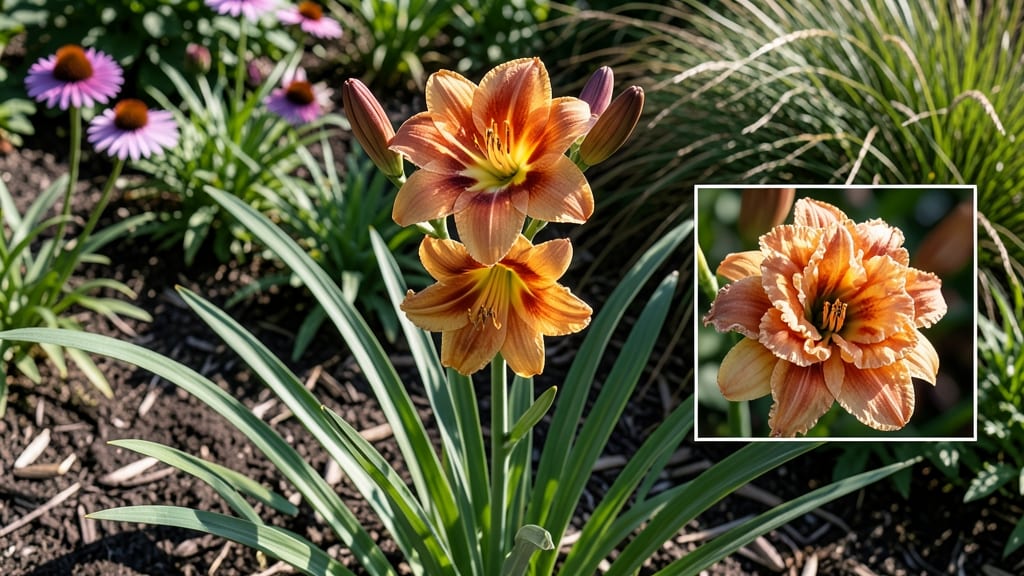
Double-bloom daylilies transform your garden into a purple paradise—and the secret to their reblooming magic lies in heat-triggered care. 🌸 I’ve watched these hardy perennials go from one flush of blooms to year-round spikes of color by mastering just a few key techniques, starting with the right soil and sunlight combo.
The foundation is simple: well-draining soil rich in organic matter (think compost or aged manure) and full sun for at least 6 hours daily.
Varieties like 'Stella de Oro' and 'Happy Returns' thrive in these conditions, but the real trick is heat management—too much scorching sun can stress the plants, while consistent moisture keeps them blooming. I’ve even seen them push out second blooms in late summer when watered deeply once a week.
By late fall, you’ll prune back the foliage to 3 inches above ground, then mulch heavily to protect roots through winter. The payoff? Stunning reblooms starting in early spring, with each stem producing two to three flower spikes instead of one.
Even my black thumb can’t kill these with the right care. Works in zones 3-9, from containers to full sun borders. Here’s how to coax those extra blooms—without the guesswork.
📚 In This Guide
- What you need
- Instructions
- Tips and common mistakes
- Wrapping up and next steps
What you need
- ● Double Bloom Daylily Crowns: 3–5 healthy, disease-free crowns (choose varieties like 'Happy Returns' or 'Stella de Oro' for reliable reblooming).
- ● Well-Draining Soil: 1–2 cubic yards of garden soil amended with 20–30% compost or organic matter (pH 6.0–7.0).
- ● Fertilizer: Balanced granular fertilizer (10-10-10) – 1–2 lbs per 10 sq ft.
- ● Slow-release bloom booster (e.g., 5-10-10) – 1 lb per 10 sq ft (apply mid-summer).
- ● Mulch: 2–3 inches of organic mulch (straw, shredded bark, or pine needles) to retain moisture and regulate temperature.
- ● Watering System: Drip irrigation or soaker hose (or a watering can for small patches).
- ● Pruners: Sharp, sterilized bypass pruners (for deadheading and dividing).
- ● Gloves: Heavy-duty gardening gloves (to protect from thorns and soil).
- ● Heat-Tolerant Varieties: Extra crowns of heat-resistant daylilies (e.g., 'Meteor Shower' or 'Happy Returns').
- ● Epsom Salt: 1 tbsp per gallon of water (monthly foliar spray to boost magnesium).
- ● Plant Support: Small stakes or cages (if blooms are top-heavy).
- ● Soil Test Kit: To check nutrient levels before planting.
- ● Shade Cloth: Lightweight (30–50%) for seedlings if summer heat is extreme.
How to coax double blooms from daylilies using heat triggers
Here's the method that transforms single-season bloomers into purple-spiked repeat performers.
🌱 Step 1: Select the Right Varieties and Plant for Maximum Sun
Not all daylilies rebloom—focus on proven reblooming cultivars like 'Happy Returns', 'Stella de Oro', or 'Midnight Cowboy'. These varieties respond best to heat triggers. Plant in full sun (6+ hours daily) with well-draining soil—daylilies hate soggy roots, which stifles energy for reblooming.
Dig holes twice as wide as the root ball but no deeper. The crown (where roots meet foliage) should sit 1 inch below soil level. Planting too deep suffocates the plant, while too shallow exposes it to temperature swings that disrupt flowering cycles. Space plants 2-3 feet apart for airflow and future growth.
☀️ Step 2: Time Your Heat Trigger with Precision
The secret to double blooms lies in a mid-summer heat shock. After the first flush of blooms fades (usually late June), withhold water for 10-14 days until the foliage wilts slightly but doesn't turn crispy. This stress signals the plant to reset its growth cycle. Then, on a 90°F+ day, give the soil a deep soaking—this sudden warmth jump triggers reblooming hormones.
Watch for new shoots emerging from the base after 2-3 weeks. These are your rebloom indicators. If your area rarely hits 90°F, use a black plastic mulch around the base for 2-3 weeks to simulate heat. Remove it once new growth appears to prevent overheating.
💧 Step 3: Feed and Water Strategically for Reblooms
After the heat trigger, switch to a low-nitrogen, high-phosphorus fertilizer (like 5-10-10) every 4-6 weeks to encourage flowering over leafy growth. I mix it into the top 2 inches of soil rather than top-dressing—this prevents root burn and ensures steady nutrient uptake. Water deeply once weekly (or when the top 3 inches of soil feel dry) to maintain consistent moisture without overwatering.
Here's the thing—overwatering after the heat trigger dilutes the rebloom signal. You'll know you're on track when flowers appear 8-10 weeks after the heat shock, rather than the usual late-summer timing. If buds form but drop off, your soil may be too wet or too dry—adjust your watering immediately.
✂️ Step 4: Deadhead and Prune for Extended Blooming
Remove spent blooms by cutting the stem 1 inch below the flower head with clean shears. This redirects the plant's energy from seed production to new flower buds. I do this every 2-3 days during peak bloom to keep the plant focused on reblooming. Avoid cutting into the fan of leaves—this weakens the plant's food storage for winter.
After the second bloom cycle ends (usually late fall), cut back foliage to 6 inches tall but leave the base intact. This prevents disease buildup in dead leaves while preserving the crown for next year's growth. Mulch with 2-3 inches of organic matter to insulate roots during winter—daylilies are hardy, but consistent temperatures help them store energy for next season's reblooms.
⏰ Step 5: Time Your Final Seasonal Adjustments
In early spring, before new shoots emerge, top-dress with compost or aged manure to replenish nutrients. This jumpstarts growth for another potential rebloom cycle. If your climate has mild winters, you might even see a third flush of blooms—though this is rare, it happens with consistent care. The key is maintaining that heat trigger pattern yearly and avoiding winter dieback from fluctuating temperatures.
Real talk: Reblooming daylilies takes patience. It might take 2-3 years of perfecting your heat trigger timing before you see reliable double blooms. But once you crack the code, you'll have purple spikes from June through September—worth every extra step.
Tips & tricks for perfect heat-triggered daylily reblooms
Transforming your daylilies into year-round bloomers takes more than just good intentions—it requires understanding the subtle cues your plants need. Here’s how to fine-tune the process for maximum results.
Variety Matters: While proven rebloomers like 'Happy Returns' and 'Midnight Cowboy' are your best bet, even within these cultivars, some plants respond better to heat triggers than others. I’ve noticed that plants with thicker, more robust foliage tend to rebound more reliably after the stress of withholding water. If you’re starting with unknown varieties, test a few plants—you might discover hidden gems in your garden that just need the right push.
Heat Trigger Precision: The 90°F+ threshold isn’t just about temperature—it’s about the suddenness of the change. If your area rarely hits that mark, black plastic mulch is your secret weapon, but don’t leave it on past the 2-3 week window. I’ve seen mulch cause overheating when left too long, turning the soil into a sauna that stresses the roots instead of triggering blooms. Watch for new shoots emerging from the base—this is your signal to remove the mulch immediately.
Fertilizer Timing is Everything: Switching to that low-nitrogen, high-phosphorus blend (like 5-10-10) right after the heat trigger is non-negotiable, but the method matters just as much. Mixing it into the top 2 inches of soil rather than top-dressing ensures the roots get a steady supply without burning. I’ve ruined more daylilies than I’d like to admit by being impatient and scattering fertilizer on the surface—it just sits there, waiting for rain to wash it away. Patience here pays off in spades.
Deadheading Discipline: Those 2-3 days between deadheading sessions might seem tedious, but they’re the difference between a few scattered blooms and a full second flush. The key is to cut just below the flower head—no more, no less. I’ve watched buds form beautifully only to drop off when I accidentally nicked the foliage. And here’s a pro move: Use clean shears every time. Dirty blades can introduce diseases that weaken the plant’s ability to rebound.
Pro Tips for Double Bloom Daylily
- Transforming your daylilies into year-round bloomers takes more than just good intentions—it requires understanding the subtle cues your plants need.
- Variety Matters: While proven rebloomers like 'Happy Returns' and 'Midnight Cowboy' are your best bet, even within these cultivars, some plants respond better to heat triggers than others.
- Heat Trigger Precision: The 90°F+ threshold isn’t just about temperature—it’s about the suddenness of the change.
Frequently asked questions
Got questions about coaxing those stunning double bloom daylilies into reblooming all season? Here’s what you’ve been wondering—plus expert-backed answers to keep your purple spikes thriving!
How do I trigger the second bloom in double bloom daylilies?
Heat is the secret! After the first bloom fades, let the foliage stay green and healthy (no deadheading). Once temps hit 80°F+ (27°C+) for 3–4 weeks, your daylily will trigger reblooms. Mulch with compost to retain heat and moisture—this mimics their natural late-summer heatwave cue.
When should I expect the second bloom?
Timing depends on your climate, but most double bloom daylilies rebloom 6–10 weeks after the first flush. In hot zones (Zones 7–10), expect blooms by mid-to-late summer. Cooler regions (Zones 5–6) may see reblooms in early fall. Patience pays off—your plants need time to recover!
Can I force reblooms in cooler climates?
Yes! Use black plastic mulch or a cloche to raise soil temps by 5–10°F (3–6°C). Alternatively, plant in a south-facing spot with afternoon shade to protect roots. Avoid fertilizing heavily post-first bloom—focus on balanced 10-10-10 in early summer to support reblooming.
Why aren’t my double bloom daylilies reblooming?
Common culprits:
- Overwatering: Soggy soil stresses roots—water deeply but infrequently (1–2x/week).
- Nutrient burnout: Too much nitrogen = lush leaves, no blooms. Switch to low-N, high-P (phosphorus) fertilizer in summer.
- Dormant foliage: If leaves yellow and die back early, your plant is resting. Wait until late summer to prune dead growth.
Are double bloom daylilies low-maintenance?
They’re drought-tolerant once established, deer-resistant, and thrive in full sun to partial shade. Divide clumps every 3–4 years to prevent overcrowding (reblooming slows in old plants). The only "work" is occasional deadheading to redirect energy to new blooms.
Wrapping up and next steps
Growing double bloom daylilies with heat-triggered reblooms is a rewarding journey—one that fills your garden with stunning purple spikes and vibrant color well beyond the typical blooming season! 🌸 With the right soil, sunlight, and care, you can unlock their full potential and enjoy a garden that thrives year-round.
Now that you’re armed with the secrets, why not plant your first double bloom daylily this weekend? Start small, experiment with varieties, and watch your garden transform into a breathtaking purple paradise!