
Blooming
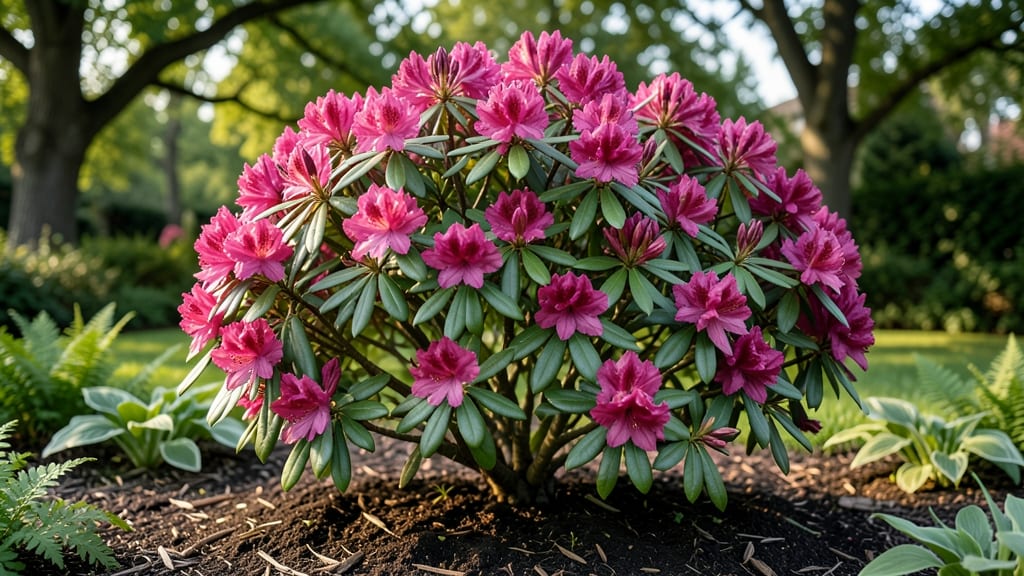
Double bloom azaleas turn my yard into a pink-and-purple cloud every spring—twice as many flowers as regular varieties, and they keep coming back. 🌸 The secret isn't magic; it's timing your pruning and feeding just right after the blooms fade.
Most gardeners overlook the post-bloom care that makes the difference between a single flush of flowers and nonstop blooms all season.
These showstoppers thrive in partial shade but still need 5-6 hours of morning sun to set buds. The soil must stay moist but well-draining—think "sponge-like," not soggy. I've learned the hard way that skipping the annual feeding after blooming (yes, even in winter) means fewer flowers next year.
A balanced 10-10-10 fertilizer in early spring and late summer keeps them producing those lush, double-layered blooms.
By pruning right after the last flower drops, you encourage new growth that will bloom again in 8-10 weeks. The result? A bush so packed with flowers it looks like a living bouquet. Plus, they're disease-resistant when cared for properly, so you skip the chemical treatments most azaleas need.
Works for both container and in-ground planting—just adjust watering frequency. Here's how to keep yours blooming year after year without the guesswork.
📚 In This Guide
- What you need
- Instructions
- Tips and common mistakes
- Wrapping up and next steps
What you need
- ● Double Bloom Azalea Plants: 1–3 mature plants (depending on desired coverage; dwarf varieties like ‘Girard’s Pink’ or ‘Southern Indica’ work well for small spaces)
- ○ Optional: Bare-root or potted plants (check for healthy, firm roots and buds)
- ● Pruning Tools: 1 pair of bypass pruners (sharp, clean, and sterilized with rubbing alcohol)
- ● 1 pair of hand pruners (for smaller branches)
- ● 1 loppers (for thicker stems, if needed)
- ● 1 pruning saw (for stubborn, woody growth)
- ● Fertilizer: 1 balanced, acid-loving fertilizer (e.g., 10-10-10 or 8-3-9 with micronutrients like iron and magnesium)
- ● 1 slow-release granular fertilizer (e.g., Osmocote or Azalea/Camellia blend)
- ● 1 organic option: Pine bark fines, peat moss, or composted pine needles
- ● Soil Amendments: 1 bag of acidic mulch (pine straw, pine bark, or cypress mulch)
- ● 1 soil acidifier (e.g., aluminum sulfate or sulfur granules, if soil pH is above 5.5)
- ● 1 moisture-retentive additive (e.g., coconut coir or perlite, for well-draining soil)
- ● Location: Partial shade (4–6 hours of sunlight daily; avoid harsh afternoon sun)
- ● Soil pH: 4.5–6.0 (test with a soil kit or send a sample to a local extension office)
- ● Water Access: Drip irrigation or a watering can (azaleas hate soggy roots but need consistent moisture)
- ● Timing: Pruning: Late winter (just before new growth) or early spring
- ● Fertilizing: Early spring (before blooms) and mid-summer (for fall blooms)
How to prune and feed azaleas for double blooms
Here's the foolproof method I use to keep my azaleas flowering twice a year—no fancy tools or guesswork.
✂️ Step 1: Prune After First Bloom Fades
Wait until your azalea has finished its first flush of blooms and the flowers start dropping naturally. This is your cue to prune—never cut back blooming flowers, or you'll sacrifice next year's buds. I look for the first batch of spent blooms to completely fade before reaching for my shears.
Remove 1/3 of the oldest stems at the base, cutting just above a leaf bud or outward-facing branch. These are the thickest, woody stems that no longer produce strong blooms. You'll notice they're often bare or have sparse foliage compared to newer growth. This opens up the center for air circulation and encourages new, vigorous stems to form.
💧 Step 2: Apply Acidic Fertilizer in Early Spring
Azaleas thrive on acidic soil, so I feed them with a balanced, slow-release fertilizer specifically formulated for acid-loving plants. Look for a 10-10-10 or 8-8-8 ratio with added iron and sulfur to maintain soil acidity. Apply this in early spring, just as new growth begins to appear.
Spread the fertilizer evenly around the root zone—about 6-12 inches from the trunk—and water deeply to help it penetrate the soil. Avoid getting fertilizer on the leaves, as this can burn the foliage. I like to use a hose with a gentle spray attachment to rinse any granules off the plant's surface after application.
☀️ Step 3: Provide Consistent Moisture and Morning Sun
Azaleas need morning sun and afternoon shade to prevent leaf scorch. I've found that 3-4 hours of direct sunlight is ideal for most varieties. Mulch around the base with 2-3 inches of pine bark or wood chips to retain moisture and gradually acidify the soil.
Water deeply once a week during dry spells, ensuring the soil stays consistently moist but not soggy. You'll know it's time to water when the top 1-2 inches of soil feel dry to the touch. Let the soil dry slightly between waterings—azaleas hate "wet feet" and can develop root rot if overwatered.
⏰ Step 4: Light Pruning Before Second Bloom Season
About 6-8 weeks before your last frost date, give your azalea a second light pruning to shape the plant and encourage a second round of blooms. Focus on removing any dead, crossing, or weak branches that might compete with new growth. I aim to keep the plant's natural shape while opening up the center for better air flow.
This is also when I check for any signs of pests like lace bugs or spider mites. A quick spray with horticultural oil or insecticidal soap can prevent an infestation before it starts. If you notice yellowing leaves or white webbing, act fast—these pests can defoliate an azalea in weeks if left unchecked.
🌱 Step 5: Feed Again After Second Bloom
Once your azalea has finished its second bloom of the year, it's time for a final feeding. Use a low-nitrogen, high-phosphorus fertilizer (like a 5-10-10) to encourage root development and store energy for next year's blooms. Apply this in late summer or early fall, just as the plant begins to prepare for dormancy.
After feeding, give the soil a thorough soaking to help the nutrients reach the roots. I often pair this with a layer of fresh mulch to protect the roots over winter. This two-step approach—feeding and mulching—sets your azalea up for a strong start in the spring and another season of double blooms.
Tips & tricks for perfect double bloom azaleas
Here's what nobody tells you about keeping your azaleas blooming twice a year without the guesswork.
Pruning Precision: When removing that 1/3 of oldest stems in Step 1, look for stems that are thicker than a pencil and have sparse foliage. These are the ones that no longer contribute to strong blooms. I always cut just above a leaf bud or outward-facing branch—this ensures new growth emerges in the right direction, keeping your azalea's natural shape while improving air circulation. The key is patience: wait until the first batch of blooms has completely faded before pruning, or you'll sacrifice next year's buds.
Fertilizer Application: For Step 2, I've learned the hard way that spreading fertilizer too close to the trunk can burn the roots. Always keep it 6-12 inches away from the base. After applying, I water deeply but gently—just enough to help the granules dissolve and penetrate the soil. A light rinse with a hose helps prevent any fertilizer from sticking to the leaves, which can cause unsightly brown spots. The goal is to feed the roots, not the foliage.
Sunlight Strategy: Those 3-4 hours of morning sun are critical for photosynthesis, but afternoon shade is equally important to prevent leaf scorch. I've found that positioning azaleas near a north-facing window or under the dappled shade of larger trees works perfectly. The mulch layer (2-3 inches of pine bark) not only retains moisture but also slowly releases acidity as it breaks down, which azaleas love. This gradual acidification is just as important as the fertilizer itself.
Pro Tips for Double Bloom Azaleas
- Here's what nobody tells you about keeping your azaleas blooming twice a year without the guesswork.
- Pruning Precision: When removing that 1/3 of oldest stems in Step 1, look for stems that are thicker than a pencil and have sparse foliage.
- Fertilizer Application: For Step 2, I've learned the hard way that spreading fertilizer too close to the trunk can burn the roots.
Frequently asked questions
Got questions about keeping your double bloom azaleas thriving? You’re not alone!
Here are answers to the most common queries—from pruning puzzles to feeding fiascos—so you can enjoy year-round color without the stress.
When should I prune double bloom azaleas for maximum blooms?
Prune right after the first spring bloom (late May to early June) to encourage a second flush. Avoid heavy pruning in fall—it can stress the plant and reduce next year’s blooms. Pro tip: Use clean, sharp shears and never cut into old wood (it won’t rebloom).
How often do double bloom azaleas need to be fertilized?
Feed every 6–8 weeks during the growing season (spring through early fall) with an acid-loving fertilizer (like 8-3-9 or 10-10-10). Skip winter feeding—they’re dormant! Warning: Over-fertilizing can cause leaf burn or fewer blooms. Test soil pH (aim for 4.5–6.0) before applying.
Can I grow double bloom azaleas in containers?
Just use a large pot (15+ gallons) with drainage holes and acidic potting mix. Repot every 2–3 years to refresh nutrients. Container hack: Add pine bark fines or peat moss to mimic their natural acidic soil. Place in morning sun to avoid heat stress.
Why aren’t my double bloom azaleas reblooming?
Common culprits:
- Poor pruning timing (pruned too late or too aggressively).
- Lack of sunlight (they need 4–6 hours of sun daily).
- Overcrowded roots (mulch properly but avoid suffocating the base).
- Incorrect fertilizer (use acid-loving formula, not general-purpose).
What’s a good alternative if double bloom azaleas are hard to grow?
Try Knaphill hybrids (like ‘Girard’s Pink’) or Enkianthus (dogwood relatives) for reliable reblooming with less fuss. For low-maintenance color, consider camellias (they bloom in winter/early spring) or hydrangeas (some varieties rebloom too!). Bonus: All thrive in acidic soil!
Wrapping up and next steps
Double bloom azaleas are a gardener’s dream—vibrant, repeat-flowering stars that reward patience with stunning color year after year! 🌸 By mastering a simple pruning and feeding schedule, you’ll unlock their full potential, ensuring lush foliage and back-to-back blooms.
Remember: consistency is key, but so is joy—watch your garden transform into a seasonal masterpiece!
Ready to take the next step? Start small:
- 📅 Mark your calendar for spring and fall pruning sessions—your azaleas will thank you!
- 🌱 Test your soil to fine-tune feeding (or grab a soil kit from your local nursery).
- 📸 Snap progress photos—track blooms, foliage, and growth to celebrate your wins!
Now grab those shears and get growing—your azaleas are waiting for their star treatment! 🌿✨