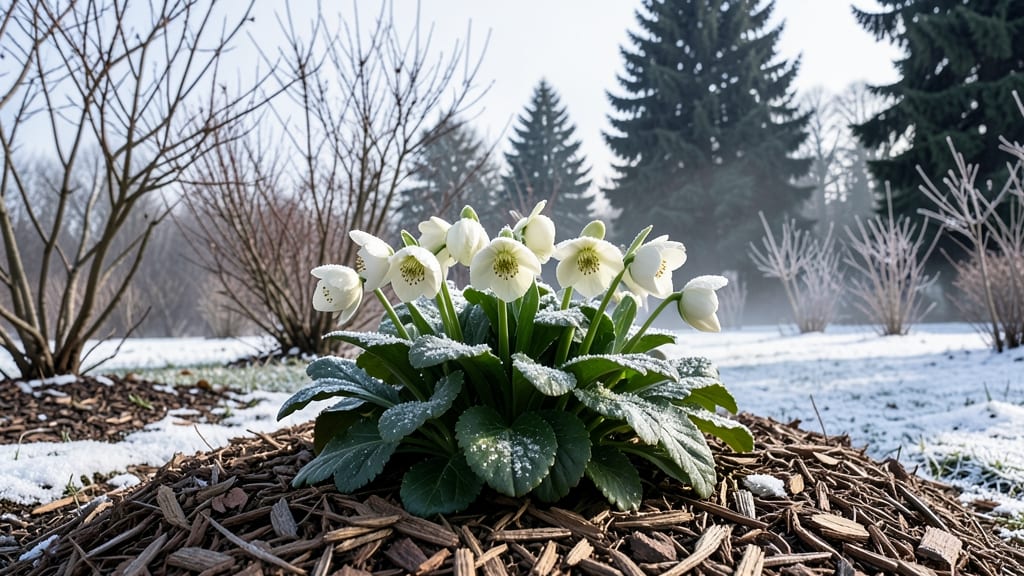
Winter-blooming flowers outside can transform your garden into a frost-resistant oasis when most plants take a break. 🌱
Picture this: crisp air, a dusting of snow, and yet—color. Some flowers not only survive winter but thrive, defying the cold with delicate blooms that brighten even the darkest days.
Whether you're in a snowy Zone 5 or a milder Zone 7, these hardy varieties prove that winter gardens aren’t just possible—they’re stunning.
But how do you pick the right flowers? And what’s the secret to keeping them healthy when temperatures drop? Below, I’ll share my top 10 cold-hardy picks, from hellebores that bloom in early winter to pansies that laugh at frost.
You’ll also learn the planting tricks that keep them blooming year after year—no greenhouse required.
Ready to ditch the winter garden blues? Let’s turn your yard into a winter wonderland with flowers that refuse to quit.
Top 10 cold-hardy flowers that bloom in winter outside
Winter gardening isn’t just about bare branches—some flowers thrive in frost and bloom when most plants sleep. These cold-hardy varieties bring color and life to your garden even in freezing temperatures.
Whether you're in USDA Zone 4 or warmer, these plants prove that winter gardens can be just as vibrant as summer ones.
From delicate snowdrops to bold helleborus, these flowers have adapted to survive sub-freezing temps while still delivering stunning blooms. Their secret? Thick foliage, deep root systems, and natural frost resistance. Let’s explore the top 10 winter-blooming flowers that will keep your garden alive with color all season long.
| Flower Name |
Bloom Time |
Hardiness Zones |
Light Needs |
Care Tips |
| Hellebores |
Late winter to early spring |
4-9 |
Partial shade to full sun |
Drought-tolerant; mulch in winter |
| Snowdrops |
January to March |
3-9 |
Partial shade |
Plant in fall; naturalize easily |
| Winter Aconite |
Late winter |
4-8 |
Full sun to partial shade |
Deadhead spent blooms; spreads quickly |
| Pansies |
Fall to spring |
5-10 |
Full sun to partial shade |
Pinch back for bushier growth |
| Cyclamen |
Fall to winter |
5-9 |
Partial shade |
Keep soil moist; avoid overhead watering |
| Winter Jasmine |
Late winter |
6-9 |
Full sun |
Prune after flowering; fast-growing vine |
| Christmas Rose |
Winter to early spring |
4-8 |
Partial shade |
Plant in fall; mulch heavily |
| Violas |
Fall to spring |
5-10 |
Partial shade |
Edible flowers; great for containers |
| Winter Crocus |
Late winter |
3-9 |
Full sun to partial shade |
Plant bulbs in fall; naturalize easily |
Daffodils
How to create a stunning winter flower garden: planting and care tips
A winter flower garden thrives on the right plant selection and care strategies. The key is choosing cold-hardy varieties like hellebores and winter jasmine that bloom in frost. These plants not only survive but thrive in chilly conditions, offering vibrant color when most gardens fade away.
Start by assessing your sunlight exposure and soil conditions. Most winter-blooming flowers prefer partial shade to full sun, with well-draining soil to prevent root rot. Amend heavy clay soil with compost or organic matter to improve drainage and fertility before planting.
🌱 Essential Steps for a Thriving Winter Garden
- 🌿 1. Choose frost-resistant flowers like hellebores, pansies, and winter aconite for year-round color.
- ☀️ 2. Plant in well-draining soil with partial shade to protect from harsh winds.
- 🪴 3. Mulch heavily (3-4 inches) with straw or leaves to insulate roots.
- 💧 4. Water sparingly—only when soil feels dry to prevent frost heave.
- ✂️ 5. Prune dead blooms in early spring to encourage new growth.
When planting, space flowers 12-18 inches apart to allow airflow and reduce disease risk. Group plants with similar water needs together for easier maintenance. For example, pansies and cyclamen prefer consistent moisture, while snowdrops tolerate drier conditions.
Mulching is critical in winter—apply a 3-4 inch layer of organic mulch like straw or shredded leaves after the first frost. This protects roots from temperature fluctuations and conserves soil moisture. Avoid synthetic mulches, which can suffocate plant roots.
Monitor your garden weekly for signs of frost damage, such as browned leaves or wilting stems. If a hard freeze is forecasted, cover delicate blooms with frost cloth or lightweight row covers. Remove covers during the day to prevent overheating and fungus growth.
Fertilize lightly in early spring with a balanced, slow-release fertilizer (10-10-10) to support new growth. Avoid heavy applications in fall, as they can encourage tender new shoots vulnerable to frost. Instead, focus on soil health with compost or aged manure.
With these steps, your winter garden will burst with color and life even when snow blankets the ground. The secret lies in preparation and patience—choose the right plants, protect them from harsh conditions, and enjoy the rewards of a year-round blooming oasis. 🌷
★★★★★4.6(12 reviews)
|